
About This Book
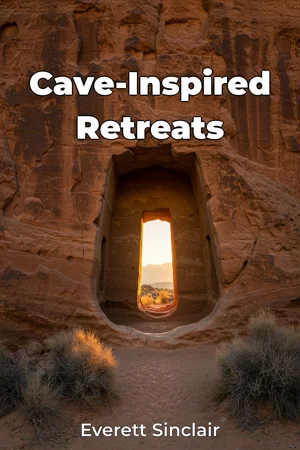
Have you ever considered the ingenuity of ancient dwellings, structures designed not just for shelter, but for natural climate control? "Cave-Inspired Retreats" delves into the fascinating world of cave-like homes, exploring their architectural and environmental advantages, and their enduring appeal across cultures and time. This book will illuminate the principles behind these subterranean and earth-sheltered structures, offering insights into how we can learn from the past to create more sustainable and comfortable living spaces in the future. The primary focus of this book is twofold: firstly, to analyze the naturally stable climates found within cave-like dwellings and, secondly, to examine the cultural contexts that have historically favored this type of architecture. We will explore the physics behind geothermal properties and thermal mass, explaining how these elements contribute to consistent temperatures year-round, reducing the need for energy-intensive heating and cooling systems. Simultaneously, we will investigate anthropological data, examining the social, economic, and symbolic reasons why various societies, from ancient cave dwellers to modern architects, have embraced subterranean living. Understanding the book requires only a basic appreciation for architectural design and environmental science. We will provide accessible explanations of key concepts, bridging the gap between technical knowledge and general interest. The central argument of "Cave-Inspired Retreats" is that cave-inspired architecture offers a viable and aesthetically pleasing solution to many of the environmental challenges we face today. By studying the design principles and cultural adaptations of these dwellings, we can develop innovative strategies for creating more sustainable and resilient homes. The book is structured to provide a comprehensive understanding of cave-like architecture. It begins with an introduction to the main concepts – geothermal principles, thermal mass, and cultural adaptation. The following sections delve into specific examples of cave dwellings around the world, analyzing their design features and environmental performance. We will examine historical precedents, like the cave dwellings of Cappadocia, Turkey, and the troglodyte villages of Loire Valley, France, alongside contemporary interpretations. We will also consider the significance of underground spaces in Indigenous cultures, drawing from anthropological records. The book will present evidence from a range of sources, including architectural studies, climate data, energy consumption analyses, and anthropological fieldwork. It will incorporate comparative case studies, evaluating the effectiveness of different design strategies in various climates. The methodologies used will include thermal modeling, architectural analysis, and ethnographic research, providing a multi-faceted perspective on the subject. "Cave-Inspired Retreats" connects to a variety of other fields, including earth sciences geography (examining the geological factors that influence cave formation and habitability), general architecture (analyzing the aesthetic and structural principles of cave-like design), and sustainable design (evaluating the environmental benefits of earth-sheltered construction). These interdisciplinary connections enhance the book's argument by providing a holistic understanding of cave-inspired architecture. This book differentiates itself through its comprehensive approach, combining architectural analysis, environmental science, and anthropological insights to offer a unique perspective on cave-like dwellings. The tone is informative yet accessible, designed to engage a broad audience and foster a deeper appreciation for sustainable architectural practices. The target audience includes architects, designers, environmental scientists, and anyone interested in sustainable living and innovative architecture. The book is valuable to those seeking to understand the design principles, environmental benefits, and cultural significance of cave-inspired architecture. As a work of non-fiction, "Cave-Inspired Retreats" adheres to the standards of accuracy, objectivity, and thorough research. The scope of the book is limited to cave-like dwellings and their related design principles, with a focus on practical applications and real-world examples. The information presented in "Cave-Inspired Retreats" can be applied practically by readers interested in building or renovating homes, designing sustainable structures, or simply gaining a deeper understanding of environmentally conscious architecture. By understanding the principles of geothermal heating and cooling, readers can make informed decisions about their own homes and contribute to a more sustainable future. The book addresses the ongoing debate surrounding the relationship between architecture, environment, and culture, offering a perspective rooted in both scientific analysis and historical context.
Have you ever considered the ingenuity of ancient dwellings, structures designed not just for shelter, but for natural climate control? "Cave-Inspired Retreats" delves into the fascinating world of cave-like homes, exploring their architectural and environmental advantages, and their enduring appeal across cultures and time. This book will illuminate the principles behind these subterranean and earth-sheltered structures, offering insights into how we can learn from the past to create more sustainable and comfortable living spaces in the future. The primary focus of this book is twofold: firstly, to analyze the naturally stable climates found within cave-like dwellings and, secondly, to examine the cultural contexts that have historically favored this type of architecture. We will explore the physics behind geothermal properties and thermal mass, explaining how these elements contribute to consistent temperatures year-round, reducing the need for energy-intensive heating and cooling systems. Simultaneously, we will investigate anthropological data, examining the social, economic, and symbolic reasons why various societies, from ancient cave dwellers to modern architects, have embraced subterranean living. Understanding the book requires only a basic appreciation for architectural design and environmental science. We will provide accessible explanations of key concepts, bridging the gap between technical knowledge and general interest. The central argument of "Cave-Inspired Retreats" is that cave-inspired architecture offers a viable and aesthetically pleasing solution to many of the environmental challenges we face today. By studying the design principles and cultural adaptations of these dwellings, we can develop innovative strategies for creating more sustainable and resilient homes. The book is structured to provide a comprehensive understanding of cave-like architecture. It begins with an introduction to the main concepts – geothermal principles, thermal mass, and cultural adaptation. The following sections delve into specific examples of cave dwellings around the world, analyzing their design features and environmental performance. We will examine historical precedents, like the cave dwellings of Cappadocia, Turkey, and the troglodyte villages of Loire Valley, France, alongside contemporary interpretations. We will also consider the significance of underground spaces in Indigenous cultures, drawing from anthropological records. The book will present evidence from a range of sources, including architectural studies, climate data, energy consumption analyses, and anthropological fieldwork. It will incorporate comparative case studies, evaluating the effectiveness of different design strategies in various climates. The methodologies used will include thermal modeling, architectural analysis, and ethnographic research, providing a multi-faceted perspective on the subject. "Cave-Inspired Retreats" connects to a variety of other fields, including earth sciences geography (examining the geological factors that influence cave formation and habitability), general architecture (analyzing the aesthetic and structural principles of cave-like design), and sustainable design (evaluating the environmental benefits of earth-sheltered construction). These interdisciplinary connections enhance the book's argument by providing a holistic understanding of cave-inspired architecture. This book differentiates itself through its comprehensive approach, combining architectural analysis, environmental science, and anthropological insights to offer a unique perspective on cave-like dwellings. The tone is informative yet accessible, designed to engage a broad audience and foster a deeper appreciation for sustainable architectural practices. The target audience includes architects, designers, environmental scientists, and anyone interested in sustainable living and innovative architecture. The book is valuable to those seeking to understand the design principles, environmental benefits, and cultural significance of cave-inspired architecture. As a work of non-fiction, "Cave-Inspired Retreats" adheres to the standards of accuracy, objectivity, and thorough research. The scope of the book is limited to cave-like dwellings and their related design principles, with a focus on practical applications and real-world examples. The information presented in "Cave-Inspired Retreats" can be applied practically by readers interested in building or renovating homes, designing sustainable structures, or simply gaining a deeper understanding of environmentally conscious architecture. By understanding the principles of geothermal heating and cooling, readers can make informed decisions about their own homes and contribute to a more sustainable future. The book addresses the ongoing debate surrounding the relationship between architecture, environment, and culture, offering a perspective rooted in both scientific analysis and historical context.
"Cave-Inspired Retreats" explores the fascinating world of cave-inspired architecture, focusing on its sustainable design principles and cultural significance. The book examines how these earth-sheltered homes harness geothermal properties and thermal mass to maintain consistent temperatures, reducing reliance on energy-intensive systems. It highlights the ingenious ways ancient dwellings were designed for natural climate control, offering valuable lessons for contemporary sustainable living. The book delves into examples from around the globe, such as the cave dwellings of Cappadocia and the troglodyte villages of the Loire Valley, alongside modern interpretations. It analyzes architectural design and environmental performance, drawing from architectural studies, climate data, and anthropological fieldwork. Readers will gain insights into how cultural adaptation and indigenous architecture have shaped underground spaces. Structured to provide a comprehensive understanding, the book begins with key concepts and progresses through specific case studies. By combining architectural analysis, environmental science, and anthropological insights, "Cave-Inspired Retreats" offers a unique perspective on creating more sustainable and resilient homes. It demonstrates how learning from the past can inform innovative strategies for environmental design and sustainable architecture.
Book Details
ISBN
9788235213228
Publisher
Publifye AS
Your Licenses
You don't own any licenses for this book
Purchase a license below to unlock this book and download the EPUB.
Purchase License
Select a tier to unlock this book
Need bulk licensing?
Contact us for enterprise agreements.