
About This Book
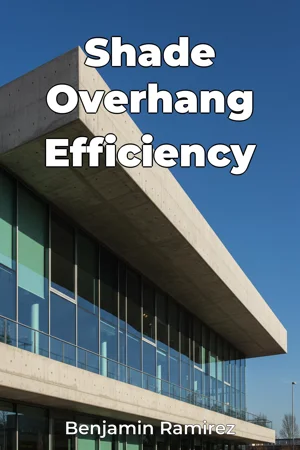
Can a simple architectural element significantly reduce energy consumption and enhance building comfort? "Shade Overhang Efficiency" delves into the pivotal role of overhangs in mitigating solar heat gain, ultimately cutting cooling costs and creating more sustainable and comfortable buildings. This book examines the design, implementation, and impact of overhangs as effective shading devices. The central argument of this book is that strategically designed overhangs are a critical component of passive solar design, offering a cost-effective and environmentally sound method for controlling solar heat gain in buildings. This argument's importance lies in its potential to inform architectural practices, reduce reliance on energy-intensive cooling systems, and promote sustainable building design principles suitable for diverse climates and building types. "Shade Overhang Efficiency" meticulously explores the principles underpinning effective overhang design, beginning with an introduction to solar geometry and its effect on building energy performance. It provides a necessary base understanding of how the sun's position at different times of the year influences heat gain. The book examines the material science involved and the effects of different materials on the efficiency of overhangs, as well as the structural engineering principles that ensure stability and durability. The book is structured to guide the reader from theory to practical application. Firstly, it explores fundamental concepts of solar radiation, heat transfer, and the impact of solar gain on building energy loads. This section provides accessible explanations of complex phenomena, supported by visual aids and diagrams. Secondly, it examines the design considerations for overhangs, including factors such as latitude, orientation, overhang depth, and building materials. Through detailed case studies and simulations, it demonstrates how to optimize overhang design for different climate zones and building types. Different overhang types are considered, including horizontal, vertical, and angled designs. Thirdly, the book explores the practical implementation of overhangs, including construction techniques, cost analysis, and maintenance considerations. It addresses the challenges and opportunities associated with integrating overhangs into both new construction and retrofitting existing buildings. The book's culmination focuses on real-world applications and implications, showcasing successful examples of buildings that have effectively utilized overhangs to achieve significant energy savings and enhanced occupant comfort. The evidence presented in "Shade Overhang Efficiency" is derived from a combination of sources, including architectural reports, energy modeling simulations, and case studies of existing buildings. It will reference data from reputable building science organizations and government agencies, providing a robust scientific foundation for its arguments. This book connects to several interdisciplinary fields. It draws from the field of sustainable design by promoting energy-efficient building strategies. It relates to environmental science by addressing the environmental impact of buildings and promoting strategies for reducing carbon emissions. It also connects to economics by showcasing the cost-effectiveness of overhangs as a passive solar design element. "Shade Overhang Efficiency" offers a practical guide suitable for architects, engineers, building designers, and anyone interested in sustainable building practices. The book avoids jargon where possible and focuses on clear explanations and actionable insights. The scope of "Shade Overhang Efficiency" includes a comprehensive examination of overhangs as shading devices but intentionally excludes detailed analysis of other passive solar strategies, such as window glazing or natural ventilation. The information in this book can be applied to several real-world applications. Architects can use the design guidelines and case studies to inform their building designs. Building owners and managers can use the information to assess the feasibility of retrofitting existing buildings with overhangs. Policy-makers can use the findings to develop building codes and incentives that promote sustainable building practices. The book addresses the debate surrounding the initial investment costs of overhangs versus the long-term energy savings, providing a balanced perspective on the economic viability of this design element. Ultimately, this book supplies the knowledge and tools necessary to implement overhangs effectively, contributing to a more sustainable and energy-efficient built environment.
Can a simple architectural element significantly reduce energy consumption and enhance building comfort? "Shade Overhang Efficiency" delves into the pivotal role of overhangs in mitigating solar heat gain, ultimately cutting cooling costs and creating more sustainable and comfortable buildings. This book examines the design, implementation, and impact of overhangs as effective shading devices. The central argument of this book is that strategically designed overhangs are a critical component of passive solar design, offering a cost-effective and environmentally sound method for controlling solar heat gain in buildings. This argument's importance lies in its potential to inform architectural practices, reduce reliance on energy-intensive cooling systems, and promote sustainable building design principles suitable for diverse climates and building types. "Shade Overhang Efficiency" meticulously explores the principles underpinning effective overhang design, beginning with an introduction to solar geometry and its effect on building energy performance. It provides a necessary base understanding of how the sun's position at different times of the year influences heat gain. The book examines the material science involved and the effects of different materials on the efficiency of overhangs, as well as the structural engineering principles that ensure stability and durability. The book is structured to guide the reader from theory to practical application. Firstly, it explores fundamental concepts of solar radiation, heat transfer, and the impact of solar gain on building energy loads. This section provides accessible explanations of complex phenomena, supported by visual aids and diagrams. Secondly, it examines the design considerations for overhangs, including factors such as latitude, orientation, overhang depth, and building materials. Through detailed case studies and simulations, it demonstrates how to optimize overhang design for different climate zones and building types. Different overhang types are considered, including horizontal, vertical, and angled designs. Thirdly, the book explores the practical implementation of overhangs, including construction techniques, cost analysis, and maintenance considerations. It addresses the challenges and opportunities associated with integrating overhangs into both new construction and retrofitting existing buildings. The book's culmination focuses on real-world applications and implications, showcasing successful examples of buildings that have effectively utilized overhangs to achieve significant energy savings and enhanced occupant comfort. The evidence presented in "Shade Overhang Efficiency" is derived from a combination of sources, including architectural reports, energy modeling simulations, and case studies of existing buildings. It will reference data from reputable building science organizations and government agencies, providing a robust scientific foundation for its arguments. This book connects to several interdisciplinary fields. It draws from the field of sustainable design by promoting energy-efficient building strategies. It relates to environmental science by addressing the environmental impact of buildings and promoting strategies for reducing carbon emissions. It also connects to economics by showcasing the cost-effectiveness of overhangs as a passive solar design element. "Shade Overhang Efficiency" offers a practical guide suitable for architects, engineers, building designers, and anyone interested in sustainable building practices. The book avoids jargon where possible and focuses on clear explanations and actionable insights. The scope of "Shade Overhang Efficiency" includes a comprehensive examination of overhangs as shading devices but intentionally excludes detailed analysis of other passive solar strategies, such as window glazing or natural ventilation. The information in this book can be applied to several real-world applications. Architects can use the design guidelines and case studies to inform their building designs. Building owners and managers can use the information to assess the feasibility of retrofitting existing buildings with overhangs. Policy-makers can use the findings to develop building codes and incentives that promote sustainable building practices. The book addresses the debate surrounding the initial investment costs of overhangs versus the long-term energy savings, providing a balanced perspective on the economic viability of this design element. Ultimately, this book supplies the knowledge and tools necessary to implement overhangs effectively, contributing to a more sustainable and energy-efficient built environment.
"Shade Overhang Efficiency" explores the crucial role of overhangs in sustainable building design, focusing on their ability to reduce solar heat gain and improve building comfort. The book emphasizes that strategically designed overhangs are not just aesthetic features but essential components of passive solar design, offering a cost-effective way to lower cooling costs. It delves into solar geometry, explaining how the sun's position affects building energy performance, and examines the impact of different building materials on overhang efficiency. The book progresses from theory to practical application, starting with fundamental concepts of solar radiation and heat transfer. It then examines design considerations like latitude, orientation, and overhang depth, using case studies and simulations to demonstrate optimization for various climates. Readers will discover how different overhang types, such as horizontal, vertical, and angled designs, can be implemented. The book concludes with real-world examples of buildings successfully using overhangs for significant energy savings, making it a valuable resource for architects, engineers, and anyone interested in sustainable building practices.
Book Details
ISBN
9788235213204
Publisher
Publifye AS
Your Licenses
You don't own any licenses for this book
Purchase a license below to unlock this book and download the EPUB.
Purchase License
Select a tier to unlock this book
Need bulk licensing?
Contact us for enterprise agreements.