
About This Book
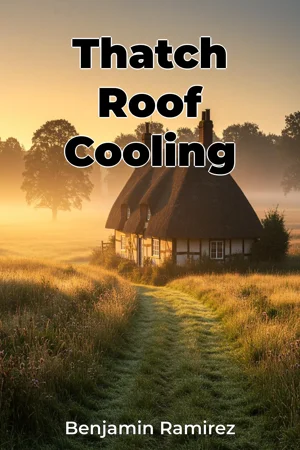
Can a building material used for millennia offer a solution to contemporary heat mitigation challenges? "Thatch Roof Cooling" explores the underappreciated potential of thatch roofs as a sustainable and effective method for reducing heat gain in buildings, drawing primarily from examples in rural architecture. This book examines the material properties of thatch, historical applications, and modern adaptations to demonstrate its value in both traditional and contemporary building design. Central to the book's thesis is the argument that thatch, often relegated to historical or niche applications, presents a viable, eco-friendly alternative to energy-intensive cooling systems. It addresses two key topics: the thermal performance of thatch roofs under varying climatic conditions and the integration of thatch into sustainable building practices. The significance of these topics lies in the growing need for passive cooling solutions that minimize environmental impact and reduce reliance on fossil fuels. Throughout history, rural communities worldwide have utilized thatch for its insulative properties, creating comfortable indoor environments without mechanical cooling. The book begins by establishing this historical context, examining different types of thatching materials and techniques employed across diverse cultures. It provides a foundation for understanding the inherent advantages of thatch, such as its low thermal conductivity and high thermal mass. "Thatch Roof Cooling" is structured to systematically build its argument. The first section introduces the fundamental principles of heat transfer and the specific properties of thatch that influence its thermal performance. This is followed by a detailed analysis of case studies, examining traditional thatched structures and their performance in various climates. A major section delves into the science behind thatch's insulative capabilities, presenting data from thermal imaging, heat flux measurements, and comparative studies. A subsequent section explores modern adaptations, showcasing innovative uses of thatch in contemporary architectural designs and addressing concerns regarding fire resistance and durability. The book culminates in a discussion of the practical implications of widespread thatch adoption, including potential benefits for energy conservation, carbon footprint reduction, and rural economic development. The research presented relies on a combination of historical archives, scientific studies, and field observations. Data from agricultural studies, building science reports, and material science databases will be used to support claims regarding thatch's thermal properties. Additionally, the book incorporates firsthand accounts from thatchers and building professionals, providing practical insights into the challenges and rewards of working with this natural material. The book connects to several interdisciplinary fields, including material science, sustainable agriculture, and environmental economics. By examining the material properties of thatch, the book contributes to the field of material science, which seeks to understand and optimize the performance of building materials. Its exploration of sustainable sourcing and agricultural practices connects it to sustainable agriculture, advocating for responsible land management and resource utilization. Finally, by assessing the economic benefits of energy savings and reduced carbon emissions, the book engages with environmental economics, demonstrating the financial viability of sustainable building practices. "Thatch Roof Cooling" offers a unique perspective by reframing a traditional building material as a modern solution. It challenges the conventional view of thatch as merely a relic of the past, showcasing its potential to contribute to a more sustainable future. The tone is informative and analytical, presenting data and insights in a clear and accessible manner while maintaining scientific rigor. The target audience includes architects, builders, sustainability consultants, and anyone interested in eco-friendly building practices. It offers valuable insights for individuals seeking practical solutions for reducing energy consumption and creating more comfortable and environmentally responsible buildings. The scope of the book is primarily focused on the thermal performance of thatch roofs, with secondary considerations given to structural integrity and fire resistance. While it acknowledges the aesthetic qualities of thatch, the primary focus is on its functional benefits. The information presented in "Thatch Roof Cooling" can be practically applied by architects and builders seeking to incorporate sustainable materials into their designs. It provides the necessary data and insights to make informed decisions about the use of thatch, addressing common concerns and highlighting its potential benefits. It is an argument towards sustainability using methods from the past, that can be employed in the present and future.
Can a building material used for millennia offer a solution to contemporary heat mitigation challenges? "Thatch Roof Cooling" explores the underappreciated potential of thatch roofs as a sustainable and effective method for reducing heat gain in buildings, drawing primarily from examples in rural architecture. This book examines the material properties of thatch, historical applications, and modern adaptations to demonstrate its value in both traditional and contemporary building design. Central to the book's thesis is the argument that thatch, often relegated to historical or niche applications, presents a viable, eco-friendly alternative to energy-intensive cooling systems. It addresses two key topics: the thermal performance of thatch roofs under varying climatic conditions and the integration of thatch into sustainable building practices. The significance of these topics lies in the growing need for passive cooling solutions that minimize environmental impact and reduce reliance on fossil fuels. Throughout history, rural communities worldwide have utilized thatch for its insulative properties, creating comfortable indoor environments without mechanical cooling. The book begins by establishing this historical context, examining different types of thatching materials and techniques employed across diverse cultures. It provides a foundation for understanding the inherent advantages of thatch, such as its low thermal conductivity and high thermal mass. "Thatch Roof Cooling" is structured to systematically build its argument. The first section introduces the fundamental principles of heat transfer and the specific properties of thatch that influence its thermal performance. This is followed by a detailed analysis of case studies, examining traditional thatched structures and their performance in various climates. A major section delves into the science behind thatch's insulative capabilities, presenting data from thermal imaging, heat flux measurements, and comparative studies. A subsequent section explores modern adaptations, showcasing innovative uses of thatch in contemporary architectural designs and addressing concerns regarding fire resistance and durability. The book culminates in a discussion of the practical implications of widespread thatch adoption, including potential benefits for energy conservation, carbon footprint reduction, and rural economic development. The research presented relies on a combination of historical archives, scientific studies, and field observations. Data from agricultural studies, building science reports, and material science databases will be used to support claims regarding thatch's thermal properties. Additionally, the book incorporates firsthand accounts from thatchers and building professionals, providing practical insights into the challenges and rewards of working with this natural material. The book connects to several interdisciplinary fields, including material science, sustainable agriculture, and environmental economics. By examining the material properties of thatch, the book contributes to the field of material science, which seeks to understand and optimize the performance of building materials. Its exploration of sustainable sourcing and agricultural practices connects it to sustainable agriculture, advocating for responsible land management and resource utilization. Finally, by assessing the economic benefits of energy savings and reduced carbon emissions, the book engages with environmental economics, demonstrating the financial viability of sustainable building practices. "Thatch Roof Cooling" offers a unique perspective by reframing a traditional building material as a modern solution. It challenges the conventional view of thatch as merely a relic of the past, showcasing its potential to contribute to a more sustainable future. The tone is informative and analytical, presenting data and insights in a clear and accessible manner while maintaining scientific rigor. The target audience includes architects, builders, sustainability consultants, and anyone interested in eco-friendly building practices. It offers valuable insights for individuals seeking practical solutions for reducing energy consumption and creating more comfortable and environmentally responsible buildings. The scope of the book is primarily focused on the thermal performance of thatch roofs, with secondary considerations given to structural integrity and fire resistance. While it acknowledges the aesthetic qualities of thatch, the primary focus is on its functional benefits. The information presented in "Thatch Roof Cooling" can be practically applied by architects and builders seeking to incorporate sustainable materials into their designs. It provides the necessary data and insights to make informed decisions about the use of thatch, addressing common concerns and highlighting its potential benefits. It is an argument towards sustainability using methods from the past, that can be employed in the present and future.
"Thatch Roof Cooling" examines the viability of thatch roofs as a sustainable, eco-friendly alternative for heat mitigation in building design. The book challenges the perception of thatch as merely a traditional material, instead positioning it as a practical solution for contemporary energy conservation. It explores the thermal performance of thatch, noting its low thermal conductivity and high thermal mass, which historically provided comfortable indoor environments without reliance on mechanical cooling. The book systematically builds its argument by first introducing the fundamentals of heat transfer and the properties of thatch. It progresses through case studies of traditional structures, delves into the science behind thatch's insulative capabilities using thermal imaging and heat flux measurements, and explores modern adaptations addressing fire resistance and durability. It highlights the potential benefits of widespread thatch adoption, including reduced carbon footprint and rural economic development, framing thatch as a sustainable material relevant to architectural design and passive cooling.
Book Details
ISBN
9788235213198
Publisher
Publifye AS
Your Licenses
You don't own any licenses for this book
Purchase a license below to unlock this book and download the EPUB.
Purchase License
Select a tier to unlock this book
Need bulk licensing?
Contact us for enterprise agreements.