
About This Book
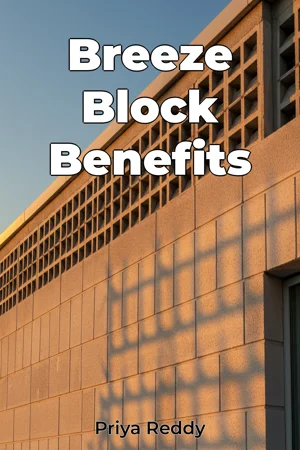
Can a humble building material significantly contribute to mitigating the escalating challenges of urban heat islands and promoting sustainable urban development? "Breeze Block Benefits" argues affirmatively, presenting a comprehensive exploration of the potential of ventilated blocks, commonly known as breeze blocks, as a passive cooling strategy in urban environments. This book addresses urgent concerns related to rising urban temperatures, energy consumption for cooling, and the need for environmentally conscious architectural solutions. The book's core lies in three key areas: first, the thermal performance characteristics of various breeze block designs; second, the integration of these blocks into diverse architectural contexts; and third, the broader implications for urban planning and sustainability. The significance of these topics stems from the increasing recognition that conventional air conditioning, while providing immediate relief from heat, exacerbates energy demands and contributes to greenhouse gas emissions. Breeze blocks offer a compelling alternative by facilitating natural ventilation and shading, thereby reducing reliance on mechanical cooling systems. To fully appreciate the potential of breeze blocks, the book provides a historical overview of their use in architecture, tracing their evolution from mid-century modernism to contemporary sustainable design. It also delves into the basic principles of thermodynamics and building physics necessary to understand how these blocks function in different climates and orientations. Readers will gain a foundational understanding of heat transfer mechanisms and airflow dynamics. The central argument of "Breeze Block Benefits" is that the strategic implementation of breeze blocks can substantially lower urban temperatures, decrease energy consumption associated with cooling buildings, and enhance the overall livability of cities. This argument is crucial because it challenges conventional approaches to urban cooling that heavily rely on energy-intensive technologies and promotes a more holistic, passive design strategy. The book is structured as follows: Part one introduces the concept of urban heat islands and the environmental impact of conventional cooling methods. It then presents a comprehensive overview of breeze block designs, materials, and manufacturing processes. Part two explores the thermal performance of breeze blocks, presenting data from simulations and case studies to demonstrate their effectiveness in different climates. This section includes analyses of airflow patterns, shading coefficients, and heat transfer rates for various block configurations. Part three delves into architectural applications, showcasing examples of buildings that successfully integrate breeze blocks into facades, screens, and other structural elements. This section also provides practical guidelines for architects and designers on how to select and implement breeze blocks effectively. The book culminates with a discussion of the broader implications for urban planning, including strategies for incorporating breeze blocks into urban renewal projects and new developments. The practical applications are emphasized through design guidelines and case study analyses that demonstrate real-world performance. The evidence presented in this book draws from a combination of sources, including computational fluid dynamics (CFD) simulations, field measurements of temperature and airflow in buildings with breeze blocks, and case studies of successful implementations in diverse urban environments. The methodologies employed include thermal modeling, data analysis, and comparative assessments of different block designs. "Breeze Block Benefits" connects to several other fields, including environmental science, urban planning, and materials engineering. The connection to environmental science underscores the book's focus on sustainability and reducing the environmental impact of buildings. The connection to urban planning highlights the importance of integrating passive cooling strategies into broader urban design initiatives. The link to materials engineering emphasizes the role of innovation in developing new and more effective breeze block designs. These connections enhance the book's argument by demonstrating the interdisciplinary nature of sustainable urban development. The innovative aspect of this book lies in its comprehensive and data-driven approach to evaluating the potential of breeze blocks. It moves beyond anecdotal evidence and provides a rigorous analysis of their thermal performance, architectural integration, and urban planning implications. The tone of the book is informative and accessible, balancing technical details with practical guidance. The writing style aims to engage a broad audience, from architects and engineers to urban planners and environmentally conscious homeowners. The target audience includes architects, landscape architects, urban planners, building engineers, construction professionals, policymakers, and anyone interested in sustainable building practices and urban cooling strategies. It will be valuable to them as it offers a practical and evidence-based guide to incorporating breeze blocks into their projects and policies. As an architecture book, it meets the genre's expectation of providing design solutions, technical analyses, and case studies. It also aligns with the conventions of environmental literature by emphasizing sustainability and the reduction of environmental impact. The scope of the book is limited to the use of breeze blocks as a passive cooling strategy in urban environments. While it touches on other aspects of sustainable building design, its primary focus remains on the thermal performance and architectural applications of these blocks. The information in this book can be applied practically by readers who are designing new buildings, renovating existing structures, or developing urban planning policies. Architects can use the design guidelines to select and implement breeze blocks effectively. Urban planners can incorporate these blocks into urban renewal projects and new developments to mitigate urban heat islands. Homeowners can use them to reduce their energy consumption and improve the comfort of their homes. While breeze blocks offer a promising solution for urban cooling, there are ongoing debates about their aesthetic appeal, structural integrity, and cost-effectiveness. The book addresses these concerns by presenting a balanced assessment of the benefits and limitations of breeze blocks, including discussions of material durability, installation techniques, and life-cycle costs.
Can a humble building material significantly contribute to mitigating the escalating challenges of urban heat islands and promoting sustainable urban development? "Breeze Block Benefits" argues affirmatively, presenting a comprehensive exploration of the potential of ventilated blocks, commonly known as breeze blocks, as a passive cooling strategy in urban environments. This book addresses urgent concerns related to rising urban temperatures, energy consumption for cooling, and the need for environmentally conscious architectural solutions. The book's core lies in three key areas: first, the thermal performance characteristics of various breeze block designs; second, the integration of these blocks into diverse architectural contexts; and third, the broader implications for urban planning and sustainability. The significance of these topics stems from the increasing recognition that conventional air conditioning, while providing immediate relief from heat, exacerbates energy demands and contributes to greenhouse gas emissions. Breeze blocks offer a compelling alternative by facilitating natural ventilation and shading, thereby reducing reliance on mechanical cooling systems. To fully appreciate the potential of breeze blocks, the book provides a historical overview of their use in architecture, tracing their evolution from mid-century modernism to contemporary sustainable design. It also delves into the basic principles of thermodynamics and building physics necessary to understand how these blocks function in different climates and orientations. Readers will gain a foundational understanding of heat transfer mechanisms and airflow dynamics. The central argument of "Breeze Block Benefits" is that the strategic implementation of breeze blocks can substantially lower urban temperatures, decrease energy consumption associated with cooling buildings, and enhance the overall livability of cities. This argument is crucial because it challenges conventional approaches to urban cooling that heavily rely on energy-intensive technologies and promotes a more holistic, passive design strategy. The book is structured as follows: Part one introduces the concept of urban heat islands and the environmental impact of conventional cooling methods. It then presents a comprehensive overview of breeze block designs, materials, and manufacturing processes. Part two explores the thermal performance of breeze blocks, presenting data from simulations and case studies to demonstrate their effectiveness in different climates. This section includes analyses of airflow patterns, shading coefficients, and heat transfer rates for various block configurations. Part three delves into architectural applications, showcasing examples of buildings that successfully integrate breeze blocks into facades, screens, and other structural elements. This section also provides practical guidelines for architects and designers on how to select and implement breeze blocks effectively. The book culminates with a discussion of the broader implications for urban planning, including strategies for incorporating breeze blocks into urban renewal projects and new developments. The practical applications are emphasized through design guidelines and case study analyses that demonstrate real-world performance. The evidence presented in this book draws from a combination of sources, including computational fluid dynamics (CFD) simulations, field measurements of temperature and airflow in buildings with breeze blocks, and case studies of successful implementations in diverse urban environments. The methodologies employed include thermal modeling, data analysis, and comparative assessments of different block designs. "Breeze Block Benefits" connects to several other fields, including environmental science, urban planning, and materials engineering. The connection to environmental science underscores the book's focus on sustainability and reducing the environmental impact of buildings. The connection to urban planning highlights the importance of integrating passive cooling strategies into broader urban design initiatives. The link to materials engineering emphasizes the role of innovation in developing new and more effective breeze block designs. These connections enhance the book's argument by demonstrating the interdisciplinary nature of sustainable urban development. The innovative aspect of this book lies in its comprehensive and data-driven approach to evaluating the potential of breeze blocks. It moves beyond anecdotal evidence and provides a rigorous analysis of their thermal performance, architectural integration, and urban planning implications. The tone of the book is informative and accessible, balancing technical details with practical guidance. The writing style aims to engage a broad audience, from architects and engineers to urban planners and environmentally conscious homeowners. The target audience includes architects, landscape architects, urban planners, building engineers, construction professionals, policymakers, and anyone interested in sustainable building practices and urban cooling strategies. It will be valuable to them as it offers a practical and evidence-based guide to incorporating breeze blocks into their projects and policies. As an architecture book, it meets the genre's expectation of providing design solutions, technical analyses, and case studies. It also aligns with the conventions of environmental literature by emphasizing sustainability and the reduction of environmental impact. The scope of the book is limited to the use of breeze blocks as a passive cooling strategy in urban environments. While it touches on other aspects of sustainable building design, its primary focus remains on the thermal performance and architectural applications of these blocks. The information in this book can be applied practically by readers who are designing new buildings, renovating existing structures, or developing urban planning policies. Architects can use the design guidelines to select and implement breeze blocks effectively. Urban planners can incorporate these blocks into urban renewal projects and new developments to mitigate urban heat islands. Homeowners can use them to reduce their energy consumption and improve the comfort of their homes. While breeze blocks offer a promising solution for urban cooling, there are ongoing debates about their aesthetic appeal, structural integrity, and cost-effectiveness. The book addresses these concerns by presenting a balanced assessment of the benefits and limitations of breeze blocks, including discussions of material durability, installation techniques, and life-cycle costs.
"Breeze Block Benefits" explores the potential of breeze blocks as a sustainable solution to combat urban heat islands and reduce energy consumption in buildings. This book examines how these ventilated blocks can serve as a passive cooling strategy, offering an alternative to energy-intensive air conditioning systems. Intriguingly, the book highlights how strategically designed breeze blocks can facilitate natural ventilation and shading, significantly lowering urban temperatures. It traces the evolution of breeze blocks from their mid-century modern origins to their contemporary applications in sustainable architectural design, providing a comprehensive understanding of their role in mitigating environmental challenges. The book delves into the thermal performance characteristics of different breeze block designs, integrating them into various architectural contexts and discussing the broader implications for urban planning. It provides case studies and simulations that demonstrate the effectiveness of breeze blocks in different climates, analyzing airflow patterns, shading coefficients, and heat transfer rates. By showcasing examples of successful breeze block integration and offering practical design guidelines, "Breeze Block Benefits" equips architects, urban planners, and environmentally conscious individuals with the knowledge to implement these blocks effectively. The book progresses from introducing the concept of urban heat islands to exploring breeze block designs and materials, then examining their thermal performance and architectural applications. It concludes with a discussion of their broader implications for urban planning, emphasizing strategies for incorporating breeze blocks into both urban renewal projects and new developments. This comprehensive approach makes the book a valuable resource for anyone seeking to promote sustainable urban development through innovative architectural solutions.
Book Details
ISBN
9788235213181
Publisher
Publifye AS
Your Licenses
You don't own any licenses for this book
Purchase a license below to unlock this book and download the EPUB.
Purchase License
Select a tier to unlock this book
Need bulk licensing?
Contact us for enterprise agreements.