
About This Book
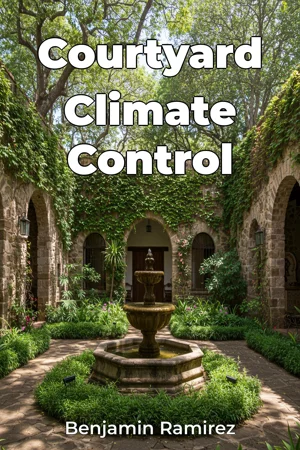
Can the architectural wisdom of the past offer solutions to the climate challenges of the present? "Courtyard Climate Control" delves into the historical use of hacienda courtyards as effective natural cooling systems, drawing upon a wealth of colonial records to understand and apply these time-tested strategies. This book explores the key concepts of passive cooling, microclimate regulation, and vernacular architecture, highlighting their significance in an era increasingly focused on sustainable design. The book argues that traditional architectural designs, specifically those found in colonial-era haciendas, provide valuable insights into creating energy-efficient buildings. By meticulously examining the design and function of hacienda courtyards, the book demonstrates how these spaces were intentionally crafted to moderate temperature, provide shade, and promote airflow. The central argument is that the principles underlying these designs can be adapted for modern construction, offering a practical and historically informed approach to sustainable architecture. The book is structured to provide a comprehensive understanding of courtyard climate control. It begins with an introduction to the principles of passive cooling and a historical overview of hacienda architecture in colonial settings. The middle chapters focus on specific elements of courtyard design, such as the selection of materials, the orientation of the courtyard, the use of vegetation, and the incorporation of water features. Each element is analyzed for its contribution to the overall cooling effect, supported by evidence drawn from architectural plans, historical documents, and climate data. The book culminates in a discussion of how these design principles can be applied to contemporary building projects, offering practical guidelines and case studies. The evidence presented in the book is derived from diverse sources. Colonial records, including architectural plans, official reports, and personal accounts, provide detailed information about the construction and use of haciendas. Climate data from historical archives is used to assess the effectiveness of courtyard designs in different regions and seasons. The book connects to fields such as environmental history, sustainable engineering, and urban planning. The insights into historical construction practices offer a unique perspective on sustainable design, demonstrating the potential of vernacular architecture to address contemporary challenges. This book takes an analytical approach, carefully examining the architectural and environmental factors that influenced the design of hacienda courtyards. This perspective allows the reader to understand the underlying principles of passive cooling and apply them in a variety of contexts. The target audience includes architects, landscape designers, historians, and anyone interested in sustainable design and historical architecture. It will also appeal to students and researchers in these fields. The book is a work of history, architecture, and architectural studies. As such, the book maintains a scholarly tone, presenting information in a clear and organized manner while adhering to the expected standards of academic rigor. The book's scope is limited to the study of hacienda courtyards in colonial settings, but the principles discussed have broader implications for sustainable architecture. While the book does not address every type of courtyard design, it provides a detailed analysis of a specific architectural tradition. The information can be applied to the design of new buildings or the renovation of existing ones. By understanding the principles of passive cooling, architects and homeowners can reduce their reliance on air conditioning and create more comfortable and energy-efficient spaces. Some debates exist regarding the extent to which traditional architectural designs can be adapted to meet modern needs. However, this book provides a balanced perspective, acknowledging both the potential and the limitations of vernacular architecture in the 21st century.
Can the architectural wisdom of the past offer solutions to the climate challenges of the present? "Courtyard Climate Control" delves into the historical use of hacienda courtyards as effective natural cooling systems, drawing upon a wealth of colonial records to understand and apply these time-tested strategies. This book explores the key concepts of passive cooling, microclimate regulation, and vernacular architecture, highlighting their significance in an era increasingly focused on sustainable design. The book argues that traditional architectural designs, specifically those found in colonial-era haciendas, provide valuable insights into creating energy-efficient buildings. By meticulously examining the design and function of hacienda courtyards, the book demonstrates how these spaces were intentionally crafted to moderate temperature, provide shade, and promote airflow. The central argument is that the principles underlying these designs can be adapted for modern construction, offering a practical and historically informed approach to sustainable architecture. The book is structured to provide a comprehensive understanding of courtyard climate control. It begins with an introduction to the principles of passive cooling and a historical overview of hacienda architecture in colonial settings. The middle chapters focus on specific elements of courtyard design, such as the selection of materials, the orientation of the courtyard, the use of vegetation, and the incorporation of water features. Each element is analyzed for its contribution to the overall cooling effect, supported by evidence drawn from architectural plans, historical documents, and climate data. The book culminates in a discussion of how these design principles can be applied to contemporary building projects, offering practical guidelines and case studies. The evidence presented in the book is derived from diverse sources. Colonial records, including architectural plans, official reports, and personal accounts, provide detailed information about the construction and use of haciendas. Climate data from historical archives is used to assess the effectiveness of courtyard designs in different regions and seasons. The book connects to fields such as environmental history, sustainable engineering, and urban planning. The insights into historical construction practices offer a unique perspective on sustainable design, demonstrating the potential of vernacular architecture to address contemporary challenges. This book takes an analytical approach, carefully examining the architectural and environmental factors that influenced the design of hacienda courtyards. This perspective allows the reader to understand the underlying principles of passive cooling and apply them in a variety of contexts. The target audience includes architects, landscape designers, historians, and anyone interested in sustainable design and historical architecture. It will also appeal to students and researchers in these fields. The book is a work of history, architecture, and architectural studies. As such, the book maintains a scholarly tone, presenting information in a clear and organized manner while adhering to the expected standards of academic rigor. The book's scope is limited to the study of hacienda courtyards in colonial settings, but the principles discussed have broader implications for sustainable architecture. While the book does not address every type of courtyard design, it provides a detailed analysis of a specific architectural tradition. The information can be applied to the design of new buildings or the renovation of existing ones. By understanding the principles of passive cooling, architects and homeowners can reduce their reliance on air conditioning and create more comfortable and energy-efficient spaces. Some debates exist regarding the extent to which traditional architectural designs can be adapted to meet modern needs. However, this book provides a balanced perspective, acknowledging both the potential and the limitations of vernacular architecture in the 21st century.
"Courtyard Climate Control" explores how hacienda courtyards historically functioned as natural cooling systems. By analyzing colonial records and architectural plans, the book reveals the principles behind passive cooling and microclimate regulation in these spaces. Readers will discover how the strategic use of materials, orientation, vegetation, and water features in courtyard design contributed to temperature moderation. The book progresses from an introduction to passive cooling and hacienda architecture to specific elements of courtyard design. It uses climate data and historical documents to support its analysis. The book uniquely bridges environmental and architectural history, offering a practical, historically informed approach to creating energy-efficient buildings. Ultimately, "Courtyard Climate Control" argues that understanding vernacular architecture, like that of colonial haciendas, provides valuable insights for sustainable design today. It demonstrates how these time-tested strategies can be adapted for contemporary projects, offering architects and landscape designers a resource for creating more comfortable and environmentally friendly spaces.
Book Details
ISBN
9788235213129
Publisher
Publifye AS
Your Licenses
You don't own any licenses for this book
Purchase a license below to unlock this book and download the EPUB.
Purchase License
Select a tier to unlock this book
Need bulk licensing?
Contact us for enterprise agreements.