
About This Book
How can we design homes that work *with* nature, not against it, to combat rising energy costs and environmental concerns? "Passive Cooling Homes" examines the fundamental principles of architectural design that harness natural processes to reduce the need for energy-intensive air conditioning systems. This book explores the critical intersection of sustainable design, architectural innovation, and practical application, offering a pathway toward more comfortable and environmentally responsible living spaces. The core concepts revolve around understanding climate-responsive design, mastering passive cooling techniques, and applying architectural data to optimize building performance. These topics are essential because buildings are significant energy consumers, and traditional cooling methods contribute substantially to greenhouse gas emissions. Passive cooling offers a sustainable alternative, enhancing comfort while minimizing environmental impact. The book begins by establishing a historical context, examining traditional building designs from various climates around the world that have successfully employed passive cooling strategies for centuries. This historical perspective underscores the enduring relevance of these techniques and provides a foundation for modern applications. No prior knowledge is strictly required, but a basic understanding of architectural principles or environmental science will enhance the reader's comprehension. The central argument of "Passive Cooling Homes" is that effective passive cooling design is not merely an add-on feature but an integral part of the architectural design process. Integrating climate-responsive strategies from the initial design phase leads to buildings that are inherently more comfortable, energy-efficient, and environmentally friendly. This argument challenges conventional building practices that rely heavily on mechanical cooling systems. The book is structured to guide the reader through a comprehensive understanding of passive cooling. First, it introduces the fundamental principles of heat transfer, building physics, and climate analysis. Second, it develops these ideas by exploring specific passive cooling techniques, such as natural ventilation, shading strategies, evaporative cooling, and thermal mass utilization. Each technique is examined in detail, with case studies illustrating successful applications. Third, the book culminates with a discussion of how to integrate these techniques into a cohesive design strategy, considering factors like building orientation, material selection, and landscaping. Finally, it explores the practical implications of passive cooling, including energy savings, improved indoor air quality, and enhanced occupant comfort. The evidence presented throughout the book draws from a variety of sources, including architectural case studies, energy modeling simulations, climate data analysis, and empirical research on the effectiveness of passive cooling strategies. It will reference architectural data, climate reports, and building performance evaluations to support assertions with concrete, quantifiable results. "Passive Cooling Homes" connects to several other fields, including environmental science, sustainable engineering, and urban planning. The connections to environmental science highlight the ecological benefits of passive cooling, such as reduced carbon emissions and improved air quality. The connections to sustainable engineering emphasize the technical aspects of implementing passive cooling strategies, such as optimizing building performance and selecting appropriate materials. The links to urban planning illustrate how passive cooling can be integrated into larger-scale urban design to create more sustainable and resilient communities. The book takes a holistic approach to passive cooling design, emphasizing the importance of considering all aspects of the building and its environment. This perspective distinguishes it from approaches that focus solely on individual techniques or technologies. The writing style is informative but accessible, balancing technical details with clear explanations and visual aids. Complex concepts are presented in a way that is easy to understand, even for readers without a strong technical background. The tone is professional and authoritative, reflecting the book's commitment to scientific rigor and practical application. The target audience includes architects, designers, builders, homeowners, and anyone interested in sustainable building practices. This book will prove valuable to these individuals by providing them with the knowledge and tools they need to design and build more comfortable, energy-efficient, and environmentally responsible homes. As a design and architecture book, it includes detailed diagrams, case studies, and practical examples that illustrate the principles and techniques discussed. It adheres to the conventions of the genre by providing a comprehensive and systematic overview of the subject matter. The scope of the book is limited to residential buildings, focusing primarily on single-family homes. While the principles discussed are applicable to other types of buildings, the specific examples and case studies are tailored to the residential context. The information in "Passive Cooling Homes" can be applied practically by readers in a variety of ways. Architects and designers can use the book as a design guide, incorporating passive cooling strategies into their projects from the initial planning stages. Builders can use the book to understand the principles behind passive cooling and to implement these strategies in their construction practices. Homeowners can use the book to evaluate the passive cooling potential of their existing homes and to make informed decisions about renovations and improvements. While the benefits of passive cooling are widely acknowledged, there are ongoing debates about the most effective strategies for different climates and building types. The book addresses these debates by presenting a balanced perspective, considering the advantages and disadvantages of different approaches.
How can we design homes that work *with* nature, not against it, to combat rising energy costs and environmental concerns? "Passive Cooling Homes" examines the fundamental principles of architectural design that harness natural processes to reduce the need for energy-intensive air conditioning systems. This book explores the critical intersection of sustainable design, architectural innovation, and practical application, offering a pathway toward more comfortable and environmentally responsible living spaces. The core concepts revolve around understanding climate-responsive design, mastering passive cooling techniques, and applying architectural data to optimize building performance. These topics are essential because buildings are significant energy consumers, and traditional cooling methods contribute substantially to greenhouse gas emissions. Passive cooling offers a sustainable alternative, enhancing comfort while minimizing environmental impact. The book begins by establishing a historical context, examining traditional building designs from various climates around the world that have successfully employed passive cooling strategies for centuries. This historical perspective underscores the enduring relevance of these techniques and provides a foundation for modern applications. No prior knowledge is strictly required, but a basic understanding of architectural principles or environmental science will enhance the reader's comprehension. The central argument of "Passive Cooling Homes" is that effective passive cooling design is not merely an add-on feature but an integral part of the architectural design process. Integrating climate-responsive strategies from the initial design phase leads to buildings that are inherently more comfortable, energy-efficient, and environmentally friendly. This argument challenges conventional building practices that rely heavily on mechanical cooling systems. The book is structured to guide the reader through a comprehensive understanding of passive cooling. First, it introduces the fundamental principles of heat transfer, building physics, and climate analysis. Second, it develops these ideas by exploring specific passive cooling techniques, such as natural ventilation, shading strategies, evaporative cooling, and thermal mass utilization. Each technique is examined in detail, with case studies illustrating successful applications. Third, the book culminates with a discussion of how to integrate these techniques into a cohesive design strategy, considering factors like building orientation, material selection, and landscaping. Finally, it explores the practical implications of passive cooling, including energy savings, improved indoor air quality, and enhanced occupant comfort. The evidence presented throughout the book draws from a variety of sources, including architectural case studies, energy modeling simulations, climate data analysis, and empirical research on the effectiveness of passive cooling strategies. It will reference architectural data, climate reports, and building performance evaluations to support assertions with concrete, quantifiable results. "Passive Cooling Homes" connects to several other fields, including environmental science, sustainable engineering, and urban planning. The connections to environmental science highlight the ecological benefits of passive cooling, such as reduced carbon emissions and improved air quality. The connections to sustainable engineering emphasize the technical aspects of implementing passive cooling strategies, such as optimizing building performance and selecting appropriate materials. The links to urban planning illustrate how passive cooling can be integrated into larger-scale urban design to create more sustainable and resilient communities. The book takes a holistic approach to passive cooling design, emphasizing the importance of considering all aspects of the building and its environment. This perspective distinguishes it from approaches that focus solely on individual techniques or technologies. The writing style is informative but accessible, balancing technical details with clear explanations and visual aids. Complex concepts are presented in a way that is easy to understand, even for readers without a strong technical background. The tone is professional and authoritative, reflecting the book's commitment to scientific rigor and practical application. The target audience includes architects, designers, builders, homeowners, and anyone interested in sustainable building practices. This book will prove valuable to these individuals by providing them with the knowledge and tools they need to design and build more comfortable, energy-efficient, and environmentally responsible homes. As a design and architecture book, it includes detailed diagrams, case studies, and practical examples that illustrate the principles and techniques discussed. It adheres to the conventions of the genre by providing a comprehensive and systematic overview of the subject matter. The scope of the book is limited to residential buildings, focusing primarily on single-family homes. While the principles discussed are applicable to other types of buildings, the specific examples and case studies are tailored to the residential context. The information in "Passive Cooling Homes" can be applied practically by readers in a variety of ways. Architects and designers can use the book as a design guide, incorporating passive cooling strategies into their projects from the initial planning stages. Builders can use the book to understand the principles behind passive cooling and to implement these strategies in their construction practices. Homeowners can use the book to evaluate the passive cooling potential of their existing homes and to make informed decisions about renovations and improvements. While the benefits of passive cooling are widely acknowledged, there are ongoing debates about the most effective strategies for different climates and building types. The book addresses these debates by presenting a balanced perspective, considering the advantages and disadvantages of different approaches.
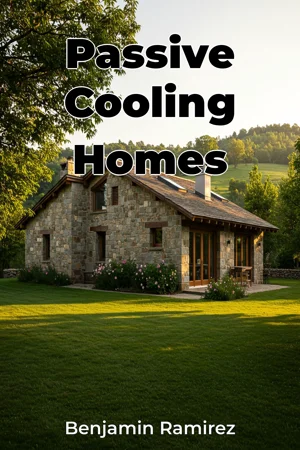
"Passive Cooling Homes" explores how to design houses that use natural processes to minimize the need for air conditioning, addressing rising energy costs and environmental concerns. This book examines sustainable design and climate-responsive design, showing how traditional architectural techniques, like natural ventilation and shading strategies, can be applied to modern homes. Discover how integrating these passive cooling techniques from the beginning of the design process can lead to significant energy savings and improved comfort. The book begins by looking at historical examples of passive cooling methods used in different climates, providing a foundation for understanding contemporary applications. It progresses through fundamental principles of heat transfer and building physics, then delves into specific techniques such as evaporative cooling and thermal mass utilization. Case studies illustrate successful applications, demonstrating how these strategies can be cohesively integrated into architectural design to enhance building performance.
Book Details
ISBN
9788235212993
Publisher
Publifye AS
Your Licenses
You don't own any licenses for this book
Purchase a license below to unlock this book and download the EPUB.
Purchase License
Select a tier to unlock this book
Need bulk licensing?
Contact us for enterprise agreements.