
About This Book
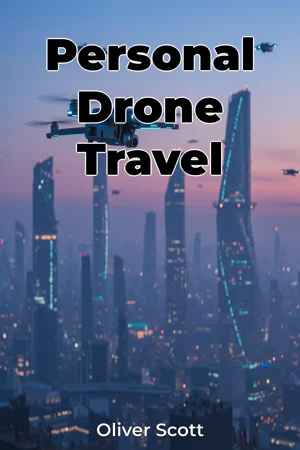
Imagine a future where personal transportation transcends congested roadways and overcrowded public transit. "Personal Drone Travel" explores the nascent reality of compact drones designed for individual human transport, examining the technological advancements, regulatory landscapes, and societal implications that will shape this emerging field. This book is essential for anyone seeking to understand the potentially transformative impact of personal drone technology on travel and urban development. The core of this exploration centers around three key topics: the engineering challenges of creating safe and efficient personal drones, the evolving regulatory frameworks governing their use, and the broader societal implications of widespread aerial personal transport. The significance of these topics lies in their interconnectedness; technological innovation must align with safety regulations, while societal acceptance hinges on addressing concerns around privacy, noise pollution, and equitable access. The book begins by establishing a historical context, tracing the development of drone technology from its military origins to its current civilian applications. It assumes a basic understanding of aerodynamics and electric propulsion systems, providing supplemental explanations where necessary. It will then delve into the engineering hurdles that must be overcome to create reliable personal transport drones, including advancements in battery technology, autonomous flight control systems, and airframe design. The central argument posits that personal drone travel, while currently facing significant obstacles, is a feasible and potentially beneficial mode of transportation that requires proactive planning and thoughtful regulation to maximize its societal value while mitigating its risks. This argument is crucial because reactive policies could stifle innovation or lead to unsafe deployment, while a proactive approach can guide development towards a sustainable and equitable future. The structure of the book unfolds in several stages. First, it introduces the core concepts of drone technology and the existing aerospace industry, establishing a foundation for understanding the specific challenges of personal transport. Next, it elaborates on the engineering aspects, dedicating chapters to propulsion systems, navigation, and safety features. This section is followed by an analysis of current and proposed regulations, examining the legal and ethical considerations surrounding drone operation. Finally, the book explores the societal impact of personal drone travel, considering its potential effects on urban planning, environmental sustainability, and social equity. The arguments are supported by a wide range of evidence, including technical specifications of existing drone prototypes, analysis of regulatory documents from aviation authorities worldwide, and data from studies on public perception of drone technology. The book also draws upon expert interviews with engineers, policymakers, and urban planners. Publicly available data from aerospace trend reports and industry publications will be utilized. "Personal Drone Travel" connects to several interdisciplinary fields, including urban planning, environmental science, and public policy. The connection to urban planning is evident in the potential for drones to reshape city infrastructure and transportation networks. The link to environmental science arises from concerns about noise and air pollution, as well as the energy efficiency of drone technology. Finally, the connection to public policy is critical in shaping regulations that balance innovation with public safety and societal well-being. This book stands apart by offering a holistic perspective, integrating technical, regulatory, and societal considerations into a comprehensive analysis of personal drone travel. It avoids speculative hype, focusing instead on a balanced and evidence-based assessment of the technology's potential and challenges. The tone is informative and analytical, aiming to provide readers with a clear understanding of the complexities surrounding personal drone travel. The writing style is accessible to a broad audience with an interest in technology, transportation, and urban development. The target audience includes engineers, urban planners, policymakers, investors, and anyone interested in the future of transportation. This book is valuable to them because it provides a comprehensive overview of the technology, its potential impact, and the challenges that must be addressed to realize its full potential. The book adheres to the conventions of the 'Travel' and 'Technology' genres by providing both practical insights into the technology and exploring its potential to transform the way people move around the world. The scope of the book is limited to personal drones designed for individual transport, excluding cargo drones and other specialized applications. The book also focuses primarily on technological and regulatory challenges in developed countries, acknowledging that the adoption of personal drone travel may vary significantly in different regions. The information in the book can be applied practically by readers to inform investment decisions, guide policy development, and shape urban planning strategies. Engineers can use the book to identify key areas for technological innovation, while policymakers can use it to develop regulations that promote safety and sustainability. The book addresses ongoing debates about the safety, privacy, and environmental impact of drone technology, presenting a balanced perspective on these issues and offering recommendations for mitigating potential risks.
Imagine a future where personal transportation transcends congested roadways and overcrowded public transit. "Personal Drone Travel" explores the nascent reality of compact drones designed for individual human transport, examining the technological advancements, regulatory landscapes, and societal implications that will shape this emerging field. This book is essential for anyone seeking to understand the potentially transformative impact of personal drone technology on travel and urban development. The core of this exploration centers around three key topics: the engineering challenges of creating safe and efficient personal drones, the evolving regulatory frameworks governing their use, and the broader societal implications of widespread aerial personal transport. The significance of these topics lies in their interconnectedness; technological innovation must align with safety regulations, while societal acceptance hinges on addressing concerns around privacy, noise pollution, and equitable access. The book begins by establishing a historical context, tracing the development of drone technology from its military origins to its current civilian applications. It assumes a basic understanding of aerodynamics and electric propulsion systems, providing supplemental explanations where necessary. It will then delve into the engineering hurdles that must be overcome to create reliable personal transport drones, including advancements in battery technology, autonomous flight control systems, and airframe design. The central argument posits that personal drone travel, while currently facing significant obstacles, is a feasible and potentially beneficial mode of transportation that requires proactive planning and thoughtful regulation to maximize its societal value while mitigating its risks. This argument is crucial because reactive policies could stifle innovation or lead to unsafe deployment, while a proactive approach can guide development towards a sustainable and equitable future. The structure of the book unfolds in several stages. First, it introduces the core concepts of drone technology and the existing aerospace industry, establishing a foundation for understanding the specific challenges of personal transport. Next, it elaborates on the engineering aspects, dedicating chapters to propulsion systems, navigation, and safety features. This section is followed by an analysis of current and proposed regulations, examining the legal and ethical considerations surrounding drone operation. Finally, the book explores the societal impact of personal drone travel, considering its potential effects on urban planning, environmental sustainability, and social equity. The arguments are supported by a wide range of evidence, including technical specifications of existing drone prototypes, analysis of regulatory documents from aviation authorities worldwide, and data from studies on public perception of drone technology. The book also draws upon expert interviews with engineers, policymakers, and urban planners. Publicly available data from aerospace trend reports and industry publications will be utilized. "Personal Drone Travel" connects to several interdisciplinary fields, including urban planning, environmental science, and public policy. The connection to urban planning is evident in the potential for drones to reshape city infrastructure and transportation networks. The link to environmental science arises from concerns about noise and air pollution, as well as the energy efficiency of drone technology. Finally, the connection to public policy is critical in shaping regulations that balance innovation with public safety and societal well-being. This book stands apart by offering a holistic perspective, integrating technical, regulatory, and societal considerations into a comprehensive analysis of personal drone travel. It avoids speculative hype, focusing instead on a balanced and evidence-based assessment of the technology's potential and challenges. The tone is informative and analytical, aiming to provide readers with a clear understanding of the complexities surrounding personal drone travel. The writing style is accessible to a broad audience with an interest in technology, transportation, and urban development. The target audience includes engineers, urban planners, policymakers, investors, and anyone interested in the future of transportation. This book is valuable to them because it provides a comprehensive overview of the technology, its potential impact, and the challenges that must be addressed to realize its full potential. The book adheres to the conventions of the 'Travel' and 'Technology' genres by providing both practical insights into the technology and exploring its potential to transform the way people move around the world. The scope of the book is limited to personal drones designed for individual transport, excluding cargo drones and other specialized applications. The book also focuses primarily on technological and regulatory challenges in developed countries, acknowledging that the adoption of personal drone travel may vary significantly in different regions. The information in the book can be applied practically by readers to inform investment decisions, guide policy development, and shape urban planning strategies. Engineers can use the book to identify key areas for technological innovation, while policymakers can use it to develop regulations that promote safety and sustainability. The book addresses ongoing debates about the safety, privacy, and environmental impact of drone technology, presenting a balanced perspective on these issues and offering recommendations for mitigating potential risks.
"Personal Drone Travel" envisions a future reshaped by personal drones, examining the technological advancements and regulatory landscapes influencing this emerging mode of urban transportation. The book addresses how personal drones, currently under development, could revolutionize travel, potentially alleviating traffic congestion and transforming urban planning. Intriguing insights include the engineering hurdles in creating safe and efficient autonomous flight systems, and the impact of drone regulations on societal acceptance. The book progresses by first establishing the historical context of drone technology, then delving into the engineering aspects like airframe design and electric propulsion. Following this, an analysis of current and proposed drone regulations is presented. Finally, the societal impact is explored, considering effects on urban planning and environmental sustainability. This approach offers a balanced view, integrating technical, regulatory, and societal considerations. This book stands apart by offering a holistic, evidence-based analysis of personal drone travel, avoiding hype and focusing on the technology's potential and challenges. It's essential for engineers, urban planners, and anyone seeking to understand the transformative impact of personal drone technology on travel.
Book Details
ISBN
9788235212917
Publisher
Publifye AS
Your Licenses
You don't own any licenses for this book
Purchase a license below to unlock this book and download the EPUB.
Purchase License
Select a tier to unlock this book
Need bulk licensing?
Contact us for enterprise agreements.