
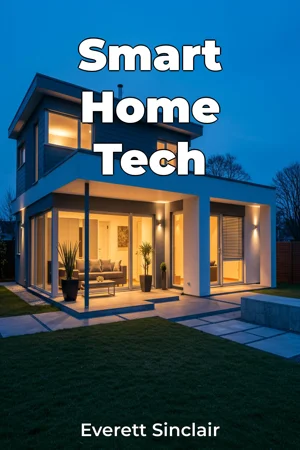
About This Book
Can technology truly transform our homes into intelligent, efficient ecosystems, or will the promise of the "smart home" remain just beyond our reach? *Smart Home Tech* delves into the burgeoning intersection of automation and modern housing, examining how technology is reshaping not only our living spaces but also the very definition of home efficiency. This book will primarily cover the core concepts of smart home technology, its implementation in modern architecture, and its potential to revolutionize energy consumption and daily life. The increasing urgency to reduce our carbon footprint and optimize resource utilization makes the exploration of smart home technologies exceptionally relevant. Escalating energy costs and a growing awareness of sustainable living practices drive the demand for innovative solutions that minimize waste and maximize comfort. The book also acknowledges the historical context of home automation, tracing its evolution from rudimentary systems to sophisticated networks capable of learning and adapting to inhabitants' needs. The central argument of *Smart Home Tech* is that while the integration of technology into housing offers tremendous potential for increased efficiency and improved living standards, its success hinges on thoughtful design, user-centric implementation, and careful consideration of data privacy and security. The book asserts that a holistic approach, encompassing technological innovation, architectural design, and user education, is crucial to realizing the transformative potential of the smart home. The book begins by defining the key components of smart home technology, exploring various systems such as automated lighting, climate control, security systems, and entertainment hubs. It then transitions into an examination of how these technologies can be seamlessly integrated into architectural designs. Further chapters feature case studies that illustrate both successful and unsuccessful smart home implementations, highlighting the importance of careful planning and anticipating user needs. Tech industry data from sources is used to support arguments concerning current trends and projected growth within the smart home market. The concluding sections explore the practical applications of smart home technology, offering guidelines for homeowners, architects, and developers looking to create intelligent and efficient living spaces. The evidence presented within *Smart Home Tech* draws from a variety of sources, including academic research, industry reports, case studies of existing smart homes, and data collected from technology manufacturers. Interviews with architects, engineers, and homeowners provide real-world perspectives on the challenges and benefits of smart home technology. Original data analysis is provided concerning energy consumption patterns in homes with and without automated systems, alongside the financial implications of adopting various smart home technologies. The book also forges interdisciplinary connections with fields such as environmental science, economics, and sociology. By examining the environmental impact of smart homes, it contributes to the broader discussion of sustainable living. Analyzing the economic implications of smart home technology, including cost savings and increased property value, provides a nuanced perspective on its financial viability. The book relates to the field of sociology by exploring how smart home technology influences social interactions within the home, including how people relate to personal devices. *Smart Home Tech* distinguishes itself through its emphasis on a practical, human-centered approach to smart home design. The book avoids technological jargon and focuses on providing actionable insights for readers looking to implement smart home solutions, it prioritizes usability and accessibility over purely theoretical considerations. The tone of the work is informative and analytical, aiming to provide a balanced perspective on the opportunities and challenges of smart home technology. The writing style is direct and engaging, making complex information accessible to a broad audience. The primary target audience includes homeowners, architects, interior designers, real estate developers, and technology enthusiasts interested in learning more about the potential of smart home technology. It will also appeal to students and researchers in architecture, engineering, and computer science. Readers will find value by understanding how technology can enhance their living spaces, reduce energy consumption, and increase property value. As a work of non-fiction within the genres of architecture and technology, *Smart Home Tech* adheres to the conventions of accuracy, objectivity, and evidence-based arguments. It provides a balanced and critical assessment of smart home technology, avoiding hype or sensationalism. The scope of the book is limited to residential applications of smart home technology, with a focus on systems designed to improve efficiency, comfort, and security. It does not delve into industrial or commercial applications of automation. Readers will gain actionable insights into designing, implementing, and managing smart home systems. It provides guidance on selecting appropriate technologies, optimizing energy consumption, and ensuring data privacy and security. The book addresses specific controversies surrounding data privacy, security vulnerabilities, and the potential for increased energy consumption due to poorly designed systems. It offers practical solutions for addressing these challenges and mitigating potential risks.
Can technology truly transform our homes into intelligent, efficient ecosystems, or will the promise of the "smart home" remain just beyond our reach? *Smart Home Tech* delves into the burgeoning intersection of automation and modern housing, examining how technology is reshaping not only our living spaces but also the very definition of home efficiency. This book will primarily cover the core concepts of smart home technology, its implementation in modern architecture, and its potential to revolutionize energy consumption and daily life. The increasing urgency to reduce our carbon footprint and optimize resource utilization makes the exploration of smart home technologies exceptionally relevant. Escalating energy costs and a growing awareness of sustainable living practices drive the demand for innovative solutions that minimize waste and maximize comfort. The book also acknowledges the historical context of home automation, tracing its evolution from rudimentary systems to sophisticated networks capable of learning and adapting to inhabitants' needs. The central argument of *Smart Home Tech* is that while the integration of technology into housing offers tremendous potential for increased efficiency and improved living standards, its success hinges on thoughtful design, user-centric implementation, and careful consideration of data privacy and security. The book asserts that a holistic approach, encompassing technological innovation, architectural design, and user education, is crucial to realizing the transformative potential of the smart home. The book begins by defining the key components of smart home technology, exploring various systems such as automated lighting, climate control, security systems, and entertainment hubs. It then transitions into an examination of how these technologies can be seamlessly integrated into architectural designs. Further chapters feature case studies that illustrate both successful and unsuccessful smart home implementations, highlighting the importance of careful planning and anticipating user needs. Tech industry data from sources is used to support arguments concerning current trends and projected growth within the smart home market. The concluding sections explore the practical applications of smart home technology, offering guidelines for homeowners, architects, and developers looking to create intelligent and efficient living spaces. The evidence presented within *Smart Home Tech* draws from a variety of sources, including academic research, industry reports, case studies of existing smart homes, and data collected from technology manufacturers. Interviews with architects, engineers, and homeowners provide real-world perspectives on the challenges and benefits of smart home technology. Original data analysis is provided concerning energy consumption patterns in homes with and without automated systems, alongside the financial implications of adopting various smart home technologies. The book also forges interdisciplinary connections with fields such as environmental science, economics, and sociology. By examining the environmental impact of smart homes, it contributes to the broader discussion of sustainable living. Analyzing the economic implications of smart home technology, including cost savings and increased property value, provides a nuanced perspective on its financial viability. The book relates to the field of sociology by exploring how smart home technology influences social interactions within the home, including how people relate to personal devices. *Smart Home Tech* distinguishes itself through its emphasis on a practical, human-centered approach to smart home design. The book avoids technological jargon and focuses on providing actionable insights for readers looking to implement smart home solutions, it prioritizes usability and accessibility over purely theoretical considerations. The tone of the work is informative and analytical, aiming to provide a balanced perspective on the opportunities and challenges of smart home technology. The writing style is direct and engaging, making complex information accessible to a broad audience. The primary target audience includes homeowners, architects, interior designers, real estate developers, and technology enthusiasts interested in learning more about the potential of smart home technology. It will also appeal to students and researchers in architecture, engineering, and computer science. Readers will find value by understanding how technology can enhance their living spaces, reduce energy consumption, and increase property value. As a work of non-fiction within the genres of architecture and technology, *Smart Home Tech* adheres to the conventions of accuracy, objectivity, and evidence-based arguments. It provides a balanced and critical assessment of smart home technology, avoiding hype or sensationalism. The scope of the book is limited to residential applications of smart home technology, with a focus on systems designed to improve efficiency, comfort, and security. It does not delve into industrial or commercial applications of automation. Readers will gain actionable insights into designing, implementing, and managing smart home systems. It provides guidance on selecting appropriate technologies, optimizing energy consumption, and ensuring data privacy and security. The book addresses specific controversies surrounding data privacy, security vulnerabilities, and the potential for increased energy consumption due to poorly designed systems. It offers practical solutions for addressing these challenges and mitigating potential risks.
"Smart Home Tech" explores the intersection of technology and architecture, revealing how automation is transforming our homes and lifestyles. It delves into the core concepts of smart home technology, addressing the increasing need for energy efficiency and sustainable living. The book highlights the potential of smart homes to revolutionize daily life, noting that thoughtful design and user-centric implementation are crucial for success. The book examines automated lighting, climate control, and security systems, illustrating how these technologies can be integrated into architectural designs. Through case studies, it showcases both successful and unsuccessful smart home implementations, emphasizing the importance of careful planning. "Smart Home Tech" also acknowledges the historical evolution of home automation, from rudimentary systems to sophisticated networks. The concluding sections provide guidelines for homeowners, architects, and developers, offering actionable insights into creating intelligent and efficient living spaces. It addresses controversies surrounding data privacy and security vulnerabilities, providing practical solutions for mitigating potential risks. By prioritizing usability and accessibility, the book distinguishes itself with a human-centered approach to smart home design.
Book Details
ISBN
9788235212504
Publisher
Publifye AS
Your Licenses
You don't own any licenses for this book
Purchase a license below to unlock this book and download the EPUB.
Purchase License
Select a tier to unlock this book
Need bulk licensing?
Contact us for enterprise agreements.