
About This Book
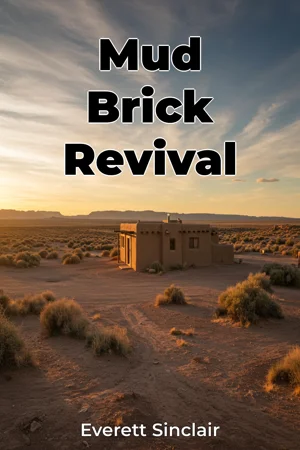
In an era defined by the urgent need for sustainable building practices, can ancient methods provide viable solutions for modern housing? "Mud Brick Revival" explores the resurgence of adobe construction as a pathway to environmentally conscious and economically sound homebuilding. This book examines the potential of mud brick, also known as adobe, as a primary building material for contemporary sustainable homes, drawing upon building material studies and historic precedents to establish its relevance in today's world. This book addresses three central topics: the environmental advantages of adobe, the structural integrity and adaptability of mud brick architecture, and the economic feasibility of building with locally sourced earthen materials. These topics are significant due to the environmental impact of conventional building materials like concrete and steel, the rising demand for energy-efficient housing, and the increasing interest in reducing construction costs through the use of readily available resources. "Mud Brick Revival" offers a comprehensive exploration of adobe construction, starting with an introduction to the history and evolution of mud brick building techniques across diverse cultures and climates. It delves into the composition and properties of adobe, examining its thermal mass, insulation capabilities, and breathability – characteristics that contribute to energy-efficient and comfortable living environments. The central argument of this book is that adobe construction, when implemented with modern engineering principles and design adaptations, presents a sustainable, cost-effective, and aesthetically pleasing alternative to conventional building methods. This argument is crucial because it challenges the perception of adobe as an outdated or inferior material, positioning it as a viable solution for addressing contemporary environmental and economic challenges in the housing sector. The book proceeds systematically. First, it establishes the scientific basis for adobe's environmental benefits, comparing its embodied energy and carbon footprint to those of conventional building materials. Second, it presents case studies of successful adobe buildings from around the world, showcasing innovative design approaches and structural engineering techniques. Third, it examines the economic aspects of adobe construction, including material costs, labor requirements, and long-term energy savings. The book culminates in a discussion of the practical applications of adobe construction, offering guidance on site selection, material sourcing, construction techniques, and maintenance practices. The evidence presented in this book is drawn from a variety of sources, including scientific studies on the properties of adobe, engineering reports on the structural performance of mud brick buildings, and economic analyses of construction costs. It incorporates data from material science laboratories, field tests, and real-world construction projects. Unique data sources include comparative life-cycle assessments of different building materials and energy consumption data from adobe homes. "Mud Brick Revival" also connects to other fields such as environmental science, by detailing the ecological impact of building materials; economics, by evaluating the cost-effectiveness of adobe construction; and sociology, by exploring the cultural significance of traditional building practices. These interdisciplinary connections enrich the book's argument by providing a holistic perspective on the potential of adobe construction. This book distinguishes itself by adopting a practical and solutions-oriented approach to the subject matter. It combines rigorous scientific analysis with real-world examples and practical guidance, empowering readers to explore the possibilities of adobe construction for their own projects. The tone is informative and accessible. The writing style balances technical accuracy with clarity, making complex concepts understandable to a broad audience. The target audience includes architects, builders, homeowners, and anyone interested in sustainable building practices. This book will be valuable to them because it provides a comprehensive and up-to-date resource on adobe construction, offering the knowledge and tools needed to design and build sustainable homes. As an architectural book, it provides detailed drawings, construction guidelines, and case studies that are essential for professionals and enthusiasts alike. The book's scope encompasses a wide range of topics related to adobe construction, from material science to design principles to construction techniques. However, it focuses primarily on residential applications, recognizing that adobe may not be suitable for all types of buildings or climates. The information in this book can be applied practically by readers who are considering building or renovating a home and are interested in sustainable materials. It provides the knowledge and guidance needed to make informed decisions about design, materials, and construction techniques. While adobe construction has a long history, debates continue regarding its suitability for various climates and building codes. The book addresses these controversies by presenting evidence-based arguments and practical solutions.
In an era defined by the urgent need for sustainable building practices, can ancient methods provide viable solutions for modern housing? "Mud Brick Revival" explores the resurgence of adobe construction as a pathway to environmentally conscious and economically sound homebuilding. This book examines the potential of mud brick, also known as adobe, as a primary building material for contemporary sustainable homes, drawing upon building material studies and historic precedents to establish its relevance in today's world. This book addresses three central topics: the environmental advantages of adobe, the structural integrity and adaptability of mud brick architecture, and the economic feasibility of building with locally sourced earthen materials. These topics are significant due to the environmental impact of conventional building materials like concrete and steel, the rising demand for energy-efficient housing, and the increasing interest in reducing construction costs through the use of readily available resources. "Mud Brick Revival" offers a comprehensive exploration of adobe construction, starting with an introduction to the history and evolution of mud brick building techniques across diverse cultures and climates. It delves into the composition and properties of adobe, examining its thermal mass, insulation capabilities, and breathability – characteristics that contribute to energy-efficient and comfortable living environments. The central argument of this book is that adobe construction, when implemented with modern engineering principles and design adaptations, presents a sustainable, cost-effective, and aesthetically pleasing alternative to conventional building methods. This argument is crucial because it challenges the perception of adobe as an outdated or inferior material, positioning it as a viable solution for addressing contemporary environmental and economic challenges in the housing sector. The book proceeds systematically. First, it establishes the scientific basis for adobe's environmental benefits, comparing its embodied energy and carbon footprint to those of conventional building materials. Second, it presents case studies of successful adobe buildings from around the world, showcasing innovative design approaches and structural engineering techniques. Third, it examines the economic aspects of adobe construction, including material costs, labor requirements, and long-term energy savings. The book culminates in a discussion of the practical applications of adobe construction, offering guidance on site selection, material sourcing, construction techniques, and maintenance practices. The evidence presented in this book is drawn from a variety of sources, including scientific studies on the properties of adobe, engineering reports on the structural performance of mud brick buildings, and economic analyses of construction costs. It incorporates data from material science laboratories, field tests, and real-world construction projects. Unique data sources include comparative life-cycle assessments of different building materials and energy consumption data from adobe homes. "Mud Brick Revival" also connects to other fields such as environmental science, by detailing the ecological impact of building materials; economics, by evaluating the cost-effectiveness of adobe construction; and sociology, by exploring the cultural significance of traditional building practices. These interdisciplinary connections enrich the book's argument by providing a holistic perspective on the potential of adobe construction. This book distinguishes itself by adopting a practical and solutions-oriented approach to the subject matter. It combines rigorous scientific analysis with real-world examples and practical guidance, empowering readers to explore the possibilities of adobe construction for their own projects. The tone is informative and accessible. The writing style balances technical accuracy with clarity, making complex concepts understandable to a broad audience. The target audience includes architects, builders, homeowners, and anyone interested in sustainable building practices. This book will be valuable to them because it provides a comprehensive and up-to-date resource on adobe construction, offering the knowledge and tools needed to design and build sustainable homes. As an architectural book, it provides detailed drawings, construction guidelines, and case studies that are essential for professionals and enthusiasts alike. The book's scope encompasses a wide range of topics related to adobe construction, from material science to design principles to construction techniques. However, it focuses primarily on residential applications, recognizing that adobe may not be suitable for all types of buildings or climates. The information in this book can be applied practically by readers who are considering building or renovating a home and are interested in sustainable materials. It provides the knowledge and guidance needed to make informed decisions about design, materials, and construction techniques. While adobe construction has a long history, debates continue regarding its suitability for various climates and building codes. The book addresses these controversies by presenting evidence-based arguments and practical solutions.
"Mud Brick Revival" highlights the resurgence of adobe construction as a sustainable and economically sound alternative for modern homebuilding. It argues for the environmental advantages, structural integrity, and economic feasibility of using mud brick, or adobe, as a primary building material. The book explores the potential of earthen materials to meet contemporary housing needs, drawing on historical precedents and modern engineering principles. Adobe's breathability and thermal mass contribute to energy-efficient housing, making homes more comfortable. The book systematically progresses through key areas, beginning with the history and evolution of mud brick techniques across various cultures. It then examines the environmental benefits of adobe, comparing its carbon footprint to conventional materials. Case studies from around the world showcase innovative designs and engineering, followed by an analysis of the economic aspects, including material costs and long-term energy savings. This offers a practical, solutions-oriented guide for architects, builders, and homeowners interested in environmentally conscious building and sustainable homes.
Book Details
ISBN
9788235212474
Publisher
Publifye AS
Your Licenses
You don't own any licenses for this book
Purchase a license below to unlock this book and download the EPUB.
Purchase License
Select a tier to unlock this book
Need bulk licensing?
Contact us for enterprise agreements.