
About This Book
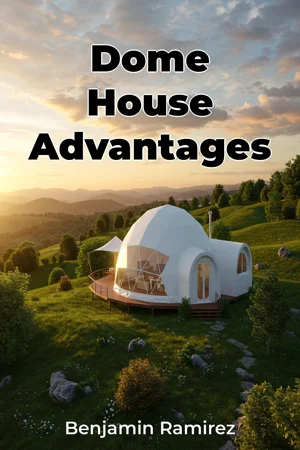
Could the homes of the future be rooted in a design from the past? "Dome House Advantages" explores the architectural potential of geodesic domes, focusing on their inherent energy efficiency and sustainability. This book delves into the design principles, construction techniques, and real-world benefits of dome homes, aiming to equip readers with a comprehensive understanding of this alternative housing option. The book centers on three key concepts: structural integrity, energy performance, and sustainable living. The superior structural strength of a dome, derived from its geometry, allows it to withstand extreme weather conditions such as hurricanes and earthquakes more effectively than conventional structures. The spherical shape also minimizes the surface area exposed to the elements, reducing heat loss in winter and heat gain in summer, leading to significant energy savings. Finally, the book considers the eco-friendly aspects of dome construction, including the use of sustainable materials, reduced waste, and minimal environmental impact. To fully appreciate the advantages of dome homes, a basic understanding of architectural principles, geometry, and building science is helpful, though not strictly required. We provide a contextual overview of Buckminster Fuller’s contributions to geodesic dome design and explore the historical context of alternative construction methods. The book’s central argument posits that geodesic domes offer a viable and often superior alternative to conventional housing designs, especially in an era of heightened environmental awareness and increasing energy costs. The book is structured in a logical progression. It begins by introducing the fundamental concepts of geodesic geometry and structural engineering as they apply to dome construction. The following sections detail the energy-efficient properties of domes, examining factors such as insulation, ventilation, and solar gain. Practical considerations are then addressed, including site selection, foundation design, material choices, and construction techniques. The book culminates in a discussion of real-world examples of dome homes, showcasing successful implementations and addressing common challenges. Architectural analyses are explored throughout the book to provide concrete examples to back up central ideas. Evidence is drawn from architectural analyses, engineering studies, and case studies of existing dome homes. Data on energy consumption, material costs, and structural performance are presented to support the claims made. The book integrates knowledge from architecture, engineering, and environmental science, demonstrating how these fields converge in the design and construction of sustainable dome homes. This interdisciplinary approach highlights the holistic benefits of this architectural style. A unique aspect of this book is its focus on practical applications and cost-effectiveness. It moves beyond theoretical discussions to provide concrete guidance for individuals interested in building or living in a dome home. The book avoids overly technical jargon, opting for a clear and accessible writing style that appeals to a broad audience, including architects, engineers, builders, and homeowners. The intended readership includes anyone interested in sustainable living, alternative housing, and energy-efficient design. Architects and engineers seeking innovative solutions will also find this book valuable. While the book aims to provide a comprehensive overview of dome home advantages, it acknowledges limitations in scope. It does not delve into the intricacies of specific building codes or regulations, which vary widely by location. Instead, it focuses on general principles and best practices that can be adapted to different contexts, and encourages professional consultation to review local building codes. The information can be applied directly by readers considering building a dome home, offering insights into design considerations, material selection, and construction techniques. There are ongoing discussions within the architectural community regarding the aesthetic appeal and practicality of dome homes. This book addresses these concerns by showcasing diverse design options and highlighting the adaptability of dome structures to various architectural styles.
Could the homes of the future be rooted in a design from the past? "Dome House Advantages" explores the architectural potential of geodesic domes, focusing on their inherent energy efficiency and sustainability. This book delves into the design principles, construction techniques, and real-world benefits of dome homes, aiming to equip readers with a comprehensive understanding of this alternative housing option. The book centers on three key concepts: structural integrity, energy performance, and sustainable living. The superior structural strength of a dome, derived from its geometry, allows it to withstand extreme weather conditions such as hurricanes and earthquakes more effectively than conventional structures. The spherical shape also minimizes the surface area exposed to the elements, reducing heat loss in winter and heat gain in summer, leading to significant energy savings. Finally, the book considers the eco-friendly aspects of dome construction, including the use of sustainable materials, reduced waste, and minimal environmental impact. To fully appreciate the advantages of dome homes, a basic understanding of architectural principles, geometry, and building science is helpful, though not strictly required. We provide a contextual overview of Buckminster Fuller’s contributions to geodesic dome design and explore the historical context of alternative construction methods. The book’s central argument posits that geodesic domes offer a viable and often superior alternative to conventional housing designs, especially in an era of heightened environmental awareness and increasing energy costs. The book is structured in a logical progression. It begins by introducing the fundamental concepts of geodesic geometry and structural engineering as they apply to dome construction. The following sections detail the energy-efficient properties of domes, examining factors such as insulation, ventilation, and solar gain. Practical considerations are then addressed, including site selection, foundation design, material choices, and construction techniques. The book culminates in a discussion of real-world examples of dome homes, showcasing successful implementations and addressing common challenges. Architectural analyses are explored throughout the book to provide concrete examples to back up central ideas. Evidence is drawn from architectural analyses, engineering studies, and case studies of existing dome homes. Data on energy consumption, material costs, and structural performance are presented to support the claims made. The book integrates knowledge from architecture, engineering, and environmental science, demonstrating how these fields converge in the design and construction of sustainable dome homes. This interdisciplinary approach highlights the holistic benefits of this architectural style. A unique aspect of this book is its focus on practical applications and cost-effectiveness. It moves beyond theoretical discussions to provide concrete guidance for individuals interested in building or living in a dome home. The book avoids overly technical jargon, opting for a clear and accessible writing style that appeals to a broad audience, including architects, engineers, builders, and homeowners. The intended readership includes anyone interested in sustainable living, alternative housing, and energy-efficient design. Architects and engineers seeking innovative solutions will also find this book valuable. While the book aims to provide a comprehensive overview of dome home advantages, it acknowledges limitations in scope. It does not delve into the intricacies of specific building codes or regulations, which vary widely by location. Instead, it focuses on general principles and best practices that can be adapted to different contexts, and encourages professional consultation to review local building codes. The information can be applied directly by readers considering building a dome home, offering insights into design considerations, material selection, and construction techniques. There are ongoing discussions within the architectural community regarding the aesthetic appeal and practicality of dome homes. This book addresses these concerns by showcasing diverse design options and highlighting the adaptability of dome structures to various architectural styles.
"Dome House Advantages" explores the innovative potential of geodesic domes as sustainable, energy-efficient housing. It reveals how their unique spherical design minimizes surface area, leading to lower energy consumption for heating and cooling. The book also highlights the exceptional structural integrity of domes, making them resistant to extreme weather events like hurricanes due to their efficient distribution of stress. The book progresses logically, starting with the geometry and structural engineering principles behind dome construction, then moving to energy performance and practical considerations such as site selection and material choices. It emphasizes real-world examples and architectural analyses to support the claims made, demonstrating how these homes offer a viable, eco-friendly alternative to conventional housing. Throughout, it champions the use of sustainable materials and methods, aligning with the growing demand for eco-friendly architectural designs. By presenting a comprehensive overview of dome home advantages, the book demonstrates how these structures offer an often superior alternative to traditional housing. It showcases the adaptability of dome structures to various architectural styles, and provides practical guidance for those interested in building or living in a dome home, moving beyond theoretical discussions to provide concrete insights.
Book Details
ISBN
9788235212436
Publisher
Publifye AS
Your Licenses
You don't own any licenses for this book
Purchase a license below to unlock this book and download the EPUB.
Purchase License
Select a tier to unlock this book
Need bulk licensing?
Contact us for enterprise agreements.