
About This Book
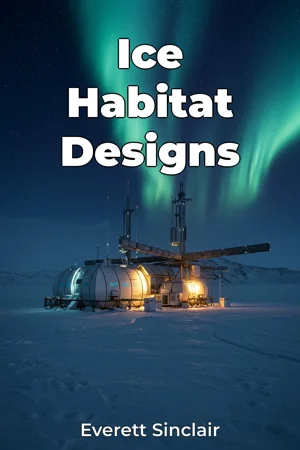
How can we sustainably inhabit the Earth's most extreme environments, particularly those defined by intense cold? "Ice Habitat Designs" delves into the innovative world of architectural and engineering solutions for creating viable and resilient living structures in polar and subpolar regions. This book is vital as climate change increasingly impacts these vulnerable environments, necessitating both scientific research and adaptive strategies for human presence. Our investigation centers on three key themes: the study of existing living structures in extreme cold environments; the application of bio-inspired design principles to enhance structural integrity and energy efficiency; and the integration of advanced materials and technologies for creating self-sustaining habitats. Each of these areas is crucial for developing effective and environmentally conscious architectural solutions. Furthermore, the book emphasizes the crucial role of understanding the specific geographic and climatic context as a prerequisite. Humans have a long history of habitation in cold climates, from indigenous communities with traditional dwellings to research outposts in Antarctica. Understanding these precedents, their successes, and their failures provides a foundational knowledge base for current and future design innovations. Considering this historical and cultural backdrop, our central argument is that the successful design of ice habitats hinges on a synergistic approach, integrating cutting-edge technology with a deep understanding of natural processes and ecological balance. This interdisciplinary method is essential for creating structures that are not only habitable but also minimize their environmental footprint and promote long-term sustainability. The book begins by introducing the challenges of living in extreme cold environments, detailing the physiological and psychological impacts on humans, as well as the logistical and environmental hurdles of construction and resource management. We then explore existing architectural solutions and their effectiveness, from traditional Inuit igloos to modern research stations. The core of the book is dedicated to examining bio-inspired designs, analyzing how natural forms and systems can inform the architecture of ice habitats. This section draws upon natural examples of insulation, structural stability, and resource management found in polar ecosystems. Subsequent chapters will offer a pragmatic exploration of advanced materials, such as aerogels, phase-change materials, and high-performance composites, and explore construction techniques specific to icy environments. The culmination of the argument lies in presenting comprehensive design concepts for self-sustaining ice habitats, integrating renewable energy systems, waste management solutions, and food production strategies through advanced technologies. The evidence presented includes case studies of existing polar research facilities, detailed analyses of indigenous building techniques, and performance data from material science experiments. The designs and concepts are grounded in simulations, physical models, and assessments. This book connects Earth Sciences Geography with Architecture, providing a framework for understanding how geographical factors shape architectural possibilities and constraints. It also links to Sustainable Engineering by emphasizing environmentally responsible design principles, and to Material Science, exploring cutting-edge materials suitable for these unique environments. "Ice Habitat Designs" adopts a solutions-focused perspective, presenting a comprehensive exploration of potential solutions based on scientific research and engineering principles. The narrative style is accessible to a broad audience, while maintaining scientific rigor in the presentation of data and analysis. The book is aimed at architects, engineers, researchers, policymakers, and anyone interested in sustainable design and the future of human habitation in extreme environments. It is valuable to these audiences because it offers practical guidance for designing and constructing structures that are both functional and environmentally responsible. The scope of this book is limited to architectural design and engineering solutions for ice habitats, focusing on the technical aspects of creating habitable and sustainable structures. While the book acknowledges the social and political dimensions of polar research and development, it does not delve into these issues in detail. The information in the book can be applied in a multitude of contexts, from designing research facilities in Antarctica to developing sustainable housing solutions for communities in the Arctic. Addressing the ongoing debate surrounding the environmental impact of human activities in polar regions, this book advocates for a responsible and sustainable approach to development, emphasizing the need to minimize the ecological footprint of ice habitats and promote environmental stewardship.
How can we sustainably inhabit the Earth's most extreme environments, particularly those defined by intense cold? "Ice Habitat Designs" delves into the innovative world of architectural and engineering solutions for creating viable and resilient living structures in polar and subpolar regions. This book is vital as climate change increasingly impacts these vulnerable environments, necessitating both scientific research and adaptive strategies for human presence. Our investigation centers on three key themes: the study of existing living structures in extreme cold environments; the application of bio-inspired design principles to enhance structural integrity and energy efficiency; and the integration of advanced materials and technologies for creating self-sustaining habitats. Each of these areas is crucial for developing effective and environmentally conscious architectural solutions. Furthermore, the book emphasizes the crucial role of understanding the specific geographic and climatic context as a prerequisite. Humans have a long history of habitation in cold climates, from indigenous communities with traditional dwellings to research outposts in Antarctica. Understanding these precedents, their successes, and their failures provides a foundational knowledge base for current and future design innovations. Considering this historical and cultural backdrop, our central argument is that the successful design of ice habitats hinges on a synergistic approach, integrating cutting-edge technology with a deep understanding of natural processes and ecological balance. This interdisciplinary method is essential for creating structures that are not only habitable but also minimize their environmental footprint and promote long-term sustainability. The book begins by introducing the challenges of living in extreme cold environments, detailing the physiological and psychological impacts on humans, as well as the logistical and environmental hurdles of construction and resource management. We then explore existing architectural solutions and their effectiveness, from traditional Inuit igloos to modern research stations. The core of the book is dedicated to examining bio-inspired designs, analyzing how natural forms and systems can inform the architecture of ice habitats. This section draws upon natural examples of insulation, structural stability, and resource management found in polar ecosystems. Subsequent chapters will offer a pragmatic exploration of advanced materials, such as aerogels, phase-change materials, and high-performance composites, and explore construction techniques specific to icy environments. The culmination of the argument lies in presenting comprehensive design concepts for self-sustaining ice habitats, integrating renewable energy systems, waste management solutions, and food production strategies through advanced technologies. The evidence presented includes case studies of existing polar research facilities, detailed analyses of indigenous building techniques, and performance data from material science experiments. The designs and concepts are grounded in simulations, physical models, and assessments. This book connects Earth Sciences Geography with Architecture, providing a framework for understanding how geographical factors shape architectural possibilities and constraints. It also links to Sustainable Engineering by emphasizing environmentally responsible design principles, and to Material Science, exploring cutting-edge materials suitable for these unique environments. "Ice Habitat Designs" adopts a solutions-focused perspective, presenting a comprehensive exploration of potential solutions based on scientific research and engineering principles. The narrative style is accessible to a broad audience, while maintaining scientific rigor in the presentation of data and analysis. The book is aimed at architects, engineers, researchers, policymakers, and anyone interested in sustainable design and the future of human habitation in extreme environments. It is valuable to these audiences because it offers practical guidance for designing and constructing structures that are both functional and environmentally responsible. The scope of this book is limited to architectural design and engineering solutions for ice habitats, focusing on the technical aspects of creating habitable and sustainable structures. While the book acknowledges the social and political dimensions of polar research and development, it does not delve into these issues in detail. The information in the book can be applied in a multitude of contexts, from designing research facilities in Antarctica to developing sustainable housing solutions for communities in the Arctic. Addressing the ongoing debate surrounding the environmental impact of human activities in polar regions, this book advocates for a responsible and sustainable approach to development, emphasizing the need to minimize the ecological footprint of ice habitats and promote environmental stewardship.
"Ice Habitat Designs" explores innovative architectural and engineering approaches for constructing sustainable and resilient living spaces in extreme cold environments, such as the Arctic and Antarctica. The book addresses the growing need for such solutions due to climate change's impact on these vulnerable regions. It investigates existing structures, traditional building methods used by indigenous communities, and cutting-edge technologies, arguing for a synergistic approach that balances technological advancement with ecological understanding. Discover how bio-inspired designs, mimicking natural insulation and structural stability found in polar ecosystems, can revolutionize cold climate architecture. The book's unique value lies in its pragmatic, solutions-focused perspective, integrating Earth Sciences Geography, Sustainable Engineering, and Material Science. It begins by outlining the challenges of inhabiting extreme cold environments, including physiological and environmental hurdles. Later chapters delve into bio-inspired design, analyzing nature's solutions to insulation and stability, and explore advanced materials like aerogels and high-performance composites. It culminates in presenting comprehensive design concepts for self-sustaining habitats, incorporating renewable energy and waste management systems. Through case studies, detailed analyses of indigenous techniques, and material science data, "Ice Habitat Designs" offers practical guidance for creating functional and environmentally responsible structures. The book emphasizes the importance of minimizing ecological impact and promoting environmental stewardship in polar regions.
Book Details
ISBN
9788235212412
Publisher
Publifye AS
Your Licenses
You don't own any licenses for this book
Purchase a license below to unlock this book and download the EPUB.
Purchase License
Select a tier to unlock this book
Need bulk licensing?
Contact us for enterprise agreements.