
About This Book
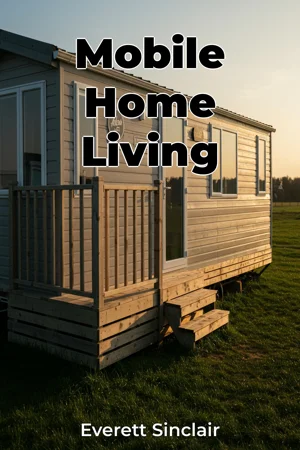
Can a house truly be a home if it's designed for movement? "Mobile Home Living" delves into the evolving world of portable housing, exploring its architectural nuances and the profound ways it impacts lifestyle choices. This book addresses the increasing interest in alternative living arrangements and the convergence of architecture, social science, and the desire for greater personal mobility. The core of this work revolves around three interconnected themes: the architectural design of mobile homes, the sociological implications of choosing a nomadic lifestyle, and the evolving landscape of mobility studies. We investigate how architectural innovations are adapting to meet the demands of a population increasingly drawn to mobile living. The study of these trends is important because it touches on fundamental questions about home, community, and personal freedom in the 21st century. To fully understand modern mobile home living, we examine its historical roots, from early trailers and caravans to today's technologically advanced, eco-friendly designs. We analyze the social and economic factors that drive the adoption of mobile lifestyles, ranging from financial constraints to the pursuit of minimalist and location-independent living. The central argument of "Mobile Home Living" is that portable housing represents a significant shift in our understanding of what constitutes a home. It challenges conventional notions of permanence and rootedness, offering a viable alternative for those seeking flexibility, affordability, and a closer connection with their surroundings. The book is structured into three major sections. The first introduces the concept of mobile living, tracing its historical development and exploring the diverse motivations behind this lifestyle choice. The second section focuses on architectural innovation, featuring case studies of cutting-edge mobile home designs, sustainable materials, and space-saving technologies. The third section examines the social impact of mobile living, looking at community formation, legal and regulatory challenges, and the psychological effects of constant mobility. The evidence presented draws from multiple sources, including architectural plans and designs, sociological surveys and interviews, and statistical data on housing trends and migration patterns. We also incorporate findings from mobility studies, a growing field that examines the movement of people, goods, and information in contemporary society. This book bridges several academic disciplines. It connects to architecture through its analysis of design principles and building technologies and social science through its exploration of social behaviors and societal trends. Further, it engages with environmental studies through its consideration of sustainable living practices. "Mobile Home Living" adopts a balanced and objective tone, presenting both the advantages and challenges of mobile living. It is written in an accessible style, avoiding excessive jargon and using real-world examples to illustrate key concepts. The intended audience includes architects, urban planners, sociologists, and anyone interested in alternative housing options and sustainable lifestyles. The materials presented provide valuable insights for those considering mobile living, as well as for professionals involved in designing and regulating mobile home communities. "Mobile Home Living" acknowledges the complexities and nuances of this subject. While it celebrates the freedom and flexibility offered by mobile living, it also addresses the potential drawbacks, such as social isolation, environmental impact, and regulatory hurdles. Ultimately, "Mobile Home Living" offers a comprehensive overview of portable housing and its impact on individuals and society. It seeks to inform and inspire, empowering readers to make informed decisions about their housing choices and to advocate for policies that support sustainable and equitable mobile living practices. The information presented allows readers to directly assess the feasibility of mobile home living for their own lives, or to better understand the broader implications of this trend.
Can a house truly be a home if it's designed for movement? "Mobile Home Living" delves into the evolving world of portable housing, exploring its architectural nuances and the profound ways it impacts lifestyle choices. This book addresses the increasing interest in alternative living arrangements and the convergence of architecture, social science, and the desire for greater personal mobility. The core of this work revolves around three interconnected themes: the architectural design of mobile homes, the sociological implications of choosing a nomadic lifestyle, and the evolving landscape of mobility studies. We investigate how architectural innovations are adapting to meet the demands of a population increasingly drawn to mobile living. The study of these trends is important because it touches on fundamental questions about home, community, and personal freedom in the 21st century. To fully understand modern mobile home living, we examine its historical roots, from early trailers and caravans to today's technologically advanced, eco-friendly designs. We analyze the social and economic factors that drive the adoption of mobile lifestyles, ranging from financial constraints to the pursuit of minimalist and location-independent living. The central argument of "Mobile Home Living" is that portable housing represents a significant shift in our understanding of what constitutes a home. It challenges conventional notions of permanence and rootedness, offering a viable alternative for those seeking flexibility, affordability, and a closer connection with their surroundings. The book is structured into three major sections. The first introduces the concept of mobile living, tracing its historical development and exploring the diverse motivations behind this lifestyle choice. The second section focuses on architectural innovation, featuring case studies of cutting-edge mobile home designs, sustainable materials, and space-saving technologies. The third section examines the social impact of mobile living, looking at community formation, legal and regulatory challenges, and the psychological effects of constant mobility. The evidence presented draws from multiple sources, including architectural plans and designs, sociological surveys and interviews, and statistical data on housing trends and migration patterns. We also incorporate findings from mobility studies, a growing field that examines the movement of people, goods, and information in contemporary society. This book bridges several academic disciplines. It connects to architecture through its analysis of design principles and building technologies and social science through its exploration of social behaviors and societal trends. Further, it engages with environmental studies through its consideration of sustainable living practices. "Mobile Home Living" adopts a balanced and objective tone, presenting both the advantages and challenges of mobile living. It is written in an accessible style, avoiding excessive jargon and using real-world examples to illustrate key concepts. The intended audience includes architects, urban planners, sociologists, and anyone interested in alternative housing options and sustainable lifestyles. The materials presented provide valuable insights for those considering mobile living, as well as for professionals involved in designing and regulating mobile home communities. "Mobile Home Living" acknowledges the complexities and nuances of this subject. While it celebrates the freedom and flexibility offered by mobile living, it also addresses the potential drawbacks, such as social isolation, environmental impact, and regulatory hurdles. Ultimately, "Mobile Home Living" offers a comprehensive overview of portable housing and its impact on individuals and society. It seeks to inform and inspire, empowering readers to make informed decisions about their housing choices and to advocate for policies that support sustainable and equitable mobile living practices. The information presented allows readers to directly assess the feasibility of mobile home living for their own lives, or to better understand the broader implications of this trend.
"Mobile Home Living" explores the growing trend of portable housing, examining its unique architecture and societal impact. It addresses the increasing interest in alternative living arrangements, such as minimalist living and eco-friendly designs. The book highlights how mobile homes challenge traditional notions of home, offering flexibility and affordability. Discover how mobile living connects to social science through sociological surveys and interviews. The book delves into the historical roots of mobile homes, from early trailers to modern, technologically advanced designs. It analyzes social and economic factors driving the adoption of nomadic lifestyles, including financial constraints and the pursuit of location-independent living. The text progresses from introducing the concept and its history, to showcasing architectural innovations and sustainable materials, and finally examining the social impact of mobile living and its challenges. This book adopts a balanced approach, presenting both the advantages and disadvantages of mobile living while avoiding excessive jargon. By incorporating case studies and real-world examples, the book provides valuable insights for architects, urban planners, sociologists, and individuals considering mobile housing options. It acknowledges the complexities of mobile living, offering a comprehensive overview of its impact on individuals and society.
Book Details
ISBN
9788235212375
Publisher
Publifye AS
Your Licenses
You don't own any licenses for this book
Purchase a license below to unlock this book and download the EPUB.
Purchase License
Select a tier to unlock this book
Need bulk licensing?
Contact us for enterprise agreements.