
About This Book
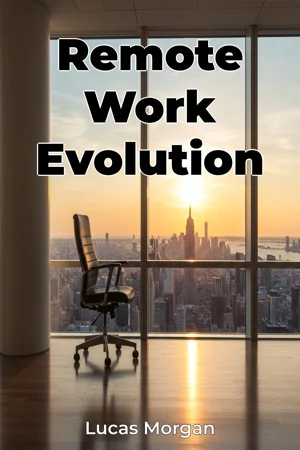
Is remote work a fleeting trend or a permanent restructuring of the employment landscape? "Remote Work Evolution" delves into this critical question, offering a comprehensive analysis of how the shift towards remote work reshapes employment patterns, impacts productivity, and fundamentally alters the relationship between employers and employees. This book examines the evolution of remote work, its present state, and its potential trajectories, providing essential insights for managers, business leaders, career strategists, and anyone interested in the future of work. The book primarily addresses three key topics: the transformation of labor markets driven by remote work adoption, the measurement and maintenance of productivity in remote environments, and the evolving dynamics of employer-employee relationships in a decentralized work model. These areas are paramount because they directly impact organizational efficiency, employee well-being, and the overall economic landscape. Understanding these changes is no longer a luxury but a necessity for navigating the modern business world. "Remote Work Evolution" provides a context for understanding the historical progression of remote work, from early telecommuting initiatives to its current widespread integration. It considers the societal shifts, technological advancements, and economic pressures that have fueled its rise. Readers will gain insights into the different models of remote work, the technologies that enable them, and the challenges associated with their implementation. At its core, this book argues that remote work is not merely a perk but a fundamental restructuring of how work is conceived, organized, and executed. It maintains that embracing a strategic approach to remote work, based on data-driven insights and adaptive management practices, is crucial for organizations aiming to thrive in the 21st century. The central argument underscores the need for a paradigm shift in management thinking, moving from traditional control-based models to trust-based systems that empower employees and foster collaboration in distributed environments. The book unfolds in a structured manner. First, it introduces the core concepts of remote work, defining its various forms and outlining the key challenges and opportunities it presents. The subsequent sections then develop detailed arguments around specific themes, such as optimizing remote team performance by presenting data-driven analyses of labor trends, productivity reports, and case studies. These are supported by research from various fields, including organizational psychology, economics, and technology management. The culmination of the argument emphasizes practical strategies for implementing and managing successful remote work programs. It provides actionable advice for both employers and employees, focusing on topics such as communication protocols, performance evaluation methods, and maintaining a healthy work-life balance. The evidence presented in "Remote Work Evolution" draws from a wide array of sources, including academic research, industry reports, and proprietary surveys. It integrates quantitative data on productivity metrics with qualitative insights from interviews with remote workers and managers. This combination of data sources provides a balanced and nuanced perspective on the complexities of remote work. The book bridges insights from several disciplines, including management science, sociology, and information technology. This interdisciplinary approach offers a holistic understanding of remote work, considering its impact on organizational structures, social dynamics, and technological infrastructure. By connecting these different perspectives, the book provides a more comprehensive and actionable framework for addressing the challenges and opportunities of remote work. What sets "Remote Work Evolution" apart is its data-centric approach coupled with its actionable insights. The book moves beyond theoretical discussions, offering practical strategies that organizations can implement immediately. It presents a balanced view, acknowledging both the benefits and challenges of remote work, and providing guidance on how to mitigate potential risks. The tone of the book is professional yet accessible, aiming to inform and guide readers without overwhelming them with technical jargon. It employs clear and concise language, making complex concepts understandable to a broad audience. This book is targeted towards business leaders, HR professionals, project managers, and individual employees navigating the complexities of remote work. Organizations looking to optimize their remote work strategies will find it particularly valuable, as will individuals seeking to enhance their productivity and career prospects in a remote environment. As a book in the management and career guide genres, "Remote Work Evolution" provides practical advice, case studies, and actionable strategies that readers can implement immediately. It aligns with the expectations of these genres by offering a clear, concise, and informative guide to navigating the world of remote work. While "Remote Work Evolution" offers a broad overview of remote work practices, it focuses primarily on knowledge-based industries. It recognizes that the applicability of remote work varies across different sectors and acknowledges that some professions are inherently less amenable to remote arrangements. The insights from "Remote Work Evolution" can be applied in numerous real-world scenarios, from designing remote work policies to implementing virtual training programs. It equips managers with the tools they need to effectively lead remote teams, and empowers employees to thrive in a distributed work environment. The contentious issues surrounding remote work, such as its impact on team cohesion and the potential for social isolation, are addressed head-on. The book presents different perspectives on these debates, offering evidence-based insights to help readers form their own informed opinions. It encourages readers to critically evaluate the potential benefits and drawbacks of remote work, and to tailor their approach accordingly.
Is remote work a fleeting trend or a permanent restructuring of the employment landscape? "Remote Work Evolution" delves into this critical question, offering a comprehensive analysis of how the shift towards remote work reshapes employment patterns, impacts productivity, and fundamentally alters the relationship between employers and employees. This book examines the evolution of remote work, its present state, and its potential trajectories, providing essential insights for managers, business leaders, career strategists, and anyone interested in the future of work. The book primarily addresses three key topics: the transformation of labor markets driven by remote work adoption, the measurement and maintenance of productivity in remote environments, and the evolving dynamics of employer-employee relationships in a decentralized work model. These areas are paramount because they directly impact organizational efficiency, employee well-being, and the overall economic landscape. Understanding these changes is no longer a luxury but a necessity for navigating the modern business world. "Remote Work Evolution" provides a context for understanding the historical progression of remote work, from early telecommuting initiatives to its current widespread integration. It considers the societal shifts, technological advancements, and economic pressures that have fueled its rise. Readers will gain insights into the different models of remote work, the technologies that enable them, and the challenges associated with their implementation. At its core, this book argues that remote work is not merely a perk but a fundamental restructuring of how work is conceived, organized, and executed. It maintains that embracing a strategic approach to remote work, based on data-driven insights and adaptive management practices, is crucial for organizations aiming to thrive in the 21st century. The central argument underscores the need for a paradigm shift in management thinking, moving from traditional control-based models to trust-based systems that empower employees and foster collaboration in distributed environments. The book unfolds in a structured manner. First, it introduces the core concepts of remote work, defining its various forms and outlining the key challenges and opportunities it presents. The subsequent sections then develop detailed arguments around specific themes, such as optimizing remote team performance by presenting data-driven analyses of labor trends, productivity reports, and case studies. These are supported by research from various fields, including organizational psychology, economics, and technology management. The culmination of the argument emphasizes practical strategies for implementing and managing successful remote work programs. It provides actionable advice for both employers and employees, focusing on topics such as communication protocols, performance evaluation methods, and maintaining a healthy work-life balance. The evidence presented in "Remote Work Evolution" draws from a wide array of sources, including academic research, industry reports, and proprietary surveys. It integrates quantitative data on productivity metrics with qualitative insights from interviews with remote workers and managers. This combination of data sources provides a balanced and nuanced perspective on the complexities of remote work. The book bridges insights from several disciplines, including management science, sociology, and information technology. This interdisciplinary approach offers a holistic understanding of remote work, considering its impact on organizational structures, social dynamics, and technological infrastructure. By connecting these different perspectives, the book provides a more comprehensive and actionable framework for addressing the challenges and opportunities of remote work. What sets "Remote Work Evolution" apart is its data-centric approach coupled with its actionable insights. The book moves beyond theoretical discussions, offering practical strategies that organizations can implement immediately. It presents a balanced view, acknowledging both the benefits and challenges of remote work, and providing guidance on how to mitigate potential risks. The tone of the book is professional yet accessible, aiming to inform and guide readers without overwhelming them with technical jargon. It employs clear and concise language, making complex concepts understandable to a broad audience. This book is targeted towards business leaders, HR professionals, project managers, and individual employees navigating the complexities of remote work. Organizations looking to optimize their remote work strategies will find it particularly valuable, as will individuals seeking to enhance their productivity and career prospects in a remote environment. As a book in the management and career guide genres, "Remote Work Evolution" provides practical advice, case studies, and actionable strategies that readers can implement immediately. It aligns with the expectations of these genres by offering a clear, concise, and informative guide to navigating the world of remote work. While "Remote Work Evolution" offers a broad overview of remote work practices, it focuses primarily on knowledge-based industries. It recognizes that the applicability of remote work varies across different sectors and acknowledges that some professions are inherently less amenable to remote arrangements. The insights from "Remote Work Evolution" can be applied in numerous real-world scenarios, from designing remote work policies to implementing virtual training programs. It equips managers with the tools they need to effectively lead remote teams, and empowers employees to thrive in a distributed work environment. The contentious issues surrounding remote work, such as its impact on team cohesion and the potential for social isolation, are addressed head-on. The book presents different perspectives on these debates, offering evidence-based insights to help readers form their own informed opinions. It encourages readers to critically evaluate the potential benefits and drawbacks of remote work, and to tailor their approach accordingly.
"Remote Work Evolution" explores the profound shift towards decentralized work, examining its impact on employment trends and the employer-employee relationship. It highlights how remote work is not just a perk but a restructuring of how work is conceived and executed. The book delves into the transformation of labor markets, dissects productivity maintenance in remote settings, and analyzes the dynamics of employer-employee interactions in decentralized models. The book progresses systematically, beginning with the core concepts of remote work and then building detailed arguments around key themes. For example, optimizing remote team performance is addressed through data-driven analyses of labor trends and productivity reports. What sets this career guide apart is its data-centric approach combined with actionable strategies, offering practical advice for both employers and employees navigating the complexities of remote work, such as communication protocols and performance evaluation. This book is geared toward business leaders, HR professionals, and employees seeking to thrive in remote environments. It emphasizes the importance of embracing a trust-based system and strategic approach to remote work, supported by data-driven insights. By bridging management science, sociology, and information technology, the book offers a holistic understanding of remote work, making it a valuable resource for anyone interested in the future of work.
Book Details
ISBN
9788235211903
Publisher
Publifye AS
Your Licenses
You don't own any licenses for this book
Purchase a license below to unlock this book and download the EPUB.
Purchase License
Select a tier to unlock this book
Need bulk licensing?
Contact us for enterprise agreements.