
About This Book
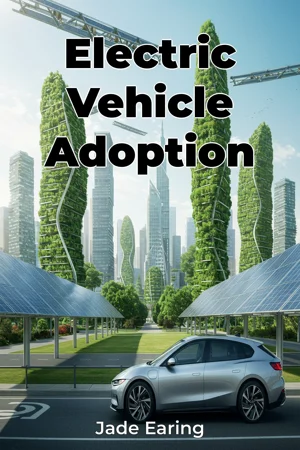
Will electric vehicles truly revolutionize transportation, or are they merely a fleeting trend in the face of a complex global challenge? "Electric Vehicle Adoption" delves into the multifaceted transition toward electric transportation systems, providing a comprehensive analysis of the technological advancements, environmental impacts, and economic considerations driving this paradigm shift. This book addresses the critical need for a balanced understanding of the promises and challenges associated with widespread EV adoption, moving beyond simplistic narratives to offer a nuanced perspective grounded in data and rigorous analysis. This book focuses on three central themes: the technological evolution of electric vehicles, the environmental ramifications of their widespread use, and the economic impacts on consumers and industries. These topics are paramount in understanding the potential of EVs to mitigate climate change, reshape urban landscapes, and transform the automotive industry. The book builds upon decades of research in battery technology, materials science, and renewable energy integration to provide a future-oriented outlook. The book explores the historical context of electric vehicle development, from early prototypes to modern mass-market models. It examines the role of government regulations, technological breakthroughs, and consumer preferences in shaping the current EV landscape. Readers will benefit from a basic understanding of automotive engineering, environmental science, and economic principles, although the book is designed to be accessible to a broad audience. The central argument of "Electric Vehicle Adoption" is that the successful and sustainable transition to electric transportation hinges on a holistic approach that considers technological feasibility, environmental responsibility, and economic viability. This argument is essential because it challenges the prevailing tendency to focus solely on one aspect of EV adoption, such as emissions reduction, while neglecting other critical factors like resource availability and grid capacity. "Electric Vehicle Adoption" is structured to provide a clear and logical progression of ideas. The introduction sets the stage by outlining the current state of the electric vehicle market and highlighting the key drivers of adoption. The subsequent chapters delve into (1) the technological advancements in battery technology, charging infrastructure, and vehicle design, (2) the environmental impacts of EVs, including lifecycle emissions analysis and resource consumption, and (3) the economic implications for consumers, manufacturers, and governments. The book culminates in a synthesis of these themes, offering policy recommendations and projecting future trends. The analysis presented in this book relies on a diverse range of evidence, including automotive industry data, environmental statistics from governmental and international organizations, and economic analyses of EV ownership costs. Proprietary datasets and modeling methodologies are employed to provide original insights into the long-term impacts of electric vehicle adoption. This exposition connects to other fields like urban planning (re-designing cities for EV infrastructure), energy policy (grid stability and renewable integration), and materials science (battery technology and resource availability). These interdisciplinary connections underscore the far-reaching implications of electric vehicle adoption. This book offers a unique perspective by integrating technological, environmental, and economic analyses into a single, comprehensive framework. This approach allows for a more thorough evaluation of the challenges and opportunities associated with electric vehicle adoption than is typically found in existing literature. The tone is factual, analytical, and objective. The writing style aims to be accessible to a broad audience while maintaining academic rigor. "Electric Vehicle Adoption" is targeted toward policymakers, industry professionals, researchers, and environmentally conscious consumers who seek a deeper understanding of the electric vehicle revolution. This book would serve as a valuable resource for anyone involved in shaping the future of transportation. Maintaining the genre conventions of non-fiction, it provides a clear structure, reliable information, and verifiable sources. The scope of the book is limited to light-duty vehicles (cars, trucks, and SUVs) and does not extensively cover other modes of electric transportation, such as buses, trains, or airplanes. This intentional limitation allows for a more in-depth analysis of the most prevalent segment of the transportation sector. The information in this book can be applied in real-world settings by policymakers developing EV incentive programs, manufacturers designing next-generation electric vehicles, and consumers making informed purchasing decisions. The book addresses the ongoing debates surrounding the environmental impacts of battery manufacturing, the ethical sourcing of battery materials, and the long-term sustainability of electric vehicle technology.
Will electric vehicles truly revolutionize transportation, or are they merely a fleeting trend in the face of a complex global challenge? "Electric Vehicle Adoption" delves into the multifaceted transition toward electric transportation systems, providing a comprehensive analysis of the technological advancements, environmental impacts, and economic considerations driving this paradigm shift. This book addresses the critical need for a balanced understanding of the promises and challenges associated with widespread EV adoption, moving beyond simplistic narratives to offer a nuanced perspective grounded in data and rigorous analysis. This book focuses on three central themes: the technological evolution of electric vehicles, the environmental ramifications of their widespread use, and the economic impacts on consumers and industries. These topics are paramount in understanding the potential of EVs to mitigate climate change, reshape urban landscapes, and transform the automotive industry. The book builds upon decades of research in battery technology, materials science, and renewable energy integration to provide a future-oriented outlook. The book explores the historical context of electric vehicle development, from early prototypes to modern mass-market models. It examines the role of government regulations, technological breakthroughs, and consumer preferences in shaping the current EV landscape. Readers will benefit from a basic understanding of automotive engineering, environmental science, and economic principles, although the book is designed to be accessible to a broad audience. The central argument of "Electric Vehicle Adoption" is that the successful and sustainable transition to electric transportation hinges on a holistic approach that considers technological feasibility, environmental responsibility, and economic viability. This argument is essential because it challenges the prevailing tendency to focus solely on one aspect of EV adoption, such as emissions reduction, while neglecting other critical factors like resource availability and grid capacity. "Electric Vehicle Adoption" is structured to provide a clear and logical progression of ideas. The introduction sets the stage by outlining the current state of the electric vehicle market and highlighting the key drivers of adoption. The subsequent chapters delve into (1) the technological advancements in battery technology, charging infrastructure, and vehicle design, (2) the environmental impacts of EVs, including lifecycle emissions analysis and resource consumption, and (3) the economic implications for consumers, manufacturers, and governments. The book culminates in a synthesis of these themes, offering policy recommendations and projecting future trends. The analysis presented in this book relies on a diverse range of evidence, including automotive industry data, environmental statistics from governmental and international organizations, and economic analyses of EV ownership costs. Proprietary datasets and modeling methodologies are employed to provide original insights into the long-term impacts of electric vehicle adoption. This exposition connects to other fields like urban planning (re-designing cities for EV infrastructure), energy policy (grid stability and renewable integration), and materials science (battery technology and resource availability). These interdisciplinary connections underscore the far-reaching implications of electric vehicle adoption. This book offers a unique perspective by integrating technological, environmental, and economic analyses into a single, comprehensive framework. This approach allows for a more thorough evaluation of the challenges and opportunities associated with electric vehicle adoption than is typically found in existing literature. The tone is factual, analytical, and objective. The writing style aims to be accessible to a broad audience while maintaining academic rigor. "Electric Vehicle Adoption" is targeted toward policymakers, industry professionals, researchers, and environmentally conscious consumers who seek a deeper understanding of the electric vehicle revolution. This book would serve as a valuable resource for anyone involved in shaping the future of transportation. Maintaining the genre conventions of non-fiction, it provides a clear structure, reliable information, and verifiable sources. The scope of the book is limited to light-duty vehicles (cars, trucks, and SUVs) and does not extensively cover other modes of electric transportation, such as buses, trains, or airplanes. This intentional limitation allows for a more in-depth analysis of the most prevalent segment of the transportation sector. The information in this book can be applied in real-world settings by policymakers developing EV incentive programs, manufacturers designing next-generation electric vehicles, and consumers making informed purchasing decisions. The book addresses the ongoing debates surrounding the environmental impacts of battery manufacturing, the ethical sourcing of battery materials, and the long-term sustainability of electric vehicle technology.
"Electric Vehicle Adoption" examines the complex shift toward electric transportation, providing a balanced view of its technological advancements, environmental effects, and financial considerations. It moves beyond simple discussions, offering a detailed, data-driven perspective on the promises and problems of widespread EV adoption. Did you know that the book explores how government regulations, technological advancements, and consumer choices have shaped the current electric vehicle market? This book offers a comprehensive analysis of the challenges and possibilities of electric vehicle adoption. The book highlights the technological evolution of electric vehicles, the environmental consequences of their widespread use, and the economic impacts on consumers and businesses. It emphasizes the need for a comprehensive strategy that takes into account technical feasibility, environmental responsibility, and economic viability. The book progresses logically, beginning with an overview of the current EV market and moving into chapters on technological improvements in battery technology, charging infrastructure, and vehicle design. It also addresses the environmental effects of EVs, such as lifecycle emissions analysis and resource consumption, as well as the economic consequences for consumers, manufacturers, and governments.
Book Details
ISBN
9788235211842
Publisher
Publifye AS
Your Licenses
You don't own any licenses for this book
Purchase a license below to unlock this book and download the EPUB.
Purchase License
Select a tier to unlock this book
Need bulk licensing?
Contact us for enterprise agreements.