
About This Book
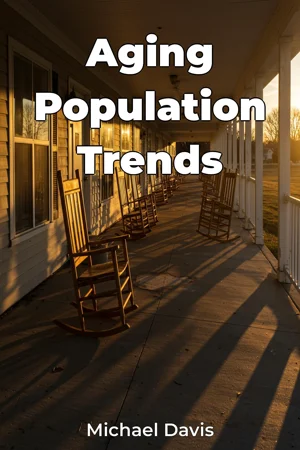
How will societies adapt to a future where the proportion of older adults is unprecedentedly high? "Aging Population Trends" delves into this critical question, examining the broad societal impacts of aging demographics and exploring potential pathways for navigating this demographic shift. This book is essential because understanding the consequences of an aging population is paramount for policymakers, healthcare professionals, and anyone interested in the future of our communities and nations. The core arguments of "Aging Population Trends" revolve around three key themes: economic sustainability, healthcare systems, and social structures. The book argues that the increasing proportion of older adults presents significant challenges to existing economic models, particularly regarding pension systems, labor force participation, and productivity. It also posits that healthcare systems worldwide will face considerable strain due to the rising prevalence of age-related diseases and the increasing demand for long-term care. Finally, the book contends that traditional social structures and support networks will need to adapt to accommodate the needs and expectations of an aging populace. To contextualize these issues, "Aging Population Trends" draws upon historical demographic data, sociological theories of aging, and economic models of growth and development. Understanding basic demographic concepts, such as fertility rates, mortality rates, and age pyramids, is helpful for readers to fully grasp the implications discussed. "Aging Population Trends" uses census data from various countries, longitudinal studies on aging, and economic forecasts to support its arguments. The book also analyzes policy interventions implemented in different nations to mitigate the challenges posed by aging populations. Structurally, the book begins by introducing the global phenomenon of population aging, highlighting regional variations and projecting future trends. It then dedicates individual sections to each of the three core themes: economic sustainability, healthcare systems, and social structures. Each section includes detailed analyses of the challenges, potential solutions, and case studies from different countries. The book connects to several other fields of study, notably economics, sociology, and public health. The economic analysis focuses on the macroeconomic impacts of aging, while the sociological perspective examines the changing roles and relationships of older adults within society. The public health component addresses the prevention and management of age-related diseases, as well as the organization of geriatric care. "Aging Population Trends" adopts a scholarly yet accessible tone, aiming to inform a broad audience without sacrificing academic rigor. The book's value lies in its comprehensive analysis, comparative approach, and data-driven insights, making it a valuable resource for students, researchers, policymakers, and anyone seeking a deeper understanding of the societal implications of an aging world. While the book strives for global coverage, it acknowledges limitations regarding the availability of data and research in certain regions. The insights presented in "Aging Population Trends" have direct real-world applications, informing policy debates on pension reform, healthcare financing, and social welfare programs; in addition to the aforementioned practical applications, the book also explores ongoing debates surrounding topics such as age-based discrimination, the right to healthcare for older adults, and the ethical considerations of extending lifespan. By providing a balanced and evidence-based analysis of these issues, "Aging Population Trends" aims to contribute to a more informed and constructive dialogue about the challenges and opportunities of an aging world.
How will societies adapt to a future where the proportion of older adults is unprecedentedly high? "Aging Population Trends" delves into this critical question, examining the broad societal impacts of aging demographics and exploring potential pathways for navigating this demographic shift. This book is essential because understanding the consequences of an aging population is paramount for policymakers, healthcare professionals, and anyone interested in the future of our communities and nations. The core arguments of "Aging Population Trends" revolve around three key themes: economic sustainability, healthcare systems, and social structures. The book argues that the increasing proportion of older adults presents significant challenges to existing economic models, particularly regarding pension systems, labor force participation, and productivity. It also posits that healthcare systems worldwide will face considerable strain due to the rising prevalence of age-related diseases and the increasing demand for long-term care. Finally, the book contends that traditional social structures and support networks will need to adapt to accommodate the needs and expectations of an aging populace. To contextualize these issues, "Aging Population Trends" draws upon historical demographic data, sociological theories of aging, and economic models of growth and development. Understanding basic demographic concepts, such as fertility rates, mortality rates, and age pyramids, is helpful for readers to fully grasp the implications discussed. "Aging Population Trends" uses census data from various countries, longitudinal studies on aging, and economic forecasts to support its arguments. The book also analyzes policy interventions implemented in different nations to mitigate the challenges posed by aging populations. Structurally, the book begins by introducing the global phenomenon of population aging, highlighting regional variations and projecting future trends. It then dedicates individual sections to each of the three core themes: economic sustainability, healthcare systems, and social structures. Each section includes detailed analyses of the challenges, potential solutions, and case studies from different countries. The book connects to several other fields of study, notably economics, sociology, and public health. The economic analysis focuses on the macroeconomic impacts of aging, while the sociological perspective examines the changing roles and relationships of older adults within society. The public health component addresses the prevention and management of age-related diseases, as well as the organization of geriatric care. "Aging Population Trends" adopts a scholarly yet accessible tone, aiming to inform a broad audience without sacrificing academic rigor. The book's value lies in its comprehensive analysis, comparative approach, and data-driven insights, making it a valuable resource for students, researchers, policymakers, and anyone seeking a deeper understanding of the societal implications of an aging world. While the book strives for global coverage, it acknowledges limitations regarding the availability of data and research in certain regions. The insights presented in "Aging Population Trends" have direct real-world applications, informing policy debates on pension reform, healthcare financing, and social welfare programs; in addition to the aforementioned practical applications, the book also explores ongoing debates surrounding topics such as age-based discrimination, the right to healthcare for older adults, and the ethical considerations of extending lifespan. By providing a balanced and evidence-based analysis of these issues, "Aging Population Trends" aims to contribute to a more informed and constructive dialogue about the challenges and opportunities of an aging world.
"Aging Population Trends" examines the profound societal changes arising from global demographic shifts, where older adults constitute an unprecedented proportion of the population. This book explores challenges to economic sustainability, healthcare systems, and social structures, offering insights vital for policymakers and anyone concerned about the future. Did you know that declining fertility rates in many countries contribute significantly to the aging of populations, impacting the ratio of workers to retirees? Understanding these population trends is crucial for addressing the pressures on pension systems and social welfare programs. The book analyzes these issues using historical data, sociological theories, and economic models. It progresses by first introducing the global phenomenon of population aging and then dedicating sections to economic sustainability, healthcare demands, and evolving social structures. Each section includes detailed analyses, potential solutions, and case studies from various countries. For instance, the book delves into how healthcare systems are increasingly burdened by age-related diseases and the rising demand for geriatric care, necessitating innovative approaches to healthcare financing and delivery. The unique value of "Aging Population Trends" lies in its comprehensive, comparative, and data-driven approach, presenting a balanced analysis of complex issues like age-based discrimination and the ethical considerations of extending lifespan. By connecting economics, sociology, and public health, the book provides a holistic view of the challenges and opportunities presented by an aging world, making it a valuable resource for students, researchers, and policymakers.
Book Details
ISBN
9788235211798
Publisher
Publifye AS
Your Licenses
You don't own any licenses for this book
Purchase a license below to unlock this book and download the EPUB.
Purchase License
Select a tier to unlock this book
Need bulk licensing?
Contact us for enterprise agreements.