
About This Book
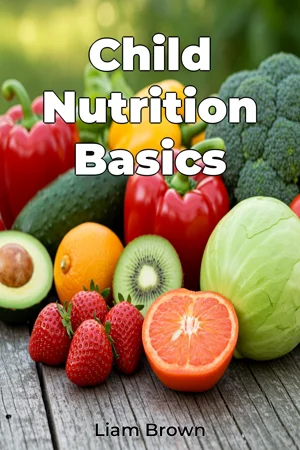
Are you truly equipped to meet the nutritional requirements of your developing child? Understanding these needs is not merely about feeding them; it's about laying the foundation for a lifetime of health and well-being. *Child Nutrition Basics* addresses this critical subject, focusing on two key topics: the evolving dietary requirements from infancy through adolescence, and the practical strategies for ensuring these needs are met within the context of modern lifestyles. These topics are vital because optimal nutrition during childhood directly impacts physical growth, cognitive development, and long-term disease prevention. The book provides context by examining historical feeding trends and their impact on child health, contrasting them with current nutritional science. A basic understanding of macronutrients (proteins, carbohydrates, and fats) and micronutrients (vitamins and minerals) is beneficial, although detailed explanations are provided. The central argument of *Child Nutrition Basics* is that informed and proactive parental involvement in a child’s diet is crucial for optimal development and disease prevention. This book isn't just about conveying information; it's a call to action, empowering parents and caregivers with the knowledge and tools necessary to cultivate healthy eating habits in children. The book is structured into three major parts. First, it introduces the fundamental principles of child nutrition, covering the basics of energy balance, macronutrient requirements, and micronutrient needs at each developmental stage. Second, it delves into specific dietary considerations - from breastfeeding and introducing solids in infancy, to addressing picky eating habits and managing childhood obesity. Each chapter within this section provides practical tips, meal planning advice, and strategies for overcoming common challenges. Third, the book culminates by exploring the long-term implications of childhood nutrition, emphasizing the role of early dietary habits in shaping future health outcomes and disease risk. It also provides actionable strategies for promoting healthy eating habits within families and communities. The information presented is grounded in rigorous nutrition research, drawing heavily on data from reputable sources such as the World Health Organization (WHO), the American Academy of Pediatrics (AAP), and the National Institutes of Health (NIH). The book analyzes observational studies, randomized controlled trials, and meta-analyses to inform its recommendations, providing citations for further exploration. *Child Nutrition Basics* connects to several related fields, including pediatrics, public health, and behavioral psychology. Understanding the psychological factors influencing eating behaviors, for instance, is essential for addressing issues like picky eating and food refusal. The book also integrates principles of public health, considering the social determinants of health and the impact of food policies on child nutrition. The book adopts a balanced, evidence-based approach, presenting information in a clear and accessible manner. It avoids extreme viewpoints and instead focuses on providing practical, actionable advice that can be tailored to individual needs and circumstances. The writing style is conversational yet authoritative, aiming to engage readers without sacrificing scientific accuracy. The target audience is primarily parents, caregivers, and educators who are seeking reliable, evidence-based guidance on child nutrition. This book will be valuable to them because it provides a comprehensive and practical resource for navigating the complexities of feeding children in today's world. As a health and fitness book, *Child Nutrition Basics* emphasizes the importance of a balanced diet and regular physical activity for overall well-being. As a parenting guide, it provides strategies for nurturing healthy eating habits in children. This information is presented in a structured, easy-to-follow format, consistent with the conventions of non-fiction health guides. The scope of the book is limited to nutritional considerations for healthy children, without delving into the complexities of managing specific medical conditions (such as diabetes or food allergies), although it does provide general guidance on identifying potential food sensitivities. Readers can apply the information in this book to create personalized meal plans for their children, develop strategies for addressing picky eating habits, and advocate for healthier food environments within their communities. They can also use the book as a reference for making informed decisions about food choices and supplements. While the general principles of child nutrition are well-established, ongoing debates exist regarding the optimal intake of certain nutrients, the role of dietary supplements, and the effectiveness of various feeding strategies. The book acknowledges these debates and presents different perspectives, encouraging readers to critically evaluate the evidence and make informed decisions based on their individual circumstances.
Are you truly equipped to meet the nutritional requirements of your developing child? Understanding these needs is not merely about feeding them; it's about laying the foundation for a lifetime of health and well-being. *Child Nutrition Basics* addresses this critical subject, focusing on two key topics: the evolving dietary requirements from infancy through adolescence, and the practical strategies for ensuring these needs are met within the context of modern lifestyles. These topics are vital because optimal nutrition during childhood directly impacts physical growth, cognitive development, and long-term disease prevention. The book provides context by examining historical feeding trends and their impact on child health, contrasting them with current nutritional science. A basic understanding of macronutrients (proteins, carbohydrates, and fats) and micronutrients (vitamins and minerals) is beneficial, although detailed explanations are provided. The central argument of *Child Nutrition Basics* is that informed and proactive parental involvement in a child’s diet is crucial for optimal development and disease prevention. This book isn't just about conveying information; it's a call to action, empowering parents and caregivers with the knowledge and tools necessary to cultivate healthy eating habits in children. The book is structured into three major parts. First, it introduces the fundamental principles of child nutrition, covering the basics of energy balance, macronutrient requirements, and micronutrient needs at each developmental stage. Second, it delves into specific dietary considerations - from breastfeeding and introducing solids in infancy, to addressing picky eating habits and managing childhood obesity. Each chapter within this section provides practical tips, meal planning advice, and strategies for overcoming common challenges. Third, the book culminates by exploring the long-term implications of childhood nutrition, emphasizing the role of early dietary habits in shaping future health outcomes and disease risk. It also provides actionable strategies for promoting healthy eating habits within families and communities. The information presented is grounded in rigorous nutrition research, drawing heavily on data from reputable sources such as the World Health Organization (WHO), the American Academy of Pediatrics (AAP), and the National Institutes of Health (NIH). The book analyzes observational studies, randomized controlled trials, and meta-analyses to inform its recommendations, providing citations for further exploration. *Child Nutrition Basics* connects to several related fields, including pediatrics, public health, and behavioral psychology. Understanding the psychological factors influencing eating behaviors, for instance, is essential for addressing issues like picky eating and food refusal. The book also integrates principles of public health, considering the social determinants of health and the impact of food policies on child nutrition. The book adopts a balanced, evidence-based approach, presenting information in a clear and accessible manner. It avoids extreme viewpoints and instead focuses on providing practical, actionable advice that can be tailored to individual needs and circumstances. The writing style is conversational yet authoritative, aiming to engage readers without sacrificing scientific accuracy. The target audience is primarily parents, caregivers, and educators who are seeking reliable, evidence-based guidance on child nutrition. This book will be valuable to them because it provides a comprehensive and practical resource for navigating the complexities of feeding children in today's world. As a health and fitness book, *Child Nutrition Basics* emphasizes the importance of a balanced diet and regular physical activity for overall well-being. As a parenting guide, it provides strategies for nurturing healthy eating habits in children. This information is presented in a structured, easy-to-follow format, consistent with the conventions of non-fiction health guides. The scope of the book is limited to nutritional considerations for healthy children, without delving into the complexities of managing specific medical conditions (such as diabetes or food allergies), although it does provide general guidance on identifying potential food sensitivities. Readers can apply the information in this book to create personalized meal plans for their children, develop strategies for addressing picky eating habits, and advocate for healthier food environments within their communities. They can also use the book as a reference for making informed decisions about food choices and supplements. While the general principles of child nutrition are well-established, ongoing debates exist regarding the optimal intake of certain nutrients, the role of dietary supplements, and the effectiveness of various feeding strategies. The book acknowledges these debates and presents different perspectives, encouraging readers to critically evaluate the evidence and make informed decisions based on their individual circumstances.
*Child Nutrition Basics* delivers essential guidance on meeting the evolving nutritional needs of children, emphasizing that proper nutrition is the bedrock of long-term health and development. The book highlights the crucial role of parents in shaping healthy eating habits, providing practical strategies to navigate the challenges of modern lifestyles. Did you know that optimal childhood nutrition directly impacts physical growth, cognitive abilities, and future disease prevention? The book begins by laying the groundwork with fundamental principles of child nutrition, including macronutrient and micronutrient requirements at different developmental stages. It then progresses to specific dietary considerations, such as introducing solids and managing picky eating, offering actionable tips and meal planning advice. Finally, it explores the long-term implications of childhood nutrition, underscoring the importance of early habits. What sets this book apart is its balanced, evidence-based approach, drawing from reputable sources like WHO and AAP. It empowers parents with the knowledge to cultivate healthy eating habits, address childhood obesity, and promote overall child health. This parenting guide offers a structured path to understanding pediatric nutrition, making it an invaluable resource for raising healthy, well-nourished children.
Book Details
ISBN
9788235211446
Publisher
Publifye AS
Your Licenses
You don't own any licenses for this book
Purchase a license below to unlock this book and download the EPUB.
Purchase License
Select a tier to unlock this book
Need bulk licensing?
Contact us for enterprise agreements.