
About This Book
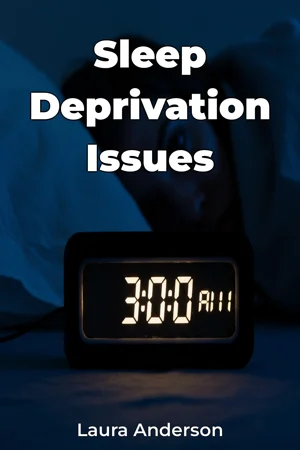
Are youth in the modern era getting enough sleep, and what are the repercussions of this deficit on their developing minds and bodies? "Sleep Deprivation Issues" delves into the pervasive problem of insufficient sleep among young people, examining its underlying causes and far-reaching consequences. This book addresses two critical topics: the biological and environmental factors contributing to sleep loss in youth, and the broad spectrum of physical, psychological, and academic detriments associated with chronic sleep deprivation. These themes are explored in depth due to their undeniable impact on the health, well-being, and future prospects of young individuals. The context for this discussion lies in a society increasingly characterized by academic pressures, ubiquitous technology, and demanding extracurricular schedules. Understanding the interplay between these modern stressors and the biological needs of developing brains is crucial. Prior knowledge of basic sleep cycles and adolescent development is helpful, but not essential, as these fundamentals are reviewed early in the text. The central argument of "Sleep Deprivation Issues" is that chronic sleep deprivation represents a significant public health concern for youth, undermining their cognitive function, emotional stability, and physical health, ultimately hindering their potential. This argument is vital because it challenges the normalization of sleep-deprived lifestyles and advocates for systemic changes to prioritize sleep health. The book is structured to first introduce the fundamentals of sleep science and adolescent sleep patterns. It then develops the core argument through three major sections. First, it explores the causes of sleep deprivation in youth, including biological factors like delayed sleep phase syndrome, as well as environmental and behavioral factors such as screen time, caffeine consumption, and academic stress. Second, it examines the consequences of sleep deprivation on physical health, focusing on links to obesity, weakened immune systems, and increased risk of accidents. Next, the impact of sleep deprivation on mental health and academic performance is analyzed, exploring the associations with depression, anxiety, attention deficits, and impaired learning. The book culminates by proposing evidence-based interventions and strategies for improving sleep habits in youth, targeting individuals, families, schools, and communities. Practical applications of this research, such as implementing later school start times and promoting sleep hygiene education, are discussed. The evidence presented is drawn from a wide range of sources, including sleep studies published in peer-reviewed journals, epidemiological data from national health reports, and clinical case studies. The book integrates findings from neuroscience, psychology, and education to provide a holistic understanding of the issue. "Sleep Deprivation Issues" connects to other fields such as public health, education, and technology, as well as medicine. The book's innovative approach lies in its comprehensive examination of sleep deprivation through a multi-disciplinary lens, integrating biological, psychological, and social perspectives. It avoids sensationalism, instead adopting a fact-based, accessible tone suitable for a broad audience. The intended readership includes parents, educators, healthcare professionals, policymakers, and anyone interested in the well-being of young people. This book offers valuable insights and practical guidance for understanding and addressing the pervasive issue of sleep deprivation in youth. As a work in the genres Psychology, Health & Fitness, and Health Fitness, "Sleep Deprivation Issues" is grounded in scientific research and emphasizes practical strategies for improving health outcomes. The book's scope is limited to sleep deprivation issues in populations generally between 10-25 years of age, with considerations of potential sleep disorders, but not a comprehensive clinical guide to them. The information contained within can be applied to improve individual sleep habits, inform school policies, and guide public health initiatives aimed at promoting sleep health among youth. While the detrimental effects of sleep deprivation are widely acknowledged, the book delves into the nuances of ongoing debates about the most effective interventions and the role of societal factors in perpetuating sleep-deprived lifestyles. The goal is to empower readers with the knowledge and tools to advocate for change and prioritize sleep health in their communities.
Are youth in the modern era getting enough sleep, and what are the repercussions of this deficit on their developing minds and bodies? "Sleep Deprivation Issues" delves into the pervasive problem of insufficient sleep among young people, examining its underlying causes and far-reaching consequences. This book addresses two critical topics: the biological and environmental factors contributing to sleep loss in youth, and the broad spectrum of physical, psychological, and academic detriments associated with chronic sleep deprivation. These themes are explored in depth due to their undeniable impact on the health, well-being, and future prospects of young individuals. The context for this discussion lies in a society increasingly characterized by academic pressures, ubiquitous technology, and demanding extracurricular schedules. Understanding the interplay between these modern stressors and the biological needs of developing brains is crucial. Prior knowledge of basic sleep cycles and adolescent development is helpful, but not essential, as these fundamentals are reviewed early in the text. The central argument of "Sleep Deprivation Issues" is that chronic sleep deprivation represents a significant public health concern for youth, undermining their cognitive function, emotional stability, and physical health, ultimately hindering their potential. This argument is vital because it challenges the normalization of sleep-deprived lifestyles and advocates for systemic changes to prioritize sleep health. The book is structured to first introduce the fundamentals of sleep science and adolescent sleep patterns. It then develops the core argument through three major sections. First, it explores the causes of sleep deprivation in youth, including biological factors like delayed sleep phase syndrome, as well as environmental and behavioral factors such as screen time, caffeine consumption, and academic stress. Second, it examines the consequences of sleep deprivation on physical health, focusing on links to obesity, weakened immune systems, and increased risk of accidents. Next, the impact of sleep deprivation on mental health and academic performance is analyzed, exploring the associations with depression, anxiety, attention deficits, and impaired learning. The book culminates by proposing evidence-based interventions and strategies for improving sleep habits in youth, targeting individuals, families, schools, and communities. Practical applications of this research, such as implementing later school start times and promoting sleep hygiene education, are discussed. The evidence presented is drawn from a wide range of sources, including sleep studies published in peer-reviewed journals, epidemiological data from national health reports, and clinical case studies. The book integrates findings from neuroscience, psychology, and education to provide a holistic understanding of the issue. "Sleep Deprivation Issues" connects to other fields such as public health, education, and technology, as well as medicine. The book's innovative approach lies in its comprehensive examination of sleep deprivation through a multi-disciplinary lens, integrating biological, psychological, and social perspectives. It avoids sensationalism, instead adopting a fact-based, accessible tone suitable for a broad audience. The intended readership includes parents, educators, healthcare professionals, policymakers, and anyone interested in the well-being of young people. This book offers valuable insights and practical guidance for understanding and addressing the pervasive issue of sleep deprivation in youth. As a work in the genres Psychology, Health & Fitness, and Health Fitness, "Sleep Deprivation Issues" is grounded in scientific research and emphasizes practical strategies for improving health outcomes. The book's scope is limited to sleep deprivation issues in populations generally between 10-25 years of age, with considerations of potential sleep disorders, but not a comprehensive clinical guide to them. The information contained within can be applied to improve individual sleep habits, inform school policies, and guide public health initiatives aimed at promoting sleep health among youth. While the detrimental effects of sleep deprivation are widely acknowledged, the book delves into the nuances of ongoing debates about the most effective interventions and the role of societal factors in perpetuating sleep-deprived lifestyles. The goal is to empower readers with the knowledge and tools to advocate for change and prioritize sleep health in their communities.
"Sleep Deprivation Issues" explores the widespread problem of insufficient sleep among young people and its effects on their developing minds and bodies. The book highlights how academic pressures and technology contribute to sleep loss, impacting cognitive function, emotional stability, and physical health. Did you know that chronic sleep deprivation can weaken the immune system and increase the risk of accidents? The book argues that this sleep deficit is a significant public health concern, challenging the normalization of sleep-deprived lifestyles. The book begins with sleep science fundamentals and adolescent sleep patterns. It then examines the causes of sleep deprivation, like screen time and academic stress, followed by the consequences on physical and mental health, including links to obesity, depression, and impaired learning. Interventions and strategies for improving sleep habits are proposed, targeting individuals, families, schools, and communities. Ultimately, the book aims to provide practical guidance and promote sleep hygiene for a broad audience interested in psychology, health, and fitness.
Book Details
ISBN
9788235211316
Publisher
Publifye AS
Your Licenses
You don't own any licenses for this book
Purchase a license below to unlock this book and download the EPUB.
Purchase License
Select a tier to unlock this book
Need bulk licensing?
Contact us for enterprise agreements.