
About This Book
Is the digital realm of gaming a force for connection or isolation in the lives of today's youth? This book, "Gaming Culture Impact," delves into the multifaceted role of video games in adolescent socialization and its connection with mental well-being, aiming to provide a balanced and informed perspective on a topic often viewed through polarized lenses. Two central concepts explored are the formation of social bonds within gaming communities and the potential impacts, both positive and negative, on the psychological health of young gamers. These are critically important as digital interactions increasingly shape social development To understand the complex relationship between gaming and youth, we must first acknowledge the pervasive presence of video games in modern society. The gaming industry has grown exponentially, now representing a significant form of entertainment and social interaction for young people. This book provides a comprehensive overview of this landscape, drawing from statistical data on gaming habits and demographics, alongside established psychological research on social development, motivation, and addiction. A foundational knowledge of adolescent psychology and basic statistics is beneficial but not required, as key concepts are clearly explained. The central argument of this book posits that gaming culture is neither inherently beneficial nor detrimental but rather a complex environment with the potential for both positive social development and negative psychological impacts, dependent on individual factors, game design, and societal context. This nuance is important as generalizations can lead to ineffective or even harmful approaches to managing gaming habits. The book is structured to introduce the reader to the key concepts, then systematically explore the relevant issues. Initially, the evolution of gaming culture and its intersection with youth identity are examined. Following that, the formation of online communities and social relationships within games is analyzed, and the positive aspects of gaming, such as teamwork, problem-solving, and creative expression, are discussed. Next, the book addresses the potential negative impacts of excessive gaming, including addiction, social isolation, and mental health concerns. Data from psychological studies and surveys are presented to illustrate these points. Finally, the book culminates with a discussion of practical strategies for promoting healthy gaming habits and mitigating potential risks, offering advice for parents, educators, and young gamers themselves. The evidence presented will be drawn from a variety of sources, including industry reports, academic journals, and original survey data collected from young gamers. The book integrates insights from psychology, sociology, and media studies, highlighting the interdisciplinary nature of gaming culture. The fields of education and public health are also relevant as practical applications of the book's findings are discussed. This book stands out by taking a balanced and empirically grounded approach to a highly debated topic. Rather than demonizing gaming or blindly celebrating its virtues, it offers a nuanced perspective informed by both quantitative data and qualitative insights. The writing style is accessible and engaging, aiming to appeal to a broad audience. The target audience includes parents, educators, mental health professionals, and anyone interested in understanding the role of video games in the lives of young people. It offers valuable information for those seeking to promote healthy gaming habits and address potential risks. As a work of social science and psychology, this book strives for objectivity and evidence-based analysis. The scope of this book is limited to the impact of gaming on youth socialization and mental health, primarily focusing on adolescents and young adults. While the book acknowledges the broader cultural and economic implications of the gaming industry, its primary focus remains on the individual and social experiences of young gamers. The information presented can be applied practically to develop interventions aimed at preventing gaming addiction, promoting responsible gaming habits, and fostering positive social interactions within gaming communities. The book also addresses ongoing debates surrounding the potential link between violent video games and aggressive behavior, providing a critical analysis of the available evidence.
Is the digital realm of gaming a force for connection or isolation in the lives of today's youth? This book, "Gaming Culture Impact," delves into the multifaceted role of video games in adolescent socialization and its connection with mental well-being, aiming to provide a balanced and informed perspective on a topic often viewed through polarized lenses. Two central concepts explored are the formation of social bonds within gaming communities and the potential impacts, both positive and negative, on the psychological health of young gamers. These are critically important as digital interactions increasingly shape social development To understand the complex relationship between gaming and youth, we must first acknowledge the pervasive presence of video games in modern society. The gaming industry has grown exponentially, now representing a significant form of entertainment and social interaction for young people. This book provides a comprehensive overview of this landscape, drawing from statistical data on gaming habits and demographics, alongside established psychological research on social development, motivation, and addiction. A foundational knowledge of adolescent psychology and basic statistics is beneficial but not required, as key concepts are clearly explained. The central argument of this book posits that gaming culture is neither inherently beneficial nor detrimental but rather a complex environment with the potential for both positive social development and negative psychological impacts, dependent on individual factors, game design, and societal context. This nuance is important as generalizations can lead to ineffective or even harmful approaches to managing gaming habits. The book is structured to introduce the reader to the key concepts, then systematically explore the relevant issues. Initially, the evolution of gaming culture and its intersection with youth identity are examined. Following that, the formation of online communities and social relationships within games is analyzed, and the positive aspects of gaming, such as teamwork, problem-solving, and creative expression, are discussed. Next, the book addresses the potential negative impacts of excessive gaming, including addiction, social isolation, and mental health concerns. Data from psychological studies and surveys are presented to illustrate these points. Finally, the book culminates with a discussion of practical strategies for promoting healthy gaming habits and mitigating potential risks, offering advice for parents, educators, and young gamers themselves. The evidence presented will be drawn from a variety of sources, including industry reports, academic journals, and original survey data collected from young gamers. The book integrates insights from psychology, sociology, and media studies, highlighting the interdisciplinary nature of gaming culture. The fields of education and public health are also relevant as practical applications of the book's findings are discussed. This book stands out by taking a balanced and empirically grounded approach to a highly debated topic. Rather than demonizing gaming or blindly celebrating its virtues, it offers a nuanced perspective informed by both quantitative data and qualitative insights. The writing style is accessible and engaging, aiming to appeal to a broad audience. The target audience includes parents, educators, mental health professionals, and anyone interested in understanding the role of video games in the lives of young people. It offers valuable information for those seeking to promote healthy gaming habits and address potential risks. As a work of social science and psychology, this book strives for objectivity and evidence-based analysis. The scope of this book is limited to the impact of gaming on youth socialization and mental health, primarily focusing on adolescents and young adults. While the book acknowledges the broader cultural and economic implications of the gaming industry, its primary focus remains on the individual and social experiences of young gamers. The information presented can be applied practically to develop interventions aimed at preventing gaming addiction, promoting responsible gaming habits, and fostering positive social interactions within gaming communities. The book also addresses ongoing debates surrounding the potential link between violent video games and aggressive behavior, providing a critical analysis of the available evidence.
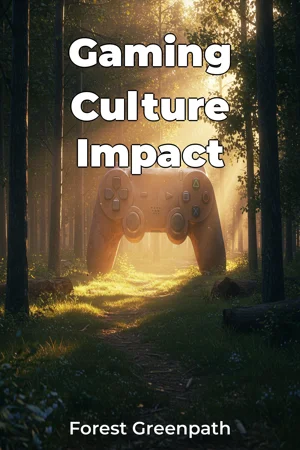
"Gaming Culture Impact" explores the complex relationship between video games and the social and psychological well-being of today's youth. This book examines how gaming culture influences adolescent psychology, focusing on both the positive and negative impacts of video games. It acknowledges that the digital realm can foster connection through online communities, yet also carries risks like gaming addiction and social isolation. A key insight is that the effects of gaming aren't inherently good or bad but depend on individual factors and the broader social context. The book offers a balanced perspective, moving beyond polarized views to present an empirically grounded analysis. Beginning with the evolution of gaming culture, it systematically explores topics such as the formation of social bonds within games, the potential for teamwork and creative expression, and the risks of excessive gaming. Psychological studies and surveys illustrate these points, providing a comprehensive overview of the gaming impact. Ultimately, "Gaming Culture Impact" aims to equip parents, educators, and mental health professionals with strategies for promoting healthy gaming habits and mitigating potential risks. It analyzes ongoing debates, such as the link between violent games and aggression, providing a nuanced, evidence-based understanding of this pervasive aspect of modern youth culture.
Book Details
ISBN
9788235211279
Publisher
Publifye AS
Your Licenses
You don't own any licenses for this book
Purchase a license below to unlock this book and download the EPUB.
Purchase License
Select a tier to unlock this book
Need bulk licensing?
Contact us for enterprise agreements.