
About This Book
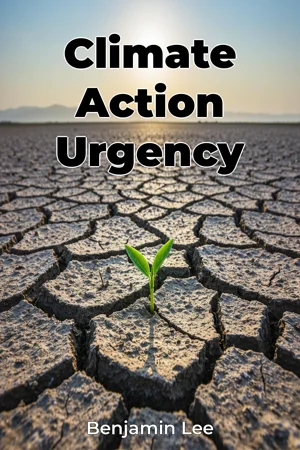
Are youth-led climate initiatives truly effective, or are they merely symbolic gestures in the face of an escalating global crisis? "Climate Action Urgency" delves into the multifaceted landscape of youth engagement in climate action, providing a rigorous analysis of its impacts and potential. This book explores the crucial intersection of environmental data and youth activism, examining whether these efforts are translating into substantive change. This book centers around three core themes: the analytical assessment of environmental data to understand climate change impacts; the documented realities of youth climate activism; and the tangible outcomes of youth-led initiatives. These topics are vital because they expose the gap between awareness and effective action, particularly as younger generations inherit a rapidly changing world. Understanding the nuances of youth engagement is also crucial for policymakers, educators, and other stakeholders in developing effective climate solutions. To contextualize the current wave of youth activism, "Climate Action Urgency" provides a historical overview of environmental movements, tracing the evolution of youth involvement from the late 20th century to the present day. It examines seminal environmental policies and events that have shaped the current climate crisis, highlighting how younger generations have responded to perceived failures of past approaches. Readers will gain an understanding of basic climate science principles, policy frameworks, and economic considerations relevant to climate action. The central argument of "Climate Action Urgency" posits that while youth-led climate activism has significantly raised awareness and shifted public discourse, its effectiveness in achieving measurable environmental improvements remains inconsistent and requires critical evaluation. The book emphasizes the need to move beyond symbolic actions towards evidence-based strategies that yield verifiable results. The book unfolds in several stages: First, it introduces the core concepts of climate change and the role of youth in environmental movements. Then, the book analyzes the historical context to evaluate the current state of youth-led initiatives. The subsequent sections present case studies of diverse youth-led climate projects from around the world, categorized by their specific focus areas such as renewable energy advocacy, sustainable agriculture, or conservation efforts. Each case study is critically assessed, drawing on environmental data and activism records to determine the actual impact. Finally, the book synthesizes the findings, presenting a comprehensive analysis, and concludes offering practical recommendations for enhancing the effectiveness of youth-led climate action. The evidence presented in this book is derived from a wide range of sources, including peer-reviewed scientific publications, government reports, and data from environmental monitoring agencies. It also incorporates primary data gathered from interviews with youth activists, surveys, and on-site observations of climate action projects. Activism records, including event attendance, social media engagement metrics, and policy advocacy outcomes, are used to quantify the reach and influence of youth-led campaigns. "Climate Action Urgency" also makes several interdisciplinary connections. First, it draws on sociology to understand the social dynamics of youth movements and their impact on public opinion. Second, it engages with political science to analyze the effectiveness of youth advocacy in shaping climate policies. Third, it incorporates economic perspectives to assess the financial viability and scalability of youth-led green initiatives. This book distinguishes itself by its rigorous, data-driven approach to evaluating youth-led climate action. It moves beyond anecdotal evidence and sentimental appeals to provide a nuanced, evidence-based assessment of what works, what doesn't, and why. The tone of "Climate Action Urgency" is fact-based and analytical, but accessible to a broad audience. While grounded in scientific research, the writing style avoids overly technical jargon, aiming to engage readers from diverse backgrounds and levels of expertise. The target audience includes students, researchers, policymakers, educators, and anyone interested in understanding the complexities of climate action. It will be of particular value to those seeking evidence-based insights into the role of youth in addressing the climate crisis. As a book in the 'Current Events' and 'Environment' genres, it is expected to provide an up-to-date, objective, and well-researched analysis of a pressing global issue. The scope of "Climate Action Urgency" is global, encompassing case studies and data from various regions and contexts. However, it primarily focuses on initiatives in democratic societies with relatively transparent data collection practices. It does not delve deeply into the psychological factors driving individual climate activism, but rather focuses on the collective impact of youth-led initiatives. The insights of this book have practical applications for youth activists seeking to maximize their impact, for policymakers aiming to design effective climate policies, and for educators looking to empower students to become effective agents of change. "Climate Action Urgency" also addresses ongoing debates about the role of youth in climate action, including questions around tokenism, performative activism, and the potential for youth-led initiatives to distract from systemic changes needed to address the climate crisis. By providing a nuanced analysis based on empirical evidence, the book aims to contribute to a more informed and productive dialogue about the best ways to address the climate crisis.
Are youth-led climate initiatives truly effective, or are they merely symbolic gestures in the face of an escalating global crisis? "Climate Action Urgency" delves into the multifaceted landscape of youth engagement in climate action, providing a rigorous analysis of its impacts and potential. This book explores the crucial intersection of environmental data and youth activism, examining whether these efforts are translating into substantive change. This book centers around three core themes: the analytical assessment of environmental data to understand climate change impacts; the documented realities of youth climate activism; and the tangible outcomes of youth-led initiatives. These topics are vital because they expose the gap between awareness and effective action, particularly as younger generations inherit a rapidly changing world. Understanding the nuances of youth engagement is also crucial for policymakers, educators, and other stakeholders in developing effective climate solutions. To contextualize the current wave of youth activism, "Climate Action Urgency" provides a historical overview of environmental movements, tracing the evolution of youth involvement from the late 20th century to the present day. It examines seminal environmental policies and events that have shaped the current climate crisis, highlighting how younger generations have responded to perceived failures of past approaches. Readers will gain an understanding of basic climate science principles, policy frameworks, and economic considerations relevant to climate action. The central argument of "Climate Action Urgency" posits that while youth-led climate activism has significantly raised awareness and shifted public discourse, its effectiveness in achieving measurable environmental improvements remains inconsistent and requires critical evaluation. The book emphasizes the need to move beyond symbolic actions towards evidence-based strategies that yield verifiable results. The book unfolds in several stages: First, it introduces the core concepts of climate change and the role of youth in environmental movements. Then, the book analyzes the historical context to evaluate the current state of youth-led initiatives. The subsequent sections present case studies of diverse youth-led climate projects from around the world, categorized by their specific focus areas such as renewable energy advocacy, sustainable agriculture, or conservation efforts. Each case study is critically assessed, drawing on environmental data and activism records to determine the actual impact. Finally, the book synthesizes the findings, presenting a comprehensive analysis, and concludes offering practical recommendations for enhancing the effectiveness of youth-led climate action. The evidence presented in this book is derived from a wide range of sources, including peer-reviewed scientific publications, government reports, and data from environmental monitoring agencies. It also incorporates primary data gathered from interviews with youth activists, surveys, and on-site observations of climate action projects. Activism records, including event attendance, social media engagement metrics, and policy advocacy outcomes, are used to quantify the reach and influence of youth-led campaigns. "Climate Action Urgency" also makes several interdisciplinary connections. First, it draws on sociology to understand the social dynamics of youth movements and their impact on public opinion. Second, it engages with political science to analyze the effectiveness of youth advocacy in shaping climate policies. Third, it incorporates economic perspectives to assess the financial viability and scalability of youth-led green initiatives. This book distinguishes itself by its rigorous, data-driven approach to evaluating youth-led climate action. It moves beyond anecdotal evidence and sentimental appeals to provide a nuanced, evidence-based assessment of what works, what doesn't, and why. The tone of "Climate Action Urgency" is fact-based and analytical, but accessible to a broad audience. While grounded in scientific research, the writing style avoids overly technical jargon, aiming to engage readers from diverse backgrounds and levels of expertise. The target audience includes students, researchers, policymakers, educators, and anyone interested in understanding the complexities of climate action. It will be of particular value to those seeking evidence-based insights into the role of youth in addressing the climate crisis. As a book in the 'Current Events' and 'Environment' genres, it is expected to provide an up-to-date, objective, and well-researched analysis of a pressing global issue. The scope of "Climate Action Urgency" is global, encompassing case studies and data from various regions and contexts. However, it primarily focuses on initiatives in democratic societies with relatively transparent data collection practices. It does not delve deeply into the psychological factors driving individual climate activism, but rather focuses on the collective impact of youth-led initiatives. The insights of this book have practical applications for youth activists seeking to maximize their impact, for policymakers aiming to design effective climate policies, and for educators looking to empower students to become effective agents of change. "Climate Action Urgency" also addresses ongoing debates about the role of youth in climate action, including questions around tokenism, performative activism, and the potential for youth-led initiatives to distract from systemic changes needed to address the climate crisis. By providing a nuanced analysis based on empirical evidence, the book aims to contribute to a more informed and productive dialogue about the best ways to address the climate crisis.
"Climate Action Urgency" examines the effectiveness of youth-led initiatives in combating climate change, moving beyond awareness to analyze tangible environmental impact. Youth activism has significantly raised awareness, yet the book questions whether these efforts translate into measurable improvements. It provides a historical overview of environmental movements and examines seminal environmental policies, offering an understanding of climate science principles and policy frameworks. The book employs a data-driven approach, using environmental data and activism records to assess the real-world impact of youth-led projects. Case studies are categorized by focus areas such as renewable energy and sustainable agriculture, each critically evaluated. It also addresses debates around tokenism and the need for systemic change, providing evidence-based insights into the role of youth in addressing the climate crisis. The book progresses by first introducing core concepts and the role of youth, then analyzing historical context. Subsequent sections present case studies of diverse youth-led climate projects, culminating in a comprehensive analysis with practical recommendations. This approach distinguishes the book by offering a nuanced, evidence-based assessment suitable for students, researchers, policymakers, and anyone interested in understanding the complexities of climate action and environmental policy.
Book Details
ISBN
9788235211217
Publisher
Publifye AS
Your Licenses
You don't own any licenses for this book
Purchase a license below to unlock this book and download the EPUB.
Purchase License
Select a tier to unlock this book
Need bulk licensing?
Contact us for enterprise agreements.