
About This Book
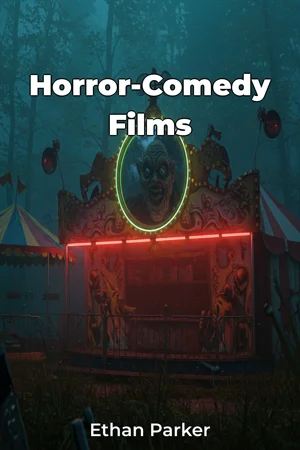
Why do we laugh when we're scared? This book, "Horror-Comedy Films," delves into the increasingly popular and commercially successful genre of horror-comedy, exploring the unique blend of fear and humor that captivates audiences. We examine the evolution of this hybrid genre, its appeal, and its significance within the broader landscape of film and television. The book’s core argument posits that the rise of horror-comedy reflects a societal coping mechanism, allowing viewers to process anxieties and fears through the dual lenses of terror and levity. This study is crucial because it not only analyzes a significant trend in contemporary cinema but also sheds light on cultural attitudes towards fear, death, and the grotesque. We explore how horror-comedy provides a safe space for audiences to confront uncomfortable truths and challenge societal norms. We provide historical context, tracing the origins of horror-comedy back to its literary roots and its early manifestations in film, establishing a foundation for understanding its contemporary form. No prior knowledge is strictly required, however, a general familiarity with film history and genre conventions will be beneficial. The book is structured to provide a comprehensive overview of the subject. First, it introduces the core concepts of horror and comedy, separately and then in tandem, defining the key elements that contribute to the hybrid genre. It then develops these ideas across three major points: the historical evolution of horror-comedy, the thematic elements that define the genre, and the audience reception and cultural impact of these films. The book culminates by arguing that horror-comedy provides a valuable cultural service, allowing for catharsis and social commentary in an accessible and entertaining format. Finally, it explores the practical implications for filmmakers, offering insights into the successful creation and marketing of horror-comedy films. To support these arguments, the book presents a wealth of evidence, including box office data demonstrating the financial viability of the genre, critical reviews analyzing the artistic merit of specific films, and audience surveys gauging the reception of horror-comedy tropes and themes. We utilize a mixed-methods approach, combining quantitative analysis of box office figures with qualitative analysis of critical and audience responses. The genre makes connections to other academic fields, such as sociology (examining cultural anxieties), psychology (exploring the appeal of fear and humor), and media studies (analyzing genre conventions and audience reception). These interdisciplinary connections enrich the book's argument by providing a more holistic understanding of the phenomenon. This book offers a unique perspective by focusing on the cultural significance of horror-comedy, moving beyond simple genre classification to explore its role in shaping societal attitudes and values. The tone is academic yet accessible, aiming to engage both scholars and enthusiasts of film and television. The target audience includes film students, scholars, and fans of horror and comedy genres. This book would be valuable to them because it offers a comprehensive and insightful analysis of a popular and culturally relevant film trend. As a non-fiction work within the film studies genre, this book adheres to conventions of academic rigor, including thorough research, clear argumentation, and proper citation of sources. The scope of the book is intentionally broad, covering a wide range of horror-comedy films from various time periods and cultural contexts. However, the focus remains primarily on films produced in the United States and Europe, with limited attention given to horror-comedy films from other regions. The information presented has practical applications for filmmakers, screenwriters, and anyone interested in the film industry. It offers insights into the marketability of horror-comedy films, the key elements that contribute to their success, and the potential for using the genre to explore complex social and political issues. The book also addresses ongoing debates within the film studies community regarding the artistic merit and cultural impact of horror-comedy films, presenting a balanced and nuanced perspective.
Why do we laugh when we're scared? This book, "Horror-Comedy Films," delves into the increasingly popular and commercially successful genre of horror-comedy, exploring the unique blend of fear and humor that captivates audiences. We examine the evolution of this hybrid genre, its appeal, and its significance within the broader landscape of film and television. The book’s core argument posits that the rise of horror-comedy reflects a societal coping mechanism, allowing viewers to process anxieties and fears through the dual lenses of terror and levity. This study is crucial because it not only analyzes a significant trend in contemporary cinema but also sheds light on cultural attitudes towards fear, death, and the grotesque. We explore how horror-comedy provides a safe space for audiences to confront uncomfortable truths and challenge societal norms. We provide historical context, tracing the origins of horror-comedy back to its literary roots and its early manifestations in film, establishing a foundation for understanding its contemporary form. No prior knowledge is strictly required, however, a general familiarity with film history and genre conventions will be beneficial. The book is structured to provide a comprehensive overview of the subject. First, it introduces the core concepts of horror and comedy, separately and then in tandem, defining the key elements that contribute to the hybrid genre. It then develops these ideas across three major points: the historical evolution of horror-comedy, the thematic elements that define the genre, and the audience reception and cultural impact of these films. The book culminates by arguing that horror-comedy provides a valuable cultural service, allowing for catharsis and social commentary in an accessible and entertaining format. Finally, it explores the practical implications for filmmakers, offering insights into the successful creation and marketing of horror-comedy films. To support these arguments, the book presents a wealth of evidence, including box office data demonstrating the financial viability of the genre, critical reviews analyzing the artistic merit of specific films, and audience surveys gauging the reception of horror-comedy tropes and themes. We utilize a mixed-methods approach, combining quantitative analysis of box office figures with qualitative analysis of critical and audience responses. The genre makes connections to other academic fields, such as sociology (examining cultural anxieties), psychology (exploring the appeal of fear and humor), and media studies (analyzing genre conventions and audience reception). These interdisciplinary connections enrich the book's argument by providing a more holistic understanding of the phenomenon. This book offers a unique perspective by focusing on the cultural significance of horror-comedy, moving beyond simple genre classification to explore its role in shaping societal attitudes and values. The tone is academic yet accessible, aiming to engage both scholars and enthusiasts of film and television. The target audience includes film students, scholars, and fans of horror and comedy genres. This book would be valuable to them because it offers a comprehensive and insightful analysis of a popular and culturally relevant film trend. As a non-fiction work within the film studies genre, this book adheres to conventions of academic rigor, including thorough research, clear argumentation, and proper citation of sources. The scope of the book is intentionally broad, covering a wide range of horror-comedy films from various time periods and cultural contexts. However, the focus remains primarily on films produced in the United States and Europe, with limited attention given to horror-comedy films from other regions. The information presented has practical applications for filmmakers, screenwriters, and anyone interested in the film industry. It offers insights into the marketability of horror-comedy films, the key elements that contribute to their success, and the potential for using the genre to explore complex social and political issues. The book also addresses ongoing debates within the film studies community regarding the artistic merit and cultural impact of horror-comedy films, presenting a balanced and nuanced perspective.
"Horror-Comedy Films" explores the increasingly popular genre that blends fear and humor, examining why audiences are drawn to this unique cinematic mix. The book argues that horror-comedy serves as a societal coping mechanism, allowing viewers to confront anxieties through both terror and laughter. Delving into the genre's evolution, the study highlights how these films provide a safe space to challenge societal norms and uncomfortable truths, revealing surprising insights into our cultural attitudes toward fear and the grotesque. Beginning with an introduction to the core elements of horror and comedy, the book progresses through the history of horror-comedy, thematic elements, and audience reception. By tracing the genre's roots and analyzing audience responses, the book supports its argument with box office data and critical reviews. This study demonstrates how horror-comedy offers both catharsis and accessible social commentary, providing valuable insights for filmmakers interested in creating successful and culturally relevant films.
Book Details
ISBN
9788235211057
Publisher
Publifye AS
Your Licenses
You don't own any licenses for this book
Purchase a license below to unlock this book and download the EPUB.
Purchase License
Select a tier to unlock this book
Need bulk licensing?
Contact us for enterprise agreements.