
About This Book
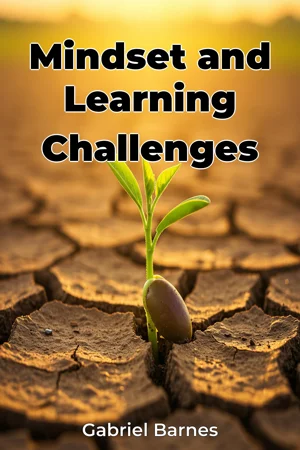
Do learning disabilities define a person's potential, or can the power of mindset unlock hidden abilities? "Mindset and Learning Challenges" explores the profound impact of adopting a growth mindset in overcoming obstacles associated with learning disabilities. This book delves into the psychology of learning, offering practical strategies and evidence-based insights to empower individuals with learning differences to thrive. We address two crucial topics: understanding learning disabilities beyond conventional definitions and harnessing the transformative potential of growth mindset theory. It is important to redefine learning disabilities not as fixed limitations but as challenges that can be navigated and overcome with appropriate strategies and a resilient mindset. This book examines how adopting a growth mindset - the belief that abilities and intelligence can be developed through dedication and hard work - can revolutionize the learning experience for individuals facing such challenges. Building upon decades of research in psychology and education, this book synthesizes key findings and real-world examples to illustrate the principles of growth mindset. Readers will gain a deeper understanding of the historical context surrounding the diagnosis and treatment of learning disabilities, along with the evolution of mindset theory pioneered by Carol Dweck. No extensive prior knowledge of psychology is required; we present the concepts in an accessible manner for all readers. The central argument of "Mindset and Learning Challenges" is that a growth mindset is not merely a feel-good philosophy but a powerful cognitive tool that can lead to tangible improvements in learning outcomes, self-esteem, and overall well-being for individuals with learning disabilities. This argument is important because it shifts the focus from inherent limitations to the potential for growth and resilience, fostering a more optimistic and proactive approach to learning. The book is structured to guide readers through a comprehensive exploration of this topic. First, we introduce the core concepts of growth mindset and learning disabilities, clarifying common misconceptions and laying the groundwork for deeper understanding. Then, we develop our argument through detailed case studies, research findings, and practical strategies for cultivating a growth mindset in oneself and others. We dedicate individual chapters to specific learning disabilities, such as dyslexia and ADHD, examining how a growth mindset can be applied to address the unique challenges associated with each condition. Finally, we culminate the argument by presenting a framework for creating supportive learning environments that foster growth mindset and empower individuals with learning disabilities to reach their full potential. To support our arguments, we draw upon a wide range of evidence, including peer-reviewed psychological studies, educational research, and personal narratives from individuals who have successfully overcome learning disabilities. We analyze quantitative data from large-scale studies on mindset interventions, as well as qualitative data from interviews and case studies, providing a holistic understanding of the topic. This book also connects to other fields such as education, neuroscience, and social work. Understanding the neurological basis of learning disabilities can inform the development of targeted interventions. Moreover, the principles of growth mindset can be applied in social work to empower individuals facing various life challenges. Such connections enhance the book's argument by demonstrating the broad applicability of growth mindset theory. "Mindset and Learning Challenges" offers a unique perspective by combining rigorous scientific research with practical strategies and personal stories. This comprehensive approach provides readers with a deep understanding of the psychological mechanisms underlying growth mindset and its transformative potential for individuals with learning disabilities. Written in a clear and engaging style, this book is tailored for educators, parents, therapists, individuals with learning disabilities, and anyone interested in the psychology of learning and personal growth. It provides valuable insights and practical tools for fostering a growth mindset in educational and therapeutic settings. In line with the conventions of the self-help genre, the book offers actionable advice and step-by-step guidance. While providing a broad overview of common learning disabilities, the book also acknowledges the diversity of individual experiences and needs. The real-world applications of this book are numerous. Educators can use the strategies outlined to create more inclusive and supportive classrooms. Parents can learn how to foster a growth mindset in their children, empowering them to overcome academic challenges. Therapists can incorporate mindset interventions into their practice to help clients build resilience and self-esteem. While this book addresses the impact of mindset on learning disabilities, it is important to acknowledge that ongoing debates exist regarding the effectiveness of certain interventions and the role of environmental factors. We explore these controversies and offer balanced perspectives, encouraging readers to critically evaluate the evidence and form their own informed opinions.
Do learning disabilities define a person's potential, or can the power of mindset unlock hidden abilities? "Mindset and Learning Challenges" explores the profound impact of adopting a growth mindset in overcoming obstacles associated with learning disabilities. This book delves into the psychology of learning, offering practical strategies and evidence-based insights to empower individuals with learning differences to thrive. We address two crucial topics: understanding learning disabilities beyond conventional definitions and harnessing the transformative potential of growth mindset theory. It is important to redefine learning disabilities not as fixed limitations but as challenges that can be navigated and overcome with appropriate strategies and a resilient mindset. This book examines how adopting a growth mindset - the belief that abilities and intelligence can be developed through dedication and hard work - can revolutionize the learning experience for individuals facing such challenges. Building upon decades of research in psychology and education, this book synthesizes key findings and real-world examples to illustrate the principles of growth mindset. Readers will gain a deeper understanding of the historical context surrounding the diagnosis and treatment of learning disabilities, along with the evolution of mindset theory pioneered by Carol Dweck. No extensive prior knowledge of psychology is required; we present the concepts in an accessible manner for all readers. The central argument of "Mindset and Learning Challenges" is that a growth mindset is not merely a feel-good philosophy but a powerful cognitive tool that can lead to tangible improvements in learning outcomes, self-esteem, and overall well-being for individuals with learning disabilities. This argument is important because it shifts the focus from inherent limitations to the potential for growth and resilience, fostering a more optimistic and proactive approach to learning. The book is structured to guide readers through a comprehensive exploration of this topic. First, we introduce the core concepts of growth mindset and learning disabilities, clarifying common misconceptions and laying the groundwork for deeper understanding. Then, we develop our argument through detailed case studies, research findings, and practical strategies for cultivating a growth mindset in oneself and others. We dedicate individual chapters to specific learning disabilities, such as dyslexia and ADHD, examining how a growth mindset can be applied to address the unique challenges associated with each condition. Finally, we culminate the argument by presenting a framework for creating supportive learning environments that foster growth mindset and empower individuals with learning disabilities to reach their full potential. To support our arguments, we draw upon a wide range of evidence, including peer-reviewed psychological studies, educational research, and personal narratives from individuals who have successfully overcome learning disabilities. We analyze quantitative data from large-scale studies on mindset interventions, as well as qualitative data from interviews and case studies, providing a holistic understanding of the topic. This book also connects to other fields such as education, neuroscience, and social work. Understanding the neurological basis of learning disabilities can inform the development of targeted interventions. Moreover, the principles of growth mindset can be applied in social work to empower individuals facing various life challenges. Such connections enhance the book's argument by demonstrating the broad applicability of growth mindset theory. "Mindset and Learning Challenges" offers a unique perspective by combining rigorous scientific research with practical strategies and personal stories. This comprehensive approach provides readers with a deep understanding of the psychological mechanisms underlying growth mindset and its transformative potential for individuals with learning disabilities. Written in a clear and engaging style, this book is tailored for educators, parents, therapists, individuals with learning disabilities, and anyone interested in the psychology of learning and personal growth. It provides valuable insights and practical tools for fostering a growth mindset in educational and therapeutic settings. In line with the conventions of the self-help genre, the book offers actionable advice and step-by-step guidance. While providing a broad overview of common learning disabilities, the book also acknowledges the diversity of individual experiences and needs. The real-world applications of this book are numerous. Educators can use the strategies outlined to create more inclusive and supportive classrooms. Parents can learn how to foster a growth mindset in their children, empowering them to overcome academic challenges. Therapists can incorporate mindset interventions into their practice to help clients build resilience and self-esteem. While this book addresses the impact of mindset on learning disabilities, it is important to acknowledge that ongoing debates exist regarding the effectiveness of certain interventions and the role of environmental factors. We explore these controversies and offer balanced perspectives, encouraging readers to critically evaluate the evidence and form their own informed opinions.
"Mindset and Learning Challenges" explores how adopting a growth mindset can revolutionize the learning experience for individuals facing learning disabilities. The book addresses the misconception that learning disabilities define a person's potential, instead positioning them as challenges to overcome. It emphasizes the power of believing that abilities can be developed through dedication and hard work, leading to tangible improvements in learning outcomes and self-esteem. For example, reframing a mistake from a sign of failure to an opportunity to learn encourages resilience and a proactive approach to education. The book presents evidence-based insights and practical strategies, drawing on research in psychology and education. It examines specific learning disabilities like dyslexia and ADHD, illustrating how a growth mindset can address the unique challenges each presents. The book guides readers from understanding core concepts to applying them through case studies and research findings. Ultimately, it provides a framework for creating supportive learning environments that empower individuals with learning disabilities to reach their full potential.
Book Details
ISBN
9788235210265
Publisher
Publifye AS
Your Licenses
You don't own any licenses for this book
Purchase a license below to unlock this book and download the EPUB.
Purchase License
Select a tier to unlock this book
Need bulk licensing?
Contact us for enterprise agreements.