
About This Book
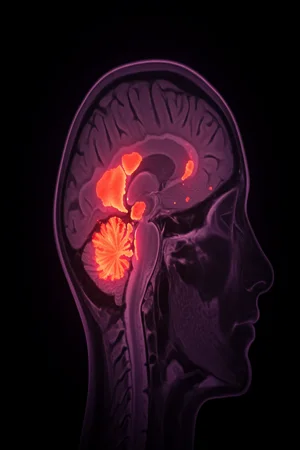
Have you ever wondered how doctors can visualize the inner workings of the human body with such precision, often without invasive surgery? This book, "Nuclear Medicine Uses," explores the fascinating ways in which radioactive substances, or radiopharmaceuticals, are employed in modern medical diagnosis, offering a detailed look into the science, applications, and implications of this powerful technology. We will delve into three central themes. First, the book will cover the fundamental physics and chemistry of radiopharmaceuticals, explaining how these substances are designed to target specific organs or tissues within the body. Second, it will describe the various imaging techniques used in nuclear medicine, such as SPECT (Single-Photon Emission Computed Tomography) and PET (Positron Emission Tomography), and how they generate detailed images of physiological processes. Third, the book will explore the clinical applications of nuclear medicine in diagnosing a wide range of diseases, including cardiovascular disorders, cancer, and neurological conditions. These topics are crucial because they showcase how nuclear medicine provides unique insights into disease processes that are often inaccessible through other diagnostic methods. Understanding nuclear medicine requires a basic grasp of atomic structure, radioactive decay, and the principles of medical imaging. We will provide a clear and concise overview of these concepts, ensuring the reader has the necessary foundation to comprehend the more advanced material. The central argument of this book is that nuclear medicine is an indispensable tool in modern healthcare, providing valuable diagnostic information that can significantly improve patient outcomes. This argument is supported by presenting a comprehensive overview of the scientific principles, clinical applications, and ongoing research in the field. The book is structured to guide the reader through a logical progression of topics. It begins by introducing the basic principles of nuclear physics and radiochemistry, followed by a detailed discussion of the various imaging techniques used in nuclear medicine. The core of the book consists of chapters dedicated to specific clinical applications, each focusing on a particular organ system or disease. These chapters will cover the diagnostic procedures, image interpretation, and clinical significance of nuclear medicine in each area. The book culminates with a discussion of the future directions of nuclear medicine, including emerging technologies and potential new applications. The evidence presented in this book is based on a synthesis of peer-reviewed research articles, clinical guidelines, and expert opinions. It draws from a wide range of sources, including medical journals, scientific conferences, and government publications. This book will also present clinical case studies to illustrate how these agents are used in the real world. Nuclear medicine bridges the gap between physics, chemistry, medicine, and computer science. Its reliance on radioactive materials connects it to the field of nuclear physics, while the design and synthesis of radiopharmaceuticals draw upon the principles of organic and inorganic chemistry. The interpretation of medical images requires knowledge of anatomy, physiology, and pathology, and the development of new imaging technologies relies heavily on advances in computer science and engineering. A distinctive aspect of this book is its focus on the clinical utility of nuclear medicine. While it provides a solid grounding in the relevant scientific principles, it emphasizes the practical applications of these principles in the diagnosis and management of disease. The tone of the book is informative and accessible. It aims to explain complex concepts in a clear and concise manner, avoiding technical jargon whenever possible. The intended audience is broad, including medical students, residents, practicing physicians, nurses, and other healthcare professionals who are interested in learning more about nuclear medicine. The book would also be of interest to scientists and engineers working in related fields. As a work of non-fiction in the medical and science genres, this book aims to provide accurate, objective, and evidence-based information. It adheres to the standards of scientific rigor and ethical conduct. The book's scope is limited to the diagnostic applications of nuclear medicine. It does not cover the therapeutic uses of radioactive substances, such as radiation therapy for cancer. It focuses primarily on the use of SPECT and PET imaging, with less emphasis on other imaging modalities. The information in this book can be applied to improve the diagnosis and management of a wide range of diseases. It can help healthcare professionals to better understand the role of nuclear medicine in clinical practice and to make more informed decisions about patient care. While nuclear medicine is generally considered a safe diagnostic modality, there are some controversies surrounding the use of radioactive substances in medical imaging. These include concerns about radiation exposure, the cost-effectiveness of certain procedures, and the potential for false-positive or false-negative results. The book will address these issues in a balanced and objective manner.
Have you ever wondered how doctors can visualize the inner workings of the human body with such precision, often without invasive surgery? This book, "Nuclear Medicine Uses," explores the fascinating ways in which radioactive substances, or radiopharmaceuticals, are employed in modern medical diagnosis, offering a detailed look into the science, applications, and implications of this powerful technology. We will delve into three central themes. First, the book will cover the fundamental physics and chemistry of radiopharmaceuticals, explaining how these substances are designed to target specific organs or tissues within the body. Second, it will describe the various imaging techniques used in nuclear medicine, such as SPECT (Single-Photon Emission Computed Tomography) and PET (Positron Emission Tomography), and how they generate detailed images of physiological processes. Third, the book will explore the clinical applications of nuclear medicine in diagnosing a wide range of diseases, including cardiovascular disorders, cancer, and neurological conditions. These topics are crucial because they showcase how nuclear medicine provides unique insights into disease processes that are often inaccessible through other diagnostic methods. Understanding nuclear medicine requires a basic grasp of atomic structure, radioactive decay, and the principles of medical imaging. We will provide a clear and concise overview of these concepts, ensuring the reader has the necessary foundation to comprehend the more advanced material. The central argument of this book is that nuclear medicine is an indispensable tool in modern healthcare, providing valuable diagnostic information that can significantly improve patient outcomes. This argument is supported by presenting a comprehensive overview of the scientific principles, clinical applications, and ongoing research in the field. The book is structured to guide the reader through a logical progression of topics. It begins by introducing the basic principles of nuclear physics and radiochemistry, followed by a detailed discussion of the various imaging techniques used in nuclear medicine. The core of the book consists of chapters dedicated to specific clinical applications, each focusing on a particular organ system or disease. These chapters will cover the diagnostic procedures, image interpretation, and clinical significance of nuclear medicine in each area. The book culminates with a discussion of the future directions of nuclear medicine, including emerging technologies and potential new applications. The evidence presented in this book is based on a synthesis of peer-reviewed research articles, clinical guidelines, and expert opinions. It draws from a wide range of sources, including medical journals, scientific conferences, and government publications. This book will also present clinical case studies to illustrate how these agents are used in the real world. Nuclear medicine bridges the gap between physics, chemistry, medicine, and computer science. Its reliance on radioactive materials connects it to the field of nuclear physics, while the design and synthesis of radiopharmaceuticals draw upon the principles of organic and inorganic chemistry. The interpretation of medical images requires knowledge of anatomy, physiology, and pathology, and the development of new imaging technologies relies heavily on advances in computer science and engineering. A distinctive aspect of this book is its focus on the clinical utility of nuclear medicine. While it provides a solid grounding in the relevant scientific principles, it emphasizes the practical applications of these principles in the diagnosis and management of disease. The tone of the book is informative and accessible. It aims to explain complex concepts in a clear and concise manner, avoiding technical jargon whenever possible. The intended audience is broad, including medical students, residents, practicing physicians, nurses, and other healthcare professionals who are interested in learning more about nuclear medicine. The book would also be of interest to scientists and engineers working in related fields. As a work of non-fiction in the medical and science genres, this book aims to provide accurate, objective, and evidence-based information. It adheres to the standards of scientific rigor and ethical conduct. The book's scope is limited to the diagnostic applications of nuclear medicine. It does not cover the therapeutic uses of radioactive substances, such as radiation therapy for cancer. It focuses primarily on the use of SPECT and PET imaging, with less emphasis on other imaging modalities. The information in this book can be applied to improve the diagnosis and management of a wide range of diseases. It can help healthcare professionals to better understand the role of nuclear medicine in clinical practice and to make more informed decisions about patient care. While nuclear medicine is generally considered a safe diagnostic modality, there are some controversies surrounding the use of radioactive substances in medical imaging. These include concerns about radiation exposure, the cost-effectiveness of certain procedures, and the potential for false-positive or false-negative results. The book will address these issues in a balanced and objective manner.
"Nuclear Medicine Uses" explores the innovative use of radioactive substances, or radiopharmaceuticals, in medical diagnosis. It reveals how these substances, targeting specific organs, allow doctors to visualize internal processes non-invasively. Did you know that nuclear medicine can provide unique insights often inaccessible through other diagnostic methods? This book uniquely emphasizes the clinical utility of nuclear medicine by bridging physics, chemistry, medicine, and computer science, showcasing real-world applications through case studies. The book begins with the fundamentals of nuclear physics and radiochemistry, progressing to imaging techniques like SPECT and PET. It then delves into clinical applications for diagnosing cardiovascular disorders, cancer, and neurological conditions. By synthesizing peer-reviewed research and clinical guidelines, "Nuclear Medicine Uses" provides a comprehensive understanding of this indispensable healthcare tool.
Book Details
ISBN
9788235209887
Publisher
Publifye AS
Your Licenses
You don't own any licenses for this book
Purchase a license below to unlock this book and download the EPUB.
Purchase License
Select a tier to unlock this book
Need bulk licensing?
Contact us for enterprise agreements.