
About This Book
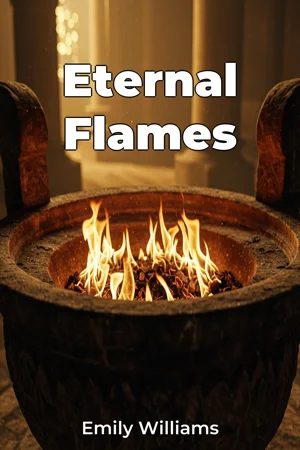
Why have cultures across the globe, from ancient civilizations to modern societies, revered fire not merely as a source of warmth and light, but as a sacred and eternal force? "Eternal Flames" delves into the rich tapestry of myths, rituals, and beliefs surrounding undying flames, exploring their profound connection to notions of immortality, divine presence, and the enduring human spirit. This book examines the historical and religious significance of eternal flames, sacred hearths, and the concept of perpetual fire across diverse cultures. We explore how these enduring flames served as potent symbols of continuity, hope, and the unbreakable link between the mortal and the divine. Understanding these symbols offers insight into the core values, belief systems, and ancestral connections of societies throughout history. To fully appreciate the significance of eternal flames, we delve into their historical context, tracing their presence in ancient civilizations such as those of Rome, Greece, and Persia, where vestal virgins and priestly orders maintained sacred fires as vital components of state religion. We also examine their roles within various religious traditions, from Judaism's menorah to Zoroastrianism's Atar, and in indigenous cultures across the Americas and Asia. The central argument of "Eternal Flames" is that the persistent motif of undying flames across disparate cultures reveals a deeply ingrained human longing for permanence and a transcendent connection to something beyond the physical realm. These flames represent an attempt to grapple with the ephemeral nature of life and to establish a tangible link to the eternal. The book is structured around a series of thematic explorations. Beginning with an introduction to the concept of eternal flames and their foundational role in ancient societies, we then examine the specific rituals and practices associated with maintaining these fires, analyzing their symbolic meanings and societal functions. The middle sections focus on case studies of particular cultures and religious traditions, highlighting the unique ways in which they conceptualized and utilized eternal flames. We conclude by exploring the modern interpretations and applications of this ancient symbol, considering its continued relevance in memorial flames, artistic expressions, and philosophical musings on the nature of time and existence. The arguments presented are supported by a wide range of historical sources, archaeological findings, and religious texts. We draw upon primary sources such as ancient chronicles, religious scriptures, and accounts from early travelers, as well as secondary scholarship in the fields of religious studies, anthropology, and classical history. "Eternal Flames" connects interdisciplinary themes of religious studies, history, and anthropology. Analyzing the cultural impact of the eternal flame motif in various civilizations requires delving into the religious practices, historical events, and anthropological perspectives of fire in human societies. These connections enhance the understanding of how specific cultural contexts impact the interpretation and purpose of eternal flames. What sets this book apart is its comprehensive and comparative approach, synthesizing insights from diverse fields to provide a nuanced understanding of the eternal flame as a universal symbol. It moves beyond a purely descriptive account to offer an analytical framework for interpreting the cultural significance of perpetual fire across different societies. Written in a clear and accessible style, "Eternal Flames" is intended for a broad audience interested in history, religion, mythology, and cultural symbolism. It will appeal to students, researchers, and general readers seeking a deeper understanding of the enduring human fascination with fire and its connection to the eternal. As a work of non-fiction, the book adheres to the highest standards of scholarly rigor, presenting well-researched information with careful attention to detail and accuracy. It addresses the topic with respect for diverse cultural and religious perspectives, avoiding sensationalism or unfounded claims. The scope of this book is limited to the cultural and symbolic significance of eternal flames, focusing on the beliefs and practices associated with them rather than the technical aspects of maintaining such fires. While acknowledging the scientific understanding of combustion, the book primarily explores the human interpretation and spiritual meaning of perpetual fire. The exploration of eternal flames in this book offers practical applications for understanding cultural heritage, interpreting historical symbols, and appreciating the diversity of human beliefs. They shed light on the enduring human quest for meaning, connection, and a sense of the sacred in a world of constant change. While debates exist regarding the precise origins and interpretations of certain religious symbols, "Eternal Flames" engages with these discussions respectfully, presenting different viewpoints and allowing readers to draw their own conclusions.
Why have cultures across the globe, from ancient civilizations to modern societies, revered fire not merely as a source of warmth and light, but as a sacred and eternal force? "Eternal Flames" delves into the rich tapestry of myths, rituals, and beliefs surrounding undying flames, exploring their profound connection to notions of immortality, divine presence, and the enduring human spirit. This book examines the historical and religious significance of eternal flames, sacred hearths, and the concept of perpetual fire across diverse cultures. We explore how these enduring flames served as potent symbols of continuity, hope, and the unbreakable link between the mortal and the divine. Understanding these symbols offers insight into the core values, belief systems, and ancestral connections of societies throughout history. To fully appreciate the significance of eternal flames, we delve into their historical context, tracing their presence in ancient civilizations such as those of Rome, Greece, and Persia, where vestal virgins and priestly orders maintained sacred fires as vital components of state religion. We also examine their roles within various religious traditions, from Judaism's menorah to Zoroastrianism's Atar, and in indigenous cultures across the Americas and Asia. The central argument of "Eternal Flames" is that the persistent motif of undying flames across disparate cultures reveals a deeply ingrained human longing for permanence and a transcendent connection to something beyond the physical realm. These flames represent an attempt to grapple with the ephemeral nature of life and to establish a tangible link to the eternal. The book is structured around a series of thematic explorations. Beginning with an introduction to the concept of eternal flames and their foundational role in ancient societies, we then examine the specific rituals and practices associated with maintaining these fires, analyzing their symbolic meanings and societal functions. The middle sections focus on case studies of particular cultures and religious traditions, highlighting the unique ways in which they conceptualized and utilized eternal flames. We conclude by exploring the modern interpretations and applications of this ancient symbol, considering its continued relevance in memorial flames, artistic expressions, and philosophical musings on the nature of time and existence. The arguments presented are supported by a wide range of historical sources, archaeological findings, and religious texts. We draw upon primary sources such as ancient chronicles, religious scriptures, and accounts from early travelers, as well as secondary scholarship in the fields of religious studies, anthropology, and classical history. "Eternal Flames" connects interdisciplinary themes of religious studies, history, and anthropology. Analyzing the cultural impact of the eternal flame motif in various civilizations requires delving into the religious practices, historical events, and anthropological perspectives of fire in human societies. These connections enhance the understanding of how specific cultural contexts impact the interpretation and purpose of eternal flames. What sets this book apart is its comprehensive and comparative approach, synthesizing insights from diverse fields to provide a nuanced understanding of the eternal flame as a universal symbol. It moves beyond a purely descriptive account to offer an analytical framework for interpreting the cultural significance of perpetual fire across different societies. Written in a clear and accessible style, "Eternal Flames" is intended for a broad audience interested in history, religion, mythology, and cultural symbolism. It will appeal to students, researchers, and general readers seeking a deeper understanding of the enduring human fascination with fire and its connection to the eternal. As a work of non-fiction, the book adheres to the highest standards of scholarly rigor, presenting well-researched information with careful attention to detail and accuracy. It addresses the topic with respect for diverse cultural and religious perspectives, avoiding sensationalism or unfounded claims. The scope of this book is limited to the cultural and symbolic significance of eternal flames, focusing on the beliefs and practices associated with them rather than the technical aspects of maintaining such fires. While acknowledging the scientific understanding of combustion, the book primarily explores the human interpretation and spiritual meaning of perpetual fire. The exploration of eternal flames in this book offers practical applications for understanding cultural heritage, interpreting historical symbols, and appreciating the diversity of human beliefs. They shed light on the enduring human quest for meaning, connection, and a sense of the sacred in a world of constant change. While debates exist regarding the precise origins and interpretations of certain religious symbols, "Eternal Flames" engages with these discussions respectfully, presenting different viewpoints and allowing readers to draw their own conclusions.
"Eternal Flames" explores the pervasive symbolism of perpetual fire across cultures, revealing its profound connection to immortality, the divine, and the human spirit. From ancient civilizations to modern times, eternal flames have represented continuity, hope, and a link between the mortal and the eternal. The book highlights how maintaining these flames was often a sacred duty, entrusted to vestal virgins or priestly orders, symbolizing a society's core values and ancestral connections. Examining traditions from Rome, Greece, Persia, Judaism, Zoroastrianism, and indigenous cultures, the book reveals the diverse ways societies have conceptualized and utilized eternal flames. The book uniquely synthesizes insights from religious studies, history, and anthropology to provide a nuanced understanding of this universal symbol. It argues that the persistent motif of undying flames reflects a deep human longing for permanence and a connection to something beyond the physical realm. Structured thematically, "Eternal Flames" begins with an introduction to the concept, examines specific rituals and practices, presents case studies of particular cultures, and concludes by exploring modern interpretations of this ancient symbol, offering an analytical framework for interpreting the cultural significance of perpetual fire across different societies.
Book Details
ISBN
9788235209818
Publisher
Publifye AS
Your Licenses
You don't own any licenses for this book
Purchase a license below to unlock this book and download the EPUB.
Purchase License
Select a tier to unlock this book
Need bulk licensing?
Contact us for enterprise agreements.