
About This Book
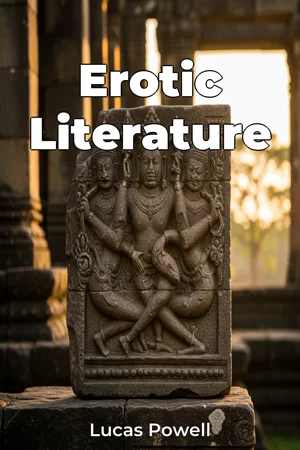
Why has erotic storytelling captivated humanity across cultures and centuries? "Erotic Literature" delves into the multifaceted history of sensuality in narrative, examining its profound influence on literary traditions and societal norms. This literary exploration moves beyond simple titillation to uncover the complex interplay between desire, power, and cultural expression throughout history. This book addresses significant topics, primarily the evolution of erotic themes in literature across diverse cultures, the historical contexts shaping these narratives, and the lasting impact of erotic literature on social attitudes toward sexuality. These investigations are important because they offer a more nuanced understanding of human sexuality and its representation, challenging conventional assumptions and revealing the cultural forces that have both celebrated and suppressed erotic expression. To fully appreciate the nuances of erotic literature, one must consider the shifting social, religious, and political climates that influenced its creation and reception. From ancient fertility rituals to the rise of modern pornography, the book provides a historical backdrop highlighting how societal values have shaped the boundaries of what is considered acceptable or taboo. The central argument of "Erotic Literature" positions erotic narratives as vital cultural artifacts that reflect and shape societal attitudes toward sex, gender, and power. By analyzing these narratives, the book offers a new perspective on the human experience, demonstrating how deeply ingrained sensuality is in our cultural heritage. The book's structure begins with an introduction to the core concepts of erotic literature, defining key terms and outlining the scope of the study. The subsequent sections explore specific historical periods and cultural traditions, such as ancient Near Eastern love poetry, classical Greek and Roman eroticism, the Kama Sutra and related traditions, medieval and Renaissance expressions and the emergence of modern erotic literature. The exploration of various periods and traditions develops the argument that erotic literature provides a lens through which to understand cultural norms and power dynamics related to sexuality. The book culminates in a discussion of the practical implications of studying erotic literature, including its relevance to contemporary debates on censorship, sexual liberation, and gender equality. The arguments presented are supported by literary analyses, historical documents, and comparative studies. The book draws on a wide range of primary sources, including ancient texts, medieval manuscripts, and modern novels, as well as secondary scholarship from literary critics, historians, and cultural theorists. "Erotic Literature" connects to other fields such as history, sociology, anthropology, gender studies, and art history. These interdisciplinary connections enrich the analysis, providing a more comprehensive understanding of the cultural significance of erotic narratives. A unique aspect of this book is its comparative approach, which examines erotic literature from multiple cultural perspectives. By juxtaposing different traditions, the book reveals both the common threads and the unique characteristics of erotic expression around the world. The book adopts an academic yet engaging tone, aiming to make complex ideas accessible to a broad audience. The writing style is clear, concise, and avoids jargon, ensuring that readers can easily follow the arguments and appreciate the nuances of the material. The target audience includes students and scholars of literature, history, gender studies, and cultural studies, as well as general readers interested in exploring the history of sexuality and its representation in art and culture. It will be valuable to them as it offers a comprehensive and insightful overview of a topic that is often overlooked or misunderstood. As a work of historical literary essays, "Erotic Literature" adheres to the conventions of scholarly research and analysis. It provides detailed footnotes, a comprehensive bibliography, and a clear articulation of its methodology and sources. The scope of the book is broad, covering a vast historical period and a diverse range of cultural traditions. However, it acknowledges its limitations in providing an exhaustive account of every aspect of erotic literature. The information in the book can be applied practically to understand contemporary issues related to sexual representation, censorship, and freedom of expression. It provides a historical perspective that can inform current debates and promote a more nuanced understanding of these complex issues. The book touches on controversies such as the debate over pornography, the censorship of erotic literature, and the representation of sexuality in art and media. By presenting multiple viewpoints and providing historical context, the book encourages critical thinking and informed discussion.
Why has erotic storytelling captivated humanity across cultures and centuries? "Erotic Literature" delves into the multifaceted history of sensuality in narrative, examining its profound influence on literary traditions and societal norms. This literary exploration moves beyond simple titillation to uncover the complex interplay between desire, power, and cultural expression throughout history. This book addresses significant topics, primarily the evolution of erotic themes in literature across diverse cultures, the historical contexts shaping these narratives, and the lasting impact of erotic literature on social attitudes toward sexuality. These investigations are important because they offer a more nuanced understanding of human sexuality and its representation, challenging conventional assumptions and revealing the cultural forces that have both celebrated and suppressed erotic expression. To fully appreciate the nuances of erotic literature, one must consider the shifting social, religious, and political climates that influenced its creation and reception. From ancient fertility rituals to the rise of modern pornography, the book provides a historical backdrop highlighting how societal values have shaped the boundaries of what is considered acceptable or taboo. The central argument of "Erotic Literature" positions erotic narratives as vital cultural artifacts that reflect and shape societal attitudes toward sex, gender, and power. By analyzing these narratives, the book offers a new perspective on the human experience, demonstrating how deeply ingrained sensuality is in our cultural heritage. The book's structure begins with an introduction to the core concepts of erotic literature, defining key terms and outlining the scope of the study. The subsequent sections explore specific historical periods and cultural traditions, such as ancient Near Eastern love poetry, classical Greek and Roman eroticism, the Kama Sutra and related traditions, medieval and Renaissance expressions and the emergence of modern erotic literature. The exploration of various periods and traditions develops the argument that erotic literature provides a lens through which to understand cultural norms and power dynamics related to sexuality. The book culminates in a discussion of the practical implications of studying erotic literature, including its relevance to contemporary debates on censorship, sexual liberation, and gender equality. The arguments presented are supported by literary analyses, historical documents, and comparative studies. The book draws on a wide range of primary sources, including ancient texts, medieval manuscripts, and modern novels, as well as secondary scholarship from literary critics, historians, and cultural theorists. "Erotic Literature" connects to other fields such as history, sociology, anthropology, gender studies, and art history. These interdisciplinary connections enrich the analysis, providing a more comprehensive understanding of the cultural significance of erotic narratives. A unique aspect of this book is its comparative approach, which examines erotic literature from multiple cultural perspectives. By juxtaposing different traditions, the book reveals both the common threads and the unique characteristics of erotic expression around the world. The book adopts an academic yet engaging tone, aiming to make complex ideas accessible to a broad audience. The writing style is clear, concise, and avoids jargon, ensuring that readers can easily follow the arguments and appreciate the nuances of the material. The target audience includes students and scholars of literature, history, gender studies, and cultural studies, as well as general readers interested in exploring the history of sexuality and its representation in art and culture. It will be valuable to them as it offers a comprehensive and insightful overview of a topic that is often overlooked or misunderstood. As a work of historical literary essays, "Erotic Literature" adheres to the conventions of scholarly research and analysis. It provides detailed footnotes, a comprehensive bibliography, and a clear articulation of its methodology and sources. The scope of the book is broad, covering a vast historical period and a diverse range of cultural traditions. However, it acknowledges its limitations in providing an exhaustive account of every aspect of erotic literature. The information in the book can be applied practically to understand contemporary issues related to sexual representation, censorship, and freedom of expression. It provides a historical perspective that can inform current debates and promote a more nuanced understanding of these complex issues. The book touches on controversies such as the debate over pornography, the censorship of erotic literature, and the representation of sexuality in art and media. By presenting multiple viewpoints and providing historical context, the book encourages critical thinking and informed discussion.
"Erotic Literature" explores the captivating history of sensuality in narrative, examining its profound influence on literary traditions and societal norms. This collection of essays delves into how desire, power, and cultural expression intertwine throughout history, highlighting erotic narratives as vital cultural artifacts. The book reveals that societal values have consistently shaped the boundaries of what is considered acceptable or taboo, influencing the creation and reception of erotic literature across different eras and cultures. The book progresses through historical periods and cultural traditions, such as ancient Near Eastern love poetry and classical Greek eroticism, to the Kama Sutra and the emergence of modern erotic literature. By adopting a comparative approach, the essays reveal common threads and unique characteristics of erotic expression globally. "Erotic Literature" offers a comprehensive overview of a topic often misunderstood, providing a lens to understand cultural norms and power dynamics related to sexuality.
Book Details
ISBN
9788235209665
Publisher
Publifye AS
Your Licenses
You don't own any licenses for this book
Purchase a license below to unlock this book and download the EPUB.
Purchase License
Select a tier to unlock this book
Need bulk licensing?
Contact us for enterprise agreements.