
About This Book
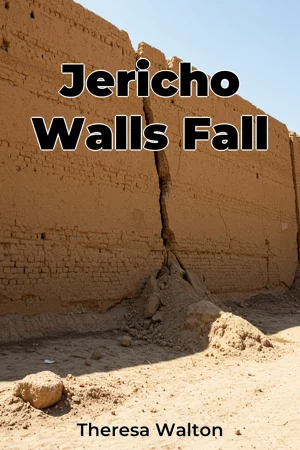
Did the walls of Jericho truly fall as described in the Bible, or is the story merely a symbolic narrative? This book, "Jericho Walls Fall," delves into this enduring question by meticulously examining archaeological evidence unearthed at the Jericho site. We explore the intersection of biblical narrative, archaeological findings, and seismological data to offer a compelling, evidence-based perspective on the city's destruction. This investigation focuses primarily on two key topics: firstly, the detailed stratigraphy of Jericho's tell, meticulously excavated and documented over decades; secondly, the potential influence of seismic activity on structural collapses in ancient settlements. These topics are crucial because they provide tangible, scientific data with which to evaluate the historical accuracy and context of the biblical account. Understanding the archaeological record and the region's geological history allows for a critical reassessment of commonly held beliefs about the fall of Jericho. The book provides a thorough overview of the Bronze Age in the Jordan Valley, including the social, political, and environmental factors that influenced the region's development. Readers will gain an understanding of settlement patterns, building techniques, and the types of artifacts discovered at Jericho. Prior knowledge of biblical history or archaeology is not essential; all necessary background information is included. Our central argument is that the collapse of Jericho, as evidenced by the archaeological record, is strongly correlated with known seismic events in the region. While we acknowledge the symbolic and theological significance of the biblical narrative, our analysis concentrates on the tangible evidence of destruction found at the site. We propose that an earthquake provides a plausible explanation for the rapid and widespread collapse observed in Jericho's defensive structures, aligning with specific details within the biblical text itself. "Jericho Walls Fall" is structured to guide readers through a logical progression of evidence and analysis. The book begins by introducing the biblical narrative and its various interpretations. It then transitions into a detailed examination of the archaeological excavations at Jericho, highlighting the layers of destruction and the types of artifacts discovered. We discuss the geological context of the Jordan Valley, emphasizing the region's susceptibility to seismic activity. Later chapters analyze the structural vulnerabilities of Jericho's walls and how an earthquake could have precipitated their collapse. The book culminates by synthesizing the biblical account, archaeological evidence, and seismological data to present a coherent and compelling explanation for the fall of Jericho. The evidence presented includes detailed archaeological reports, stratigraphic analyses, pottery typologies, and geological surveys. We incorporate data from various excavations conducted at Jericho, referencing both early and more recent findings. Unique data sources include seismological records of earthquakes in the region and computer-generated models simulating the impact of seismic activity on Jericho's walls. The book engages with multiple disciplines, particularly archaeology, biblical studies, and geology. The interconnection between these disciplines enhances the argument by providing a holistic understanding of the events surrounding the destruction of Jericho. Specifically, understanding the geological context informs archaeological interpretations, which in turn provides a new lens through which to understand the biblical narrative. Our approach is unique in that it integrates seismological data with archaeological findings to explain the collapse of Jericho. We move beyond simply stating the seismic possibility, toward correlation with the biblical text. This perspective challenges traditional interpretations and offers a fresh, evidence-based understanding of the event. The tone and writing style are academic yet accessible, aiming to engage both scholars and general readers interested in biblical history and archaeology. The goal is to present complex information in a clear, concise, and engaging manner. The target audience includes students of biblical studies, archaeology enthusiasts, historians, and anyone interested in the intersection of science and religion. The book's value lies in its comprehensive analysis of the evidence and its ability to shed new light on a well-known historical event. As a work in the genres of Biblical Studies and History, "Jericho Walls Fall" adheres to principles of rigorous research, evidence-based analysis, and balanced interpretations. The scope of the book is limited to examining the archaeological and geological evidence related to the destruction of Jericho. It does not delve into the broader historical or theological implications of the biblical narrative. The information presented can be applied practically by readers to critically evaluate historical claims, understand the importance of interdisciplinary research, and appreciate the complexities of interpreting ancient texts in light of archaeological discoveries. Ongoing debates exist regarding the dating of Jericho's destruction and the interpretation of the archaeological record. This book addresses these controversies by presenting a nuanced analysis of the evidence and acknowledging alternative viewpoints.
Did the walls of Jericho truly fall as described in the Bible, or is the story merely a symbolic narrative? This book, "Jericho Walls Fall," delves into this enduring question by meticulously examining archaeological evidence unearthed at the Jericho site. We explore the intersection of biblical narrative, archaeological findings, and seismological data to offer a compelling, evidence-based perspective on the city's destruction. This investigation focuses primarily on two key topics: firstly, the detailed stratigraphy of Jericho's tell, meticulously excavated and documented over decades; secondly, the potential influence of seismic activity on structural collapses in ancient settlements. These topics are crucial because they provide tangible, scientific data with which to evaluate the historical accuracy and context of the biblical account. Understanding the archaeological record and the region's geological history allows for a critical reassessment of commonly held beliefs about the fall of Jericho. The book provides a thorough overview of the Bronze Age in the Jordan Valley, including the social, political, and environmental factors that influenced the region's development. Readers will gain an understanding of settlement patterns, building techniques, and the types of artifacts discovered at Jericho. Prior knowledge of biblical history or archaeology is not essential; all necessary background information is included. Our central argument is that the collapse of Jericho, as evidenced by the archaeological record, is strongly correlated with known seismic events in the region. While we acknowledge the symbolic and theological significance of the biblical narrative, our analysis concentrates on the tangible evidence of destruction found at the site. We propose that an earthquake provides a plausible explanation for the rapid and widespread collapse observed in Jericho's defensive structures, aligning with specific details within the biblical text itself. "Jericho Walls Fall" is structured to guide readers through a logical progression of evidence and analysis. The book begins by introducing the biblical narrative and its various interpretations. It then transitions into a detailed examination of the archaeological excavations at Jericho, highlighting the layers of destruction and the types of artifacts discovered. We discuss the geological context of the Jordan Valley, emphasizing the region's susceptibility to seismic activity. Later chapters analyze the structural vulnerabilities of Jericho's walls and how an earthquake could have precipitated their collapse. The book culminates by synthesizing the biblical account, archaeological evidence, and seismological data to present a coherent and compelling explanation for the fall of Jericho. The evidence presented includes detailed archaeological reports, stratigraphic analyses, pottery typologies, and geological surveys. We incorporate data from various excavations conducted at Jericho, referencing both early and more recent findings. Unique data sources include seismological records of earthquakes in the region and computer-generated models simulating the impact of seismic activity on Jericho's walls. The book engages with multiple disciplines, particularly archaeology, biblical studies, and geology. The interconnection between these disciplines enhances the argument by providing a holistic understanding of the events surrounding the destruction of Jericho. Specifically, understanding the geological context informs archaeological interpretations, which in turn provides a new lens through which to understand the biblical narrative. Our approach is unique in that it integrates seismological data with archaeological findings to explain the collapse of Jericho. We move beyond simply stating the seismic possibility, toward correlation with the biblical text. This perspective challenges traditional interpretations and offers a fresh, evidence-based understanding of the event. The tone and writing style are academic yet accessible, aiming to engage both scholars and general readers interested in biblical history and archaeology. The goal is to present complex information in a clear, concise, and engaging manner. The target audience includes students of biblical studies, archaeology enthusiasts, historians, and anyone interested in the intersection of science and religion. The book's value lies in its comprehensive analysis of the evidence and its ability to shed new light on a well-known historical event. As a work in the genres of Biblical Studies and History, "Jericho Walls Fall" adheres to principles of rigorous research, evidence-based analysis, and balanced interpretations. The scope of the book is limited to examining the archaeological and geological evidence related to the destruction of Jericho. It does not delve into the broader historical or theological implications of the biblical narrative. The information presented can be applied practically by readers to critically evaluate historical claims, understand the importance of interdisciplinary research, and appreciate the complexities of interpreting ancient texts in light of archaeological discoveries. Ongoing debates exist regarding the dating of Jericho's destruction and the interpretation of the archaeological record. This book addresses these controversies by presenting a nuanced analysis of the evidence and acknowledging alternative viewpoints.
"Jericho Walls Fall" explores the destruction of Jericho by integrating biblical narrative, archaeological findings, and seismological data. It addresses the question of whether the biblical account of Jericho's fall is historically accurate by examining the tell's stratigraphy and seismic activity in the Jordan Valley. The book argues that the rapid collapse of Jericho's walls, evidenced by archaeological records, is strongly linked to seismic events in the region during the Bronze Age. One intriguing fact is the detailed stratigraphy of Jericho itself, meticulously excavated over time, providing a tangible record of destruction layers. Another is the region’s documented history of earthquakes, offering a plausible explanation for the widespread structural damage. The book progresses logically, starting with the biblical narrative and its interpretations, then transitioning to archaeological excavations and the geological context of the Jordan Valley. Later chapters analyze the structural vulnerabilities of Jericho’s walls and how seismic activity could have caused their collapse. This approach, blending archaeology, biblical studies, and geology, provides a unique and holistic understanding of the events surrounding Jericho’s destruction. The book's value lies in its comprehensive analysis, offering a fresh, evidence-based perspective on this historical event.
Book Details
ISBN
9788235209566
Publisher
Publifye AS
Your Licenses
You don't own any licenses for this book
Purchase a license below to unlock this book and download the EPUB.
Purchase License
Select a tier to unlock this book
Need bulk licensing?
Contact us for enterprise agreements.