
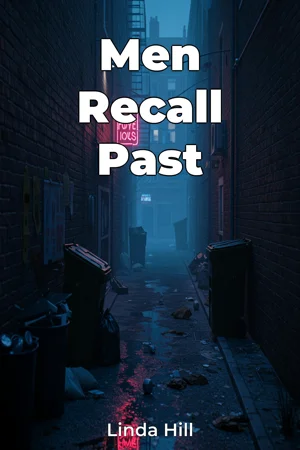
About This Book
Why do men remember certain events from their past with striking clarity, while others fade into a hazy blur? This book, "Men Recall Past," delves into the fascinating realm of male memory, specifically focusing on patterns and trends observed during the 1980s, as illuminated by contemporary psychological findings. We explore how men construct, retain, and recall memories, and the factors that shape these processes, connecting these individual experiences to broader historical and social contexts. The central argument of this book is that male memory, far from being a straightforward recording of events, is a selective and reconstructive process deeply influenced by social expectations, gender roles, and the emotional significance attached to specific experiences. The 1980s provide a particularly fertile ground for investigation, as this decade marked a period of significant social and economic shifts that impacted men's lives and identities in profound ways. Understanding these dynamics offers valuable insights into how men perceive themselves and their place in the world. "Men Recall Past" begins by establishing the psychological framework for understanding memory, reviewing key theories of memory encoding, storage, and retrieval. We then transition into the specific characteristics of male memory as identified through research conducted in the 1980s. The book's structure unfolds across several key areas: First, we examine the impact of social expectations and gender roles on men's memories. This section analyzes how societal pressures to conform to specific ideals of masculinity influenced what men chose to remember and how they reconstructed their recollections. Second, the book explores the role of emotional intensity in shaping male memory. We investigate how emotionally charged events, both positive and negative, were more likely to be vividly recalled, and analyze the psychological processes that underlie this phenomenon. Third, "Men Recall Past" investigates the impact of professional and career-related experiences on male memory during a period of significant economic change. This section will analyze how men's changing roles in the workforce shaped their personal narratives and their collective memory of the era. Our research draws upon a variety of sources, including psychological studies from the 1980s, oral histories, autobiographies, and archival materials. We analyze these data using both quantitative and qualitative methods to provide a comprehensive and nuanced understanding of male memory. The book's analysis extends beyond the realm of psychology, connecting to fields such as sociology, gender studies, and history. By examining male memory through these interdisciplinary lenses, we gain a richer and more complete picture of the past. For instance, historical context provides insight into the societal norms that shaped men's experiences, while sociological perspectives help illuminate the impact of social structures on individual memories. This book offers a unique perspective by synthesizing psychological research with historical and social analysis. Rather than simply presenting a list of facts, we aim to provide a coherent and compelling narrative that sheds light on the complexities of male memory. The writing style is accessible and engaging, avoiding overly technical jargon while maintaining a rigorous and scholarly approach. "Men Recall Past" aims to connect with a broad audience, including psychologists, historians, students, and anyone interested in understanding the human mind and the complexities of memory. While the book focuses on the 1980s, its insights have broader relevance for understanding male identity and memory in contemporary society. The book acknowledges certain limitations in its scope. While we strive to provide a comprehensive overview of male memory in the 1980s, it is impossible to capture the full diversity of experiences within this population. Our research is primarily based on Western sources, and we acknowledge that cultural factors may influence memory in different societies. However, the insights presented can be applied in practical settings, such as therapy, where understanding a client's past is crucial to their well-being. Furthermore, this book addresses ongoing debates in the field of memory studies, such as the reliability of eyewitness testimony and the potential for false memories. By engaging with these controversies, we aim to promote critical thinking and a nuanced understanding of the complexities of human memory.
Why do men remember certain events from their past with striking clarity, while others fade into a hazy blur? This book, "Men Recall Past," delves into the fascinating realm of male memory, specifically focusing on patterns and trends observed during the 1980s, as illuminated by contemporary psychological findings. We explore how men construct, retain, and recall memories, and the factors that shape these processes, connecting these individual experiences to broader historical and social contexts. The central argument of this book is that male memory, far from being a straightforward recording of events, is a selective and reconstructive process deeply influenced by social expectations, gender roles, and the emotional significance attached to specific experiences. The 1980s provide a particularly fertile ground for investigation, as this decade marked a period of significant social and economic shifts that impacted men's lives and identities in profound ways. Understanding these dynamics offers valuable insights into how men perceive themselves and their place in the world. "Men Recall Past" begins by establishing the psychological framework for understanding memory, reviewing key theories of memory encoding, storage, and retrieval. We then transition into the specific characteristics of male memory as identified through research conducted in the 1980s. The book's structure unfolds across several key areas: First, we examine the impact of social expectations and gender roles on men's memories. This section analyzes how societal pressures to conform to specific ideals of masculinity influenced what men chose to remember and how they reconstructed their recollections. Second, the book explores the role of emotional intensity in shaping male memory. We investigate how emotionally charged events, both positive and negative, were more likely to be vividly recalled, and analyze the psychological processes that underlie this phenomenon. Third, "Men Recall Past" investigates the impact of professional and career-related experiences on male memory during a period of significant economic change. This section will analyze how men's changing roles in the workforce shaped their personal narratives and their collective memory of the era. Our research draws upon a variety of sources, including psychological studies from the 1980s, oral histories, autobiographies, and archival materials. We analyze these data using both quantitative and qualitative methods to provide a comprehensive and nuanced understanding of male memory. The book's analysis extends beyond the realm of psychology, connecting to fields such as sociology, gender studies, and history. By examining male memory through these interdisciplinary lenses, we gain a richer and more complete picture of the past. For instance, historical context provides insight into the societal norms that shaped men's experiences, while sociological perspectives help illuminate the impact of social structures on individual memories. This book offers a unique perspective by synthesizing psychological research with historical and social analysis. Rather than simply presenting a list of facts, we aim to provide a coherent and compelling narrative that sheds light on the complexities of male memory. The writing style is accessible and engaging, avoiding overly technical jargon while maintaining a rigorous and scholarly approach. "Men Recall Past" aims to connect with a broad audience, including psychologists, historians, students, and anyone interested in understanding the human mind and the complexities of memory. While the book focuses on the 1980s, its insights have broader relevance for understanding male identity and memory in contemporary society. The book acknowledges certain limitations in its scope. While we strive to provide a comprehensive overview of male memory in the 1980s, it is impossible to capture the full diversity of experiences within this population. Our research is primarily based on Western sources, and we acknowledge that cultural factors may influence memory in different societies. However, the insights presented can be applied in practical settings, such as therapy, where understanding a client's past is crucial to their well-being. Furthermore, this book addresses ongoing debates in the field of memory studies, such as the reliability of eyewitness testimony and the potential for false memories. By engaging with these controversies, we aim to promote critical thinking and a nuanced understanding of the complexities of human memory.
"Men Recall Past" explores how men's memories are shaped by social expectations, gender roles, and emotional experiences, focusing specifically on the 1980s. It's not just about recalling facts; it's about understanding how men reconstruct their pasts. The book argues that memory is a selective process, influenced by societal pressures and personal emotions. For example, the pressure to conform to ideals of masculinity might influence what men choose to remember or how they frame their recollections. The book begins by establishing a psychological framework for understanding memory. It then explores the impact of social expectations and gender roles on men's memories, followed by the role of emotional intensity. Did you know that emotionally charged events, both positive and negative, are more likely to be vividly recalled? Lastly, the book investigates the impact of professional and career-related experiences during a period of significant economic change. By synthesizing psychological research with historical and social analysis, "Men Recall Past" provides a unique and accessible narrative, connecting individual experiences to broader historical and social contexts.
Book Details
ISBN
9788235209368
Publisher
Publifye AS
Your Licenses
You don't own any licenses for this book
Purchase a license below to unlock this book and download the EPUB.
Purchase License
Select a tier to unlock this book
Need bulk licensing?
Contact us for enterprise agreements.