
About This Book
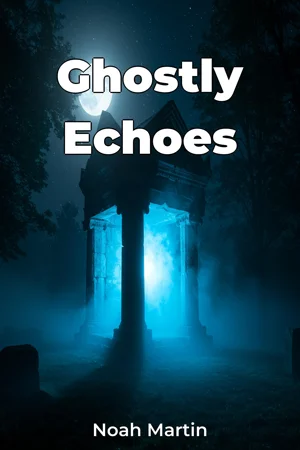
What lingers beyond the veil of mortality? "Ghostly Echoes" delves into the enduring influence of ghost legends, spirits, and supernatural beliefs on literature, folklore, and humanity's evolving understanding of the afterlife. These spectral narratives, permeating cultures worldwide, are not merely quaint superstitions but powerful lenses through which societies grapple with death, memory, trauma, and the very nature of existence. This book argues that understanding these beliefs provides critical insight into the human condition and the enduring search for meaning in the face of mortality. This exploration necessitates a journey through history, religious studies, and literary analysis. We begin by establishing the historical context of ghost beliefs, tracing their roots from ancient civilizations to contemporary spiritualist movements. This involves examining primary source materials, including early religious texts, folklore collections, and accounts of alleged paranormal events. Analyzing the societal conditions that fostered these beliefs, such as periods of widespread disease or social upheaval creates a foundation for understanding their persistent appeal. Subsequently, "Ghostly Echoes" analyzes the manifestation of these beliefs in literature and folklore. We examine how authors and storytellers have employed ghosts and supernatural entities as metaphors for psychological states, societal anxieties, and unresolved historical traumas. From Shakespeare's haunted battlements to the spectral figures in Victorian gothic novels, we illustrate how these literary constructs reflect, and often shape, popular understandings of the afterlife. Through careful textual analysis, we demonstrate how ghost stories serve as vehicles for exploring complex themes of guilt, revenge, redemption, and the persistence of the past. Furthermore, the book investigates the connection between ghost beliefs and evolving conceptions of the afterlife. By comparing and contrasting different cultural perspectives on death and the soul, we reveal the diverse ways in which societies have sought to make sense of mortality. This requires a careful consideration of anthropological research, comparative religion, and philosophical inquiries into consciousness and the nature of reality. From reincarnation beliefs in Eastern religions to the concept of purgatory in Christianity, we show how these beliefs inform ethical frameworks, social structures, and individual responses to grief and loss. The evidence presented throughout "Ghostly Echoes" draws upon a wide range of sources, including historical archives, literary texts, anthropological studies, and contemporary paranormal research. The book employs a multidisciplinary approach, integrating historical analysis with literary criticism and anthropological insights. This interdisciplinary approach allows for a nuanced and comprehensive examination of the complex relationship between ghost beliefs, cultural expression, and human understanding of the afterlife. "Ghostly Echoes" is written in an accessible and engaging style, intended for a broad audience interested in history, literature, folklore, and spirituality. It directly addresses readers seeking a deeper understanding of the cultural significance of ghost stories and the enduring human fascination with the supernatural. While acknowledging the subjective nature of paranormal experiences, the book maintains a fact-based and analytical approach, focusing on the historical and cultural context of ghost beliefs rather than attempting to prove or disprove their existence. The book's scope is primarily limited to Western cultural traditions and their historical antecedents, although comparative examples from other cultures are included to provide broader context. It aims to provide a historical and cultural overview of the topic, rather than an exhaustive examination of every ghost story or paranormal phenomenon. Ultimately, "Ghostly Echoes" offers readers a compelling exploration of the enduring power of ghost legends and their profound influence on human culture and consciousness.
What lingers beyond the veil of mortality? "Ghostly Echoes" delves into the enduring influence of ghost legends, spirits, and supernatural beliefs on literature, folklore, and humanity's evolving understanding of the afterlife. These spectral narratives, permeating cultures worldwide, are not merely quaint superstitions but powerful lenses through which societies grapple with death, memory, trauma, and the very nature of existence. This book argues that understanding these beliefs provides critical insight into the human condition and the enduring search for meaning in the face of mortality. This exploration necessitates a journey through history, religious studies, and literary analysis. We begin by establishing the historical context of ghost beliefs, tracing their roots from ancient civilizations to contemporary spiritualist movements. This involves examining primary source materials, including early religious texts, folklore collections, and accounts of alleged paranormal events. Analyzing the societal conditions that fostered these beliefs, such as periods of widespread disease or social upheaval creates a foundation for understanding their persistent appeal. Subsequently, "Ghostly Echoes" analyzes the manifestation of these beliefs in literature and folklore. We examine how authors and storytellers have employed ghosts and supernatural entities as metaphors for psychological states, societal anxieties, and unresolved historical traumas. From Shakespeare's haunted battlements to the spectral figures in Victorian gothic novels, we illustrate how these literary constructs reflect, and often shape, popular understandings of the afterlife. Through careful textual analysis, we demonstrate how ghost stories serve as vehicles for exploring complex themes of guilt, revenge, redemption, and the persistence of the past. Furthermore, the book investigates the connection between ghost beliefs and evolving conceptions of the afterlife. By comparing and contrasting different cultural perspectives on death and the soul, we reveal the diverse ways in which societies have sought to make sense of mortality. This requires a careful consideration of anthropological research, comparative religion, and philosophical inquiries into consciousness and the nature of reality. From reincarnation beliefs in Eastern religions to the concept of purgatory in Christianity, we show how these beliefs inform ethical frameworks, social structures, and individual responses to grief and loss. The evidence presented throughout "Ghostly Echoes" draws upon a wide range of sources, including historical archives, literary texts, anthropological studies, and contemporary paranormal research. The book employs a multidisciplinary approach, integrating historical analysis with literary criticism and anthropological insights. This interdisciplinary approach allows for a nuanced and comprehensive examination of the complex relationship between ghost beliefs, cultural expression, and human understanding of the afterlife. "Ghostly Echoes" is written in an accessible and engaging style, intended for a broad audience interested in history, literature, folklore, and spirituality. It directly addresses readers seeking a deeper understanding of the cultural significance of ghost stories and the enduring human fascination with the supernatural. While acknowledging the subjective nature of paranormal experiences, the book maintains a fact-based and analytical approach, focusing on the historical and cultural context of ghost beliefs rather than attempting to prove or disprove their existence. The book's scope is primarily limited to Western cultural traditions and their historical antecedents, although comparative examples from other cultures are included to provide broader context. It aims to provide a historical and cultural overview of the topic, rather than an exhaustive examination of every ghost story or paranormal phenomenon. Ultimately, "Ghostly Echoes" offers readers a compelling exploration of the enduring power of ghost legends and their profound influence on human culture and consciousness.
"Ghostly Echoes" explores the pervasive influence of ghost stories, supernatural beliefs, and folklore on our understanding of the afterlife and mortality. It argues that these narratives, far from being mere superstitions, offer vital insights into how societies confront death, memory, and the human condition. For instance, the book delves into how ghost legends, deeply embedded in Western cultural traditions, often reflect societal anxieties and unresolved historical traumas, serving as metaphors in literature and folklore. The book embarks on a journey through history and religious studies, tracing the roots of ghost beliefs from ancient civilizations to modern spiritualist movements. Examining literary analysis and primary source materials, "Ghostly Echoes" reveals how these beliefs manifest in literature, with authors using spirits to explore complex themes like guilt and redemption. The book further investigates the connection between ghost beliefs and evolving conceptions of the afterlife, comparing cultural perspectives on death and the soul to reveal diverse ways societies make sense of mortality.
Book Details
ISBN
9788235209139
Publisher
Publifye AS
Your Licenses
You don't own any licenses for this book
Purchase a license below to unlock this book and download the EPUB.
Purchase License
Select a tier to unlock this book
Need bulk licensing?
Contact us for enterprise agreements.