
About This Book
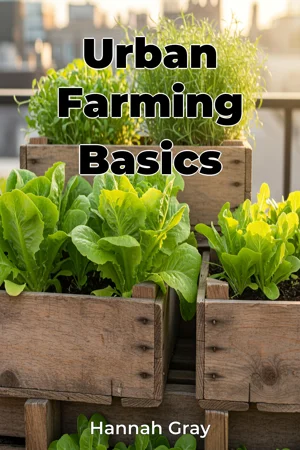
Can fresh, locally sourced food flourish within the concrete landscapes of our cities? "Urban Farming Basics" answers this question by providing a comprehensive guide to the burgeoning field of small-scale agriculture in urban environments. This book explores how individuals, communities, and even businesses are increasingly turning to urban farming as a solution to food security concerns, environmental challenges, and the desire for healthier, more sustainable lifestyles. We delve into three core aspects of urban farming: the "why," the "what," and the "how." First, we examine the significance of urban farming in addressing pressing issues such as food deserts, carbon emissions from long-distance food transportation, and the loss of green spaces in cities. We analyze how urban farms contribute to community building, educational opportunities, and improved access to nutritious food for underserved populations. Second, we detail the diverse range of methods and technologies employed in urban agriculture. This includes discussions of rooftop gardens, vertical farms, hydroponics, aquaponics, container gardening, and community gardens. We explore the specific requirements and considerations for each method, taking into account factors such as space limitations, climate, resource availability, and regulatory frameworks. Third, we provide practical guidance on how to successfully establish and maintain an urban farm. This section covers essential topics such as soil science, plant selection, pest management, composting, water conservation, and harvesting techniques. We also address the business aspects of urban farming, including marketing, sales, and financial sustainability. This book builds upon existing research in environmental science, sustainable agriculture, and urban planning. We draw upon case studies of successful urban farms around the world, showcasing innovative approaches and best practices. Additionally, we incorporate data from academic studies, government reports, and industry analyses to support our claims. We connect urban farming with other fields, such as public health, economics, and social justice. We show how urban farming initiatives can contribute to improved health outcomes, economic development, and greater social equity. Furthermore, we explore the links between urban agriculture and environmental sustainability, highlighting its potential to mitigate climate change and enhance biodiversity in cities. "Urban Farming Basics" is aimed at a broad audience, including aspiring urban farmers, community organizers, educators, policymakers, and anyone interested in creating a more sustainable and resilient food system. Whether you are a seasoned gardener or a complete beginner, this book provides the knowledge and resources you need to get started with urban farming. Each chapter features practical tips, step-by-step instructions, and helpful illustrations to guide you through the process. Acknowledging limitations, the book focuses primarily on small to medium-scale urban farming operations suitable for individual households, community groups, and small businesses. While we touch upon larger-scale commercial urban farms, our emphasis is on providing accessible information and practical guidance for those seeking to grow food in their own homes or communities. Throughout the book, we maintain a balanced and objective tone, presenting information in a clear, concise, and accessible manner. We address potential challenges and controversies associated with urban farming, such as concerns about soil contamination, water usage, and regulatory hurdles. By acknowledging these challenges and offering evidence-based solutions, we aim to provide a realistic and practical guide to urban farming. We aim to steer our audience into understanding that the implementation of these systems requires a degree of commitment and research. "Urban Farming Basics" provides readers with the foundational knowledge and practical skills needed to participate in the urban farming movement. It is a call to action, encouraging individuals and communities to take control of their food systems and create more sustainable, resilient, and equitable cities. This book is a vital resource for anyone seeking to cultivate a greener, healthier future.
Can fresh, locally sourced food flourish within the concrete landscapes of our cities? "Urban Farming Basics" answers this question by providing a comprehensive guide to the burgeoning field of small-scale agriculture in urban environments. This book explores how individuals, communities, and even businesses are increasingly turning to urban farming as a solution to food security concerns, environmental challenges, and the desire for healthier, more sustainable lifestyles. We delve into three core aspects of urban farming: the "why," the "what," and the "how." First, we examine the significance of urban farming in addressing pressing issues such as food deserts, carbon emissions from long-distance food transportation, and the loss of green spaces in cities. We analyze how urban farms contribute to community building, educational opportunities, and improved access to nutritious food for underserved populations. Second, we detail the diverse range of methods and technologies employed in urban agriculture. This includes discussions of rooftop gardens, vertical farms, hydroponics, aquaponics, container gardening, and community gardens. We explore the specific requirements and considerations for each method, taking into account factors such as space limitations, climate, resource availability, and regulatory frameworks. Third, we provide practical guidance on how to successfully establish and maintain an urban farm. This section covers essential topics such as soil science, plant selection, pest management, composting, water conservation, and harvesting techniques. We also address the business aspects of urban farming, including marketing, sales, and financial sustainability. This book builds upon existing research in environmental science, sustainable agriculture, and urban planning. We draw upon case studies of successful urban farms around the world, showcasing innovative approaches and best practices. Additionally, we incorporate data from academic studies, government reports, and industry analyses to support our claims. We connect urban farming with other fields, such as public health, economics, and social justice. We show how urban farming initiatives can contribute to improved health outcomes, economic development, and greater social equity. Furthermore, we explore the links between urban agriculture and environmental sustainability, highlighting its potential to mitigate climate change and enhance biodiversity in cities. "Urban Farming Basics" is aimed at a broad audience, including aspiring urban farmers, community organizers, educators, policymakers, and anyone interested in creating a more sustainable and resilient food system. Whether you are a seasoned gardener or a complete beginner, this book provides the knowledge and resources you need to get started with urban farming. Each chapter features practical tips, step-by-step instructions, and helpful illustrations to guide you through the process. Acknowledging limitations, the book focuses primarily on small to medium-scale urban farming operations suitable for individual households, community groups, and small businesses. While we touch upon larger-scale commercial urban farms, our emphasis is on providing accessible information and practical guidance for those seeking to grow food in their own homes or communities. Throughout the book, we maintain a balanced and objective tone, presenting information in a clear, concise, and accessible manner. We address potential challenges and controversies associated with urban farming, such as concerns about soil contamination, water usage, and regulatory hurdles. By acknowledging these challenges and offering evidence-based solutions, we aim to provide a realistic and practical guide to urban farming. We aim to steer our audience into understanding that the implementation of these systems requires a degree of commitment and research. "Urban Farming Basics" provides readers with the foundational knowledge and practical skills needed to participate in the urban farming movement. It is a call to action, encouraging individuals and communities to take control of their food systems and create more sustainable, resilient, and equitable cities. This book is a vital resource for anyone seeking to cultivate a greener, healthier future.
"Urban Farming Basics" explores the growing movement of cultivating food within cities, addressing food security and promoting sustainable lifestyles. The book delves into the significance of urban agriculture, highlighting its ability to combat food deserts and reduce carbon emissions from long-distance food transportation. Readers will discover how community gardens and rooftop farms can transform urban spaces, fostering community engagement and providing access to fresh, nutritious produce. The book systematically progresses through key elements, starting with the "why" – exploring the benefits and impacts of urban farming. It then moves to the "what," detailing the diverse methods like hydroponics, aquaponics, and container gardening, each adapted to unique urban environments. Finally, the "how" section provides practical guidance on establishing and maintaining an urban farm, covering essential topics such as pest management, composting, and sustainable harvesting techniques. This guide stands out by balancing practical advice with broader environmental and social considerations. It emphasizes small to medium-scale operations, making urban farming accessible to individuals and communities. It provides a realistic view of the challenges and opportunities within urban agriculture, encouraging readers to actively participate in building more sustainable and resilient food systems.
Book Details
ISBN
9788235209078
Publisher
Publifye AS
Your Licenses
You don't own any licenses for this book
Purchase a license below to unlock this book and download the EPUB.
Purchase License
Select a tier to unlock this book
Need bulk licensing?
Contact us for enterprise agreements.