
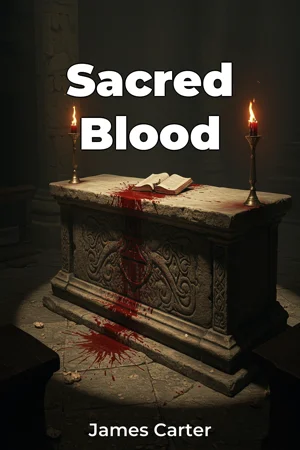
About This Book
Why has blood, the very essence of life, so often been associated with death, sacrifice, and the divine? "Sacred Blood" delves into the multifaceted significance of blood across cultures and throughout history, exploring its pervasive role in religious rituals, martyrdom narratives, and symbolic purification practices. This book is vital because it offers a unique lens through which to understand the deep-seated human fascination with blood, a substance that simultaneously evokes life and death, purity and impurity, the sacred and the profane. This exploration requires a journey through diverse historical, anthropological, and religious contexts. We will examine ancient sacrificial rites, medieval martyrdom accounts, and contemporary purification ceremonies. Understanding the symbolic language of blood necessitates a grasp of its physiological properties as life-sustaining fluid and its psychological power as a potent symbol. The central argument of "Sacred Blood" posits that the enduring power of blood as a symbol lies in its liminal nature: it exists on the threshold between life and death, the human and the divine, the clean and the unclean. This liminality makes blood a uniquely potent medium for conveying complex religious, social, and psychological meanings. The book begins by introducing the primary concepts of blood symbolism. We will then move into major sections exploring: a) Blood Sacrifice: Examining the historical development and theological underpinnings of blood sacrifice in various religions, from ancient Near Eastern traditions to contemporary practices. b) Martyrdom and Blood Witness: Analyzing the role of blood in shaping narratives of martyrdom, focusing on how the shedding of blood becomes a powerful testament to faith and a source of spiritual potency. c) Blood and Purification: Investigating the use of blood in purification rituals, both literal and symbolic, exploring its perceived ability to cleanse physical and spiritual impurities. Finally, the book culminates by synthesizing these diverse perspectives into a cohesive understanding of blood's enduring significance in human culture. The evidence presented in "Sacred Blood" draws from a wide array of sources, including religious texts, archaeological findings, anthropological studies, and historical accounts. Unique data sources include previously untranslated texts detailing blood rituals and analyses of artistic representations of blood in religious iconography. "Sacred Blood" connects to other fields such as anthropology, sociology, and art history. Anthropological perspectives offer insight into the cultural context of blood rituals. Sociological analyses illuminate the social functions of blood symbolism in maintaining group cohesion. Art historical interpretations reveal how blood imagery has been used to convey religious and cultural messages. This book offers a unique perspective by exploring the interconnectedness of these seemingly disparate themes—sacrifice, martyrdom, and purification—through the unifying lens of blood symbolism. This integrated approach provides a more holistic and nuanced understanding of blood's cultural significance than previous studies. The tone is academic yet accessible, striving for clarity and precision while remaining engaging and thought-provoking. The writing style blends scholarly analysis with vivid historical accounts, aiming to captivate both academic and general readers. The target audience includes students and scholars of religion, history, and anthropology, as well as general readers interested in the cultural and symbolic significance of blood. The book will appeal to those seeking a deeper understanding of the complex relationship between blood, religion, and human culture. As a work of non-fiction, "Sacred Blood" adheres to the genre's expectations of accuracy, objectivity, and thorough research. While covering a broad range of cultures and historical periods, the book's scope is limited to examining the specific themes of sacrifice, martyrdom, and purification, excluding other potential areas of inquiry, such as the medical uses of blood. The insights presented in "Sacred Blood" can be applied to understanding contemporary debates surrounding blood donation, organ transplantation, and the ethical implications of blood-related technologies. By understanding the historical and cultural significance of blood, we can better navigate these complex issues. The book will address controversies surrounding the interpretation of blood rituals and the ethics of blood sacrifice. These controversies will be presented in a balanced and nuanced manner, encouraging critical thinking and informed discussion.
Why has blood, the very essence of life, so often been associated with death, sacrifice, and the divine? "Sacred Blood" delves into the multifaceted significance of blood across cultures and throughout history, exploring its pervasive role in religious rituals, martyrdom narratives, and symbolic purification practices. This book is vital because it offers a unique lens through which to understand the deep-seated human fascination with blood, a substance that simultaneously evokes life and death, purity and impurity, the sacred and the profane. This exploration requires a journey through diverse historical, anthropological, and religious contexts. We will examine ancient sacrificial rites, medieval martyrdom accounts, and contemporary purification ceremonies. Understanding the symbolic language of blood necessitates a grasp of its physiological properties as life-sustaining fluid and its psychological power as a potent symbol. The central argument of "Sacred Blood" posits that the enduring power of blood as a symbol lies in its liminal nature: it exists on the threshold between life and death, the human and the divine, the clean and the unclean. This liminality makes blood a uniquely potent medium for conveying complex religious, social, and psychological meanings. The book begins by introducing the primary concepts of blood symbolism. We will then move into major sections exploring: a) Blood Sacrifice: Examining the historical development and theological underpinnings of blood sacrifice in various religions, from ancient Near Eastern traditions to contemporary practices. b) Martyrdom and Blood Witness: Analyzing the role of blood in shaping narratives of martyrdom, focusing on how the shedding of blood becomes a powerful testament to faith and a source of spiritual potency. c) Blood and Purification: Investigating the use of blood in purification rituals, both literal and symbolic, exploring its perceived ability to cleanse physical and spiritual impurities. Finally, the book culminates by synthesizing these diverse perspectives into a cohesive understanding of blood's enduring significance in human culture. The evidence presented in "Sacred Blood" draws from a wide array of sources, including religious texts, archaeological findings, anthropological studies, and historical accounts. Unique data sources include previously untranslated texts detailing blood rituals and analyses of artistic representations of blood in religious iconography. "Sacred Blood" connects to other fields such as anthropology, sociology, and art history. Anthropological perspectives offer insight into the cultural context of blood rituals. Sociological analyses illuminate the social functions of blood symbolism in maintaining group cohesion. Art historical interpretations reveal how blood imagery has been used to convey religious and cultural messages. This book offers a unique perspective by exploring the interconnectedness of these seemingly disparate themes—sacrifice, martyrdom, and purification—through the unifying lens of blood symbolism. This integrated approach provides a more holistic and nuanced understanding of blood's cultural significance than previous studies. The tone is academic yet accessible, striving for clarity and precision while remaining engaging and thought-provoking. The writing style blends scholarly analysis with vivid historical accounts, aiming to captivate both academic and general readers. The target audience includes students and scholars of religion, history, and anthropology, as well as general readers interested in the cultural and symbolic significance of blood. The book will appeal to those seeking a deeper understanding of the complex relationship between blood, religion, and human culture. As a work of non-fiction, "Sacred Blood" adheres to the genre's expectations of accuracy, objectivity, and thorough research. While covering a broad range of cultures and historical periods, the book's scope is limited to examining the specific themes of sacrifice, martyrdom, and purification, excluding other potential areas of inquiry, such as the medical uses of blood. The insights presented in "Sacred Blood" can be applied to understanding contemporary debates surrounding blood donation, organ transplantation, and the ethical implications of blood-related technologies. By understanding the historical and cultural significance of blood, we can better navigate these complex issues. The book will address controversies surrounding the interpretation of blood rituals and the ethics of blood sacrifice. These controversies will be presented in a balanced and nuanced manner, encouraging critical thinking and informed discussion.
"Sacred Blood" explores the profound and often paradoxical role of blood throughout history and across diverse cultures. It examines how this life-sustaining fluid, so intrinsically linked to death, has become a potent symbol in religious rituals, martyrdom narratives, and purification practices. The book delves into the human fascination with blood, revealing its power to evoke both life and death, purity and impurity. The book approaches this complex topic by exploring three major themes: blood sacrifice, martyrdom, and purification. Beginning with an introduction to blood symbolism, it progresses through historical analyses of blood sacrifice in various religions, examines the role of blood in shaping narratives of martyrdom, and investigates the use of blood in purification rituals. The unique value of "Sacred Blood" lies in its integrated approach, connecting these themes through the unifying lens of blood, offering a nuanced understanding of its cultural significance and symbolic purification. Drawing from religious texts, archaeological findings, and anthropological studies, the book argues that blood's enduring power stems from its liminal nature—existing on the threshold between life and death, the human and the divine. This liminality makes blood a uniquely potent medium for conveying complex religious, social, and psychological meanings. For example, the act of martyrdom, where blood is shed as a testament to faith, becomes a powerful source of spiritual potency, demonstrating blood's central role in religious history.
Book Details
ISBN
9788235208989
Publisher
Publifye AS
Your Licenses
You don't own any licenses for this book
Purchase a license below to unlock this book and download the EPUB.
Purchase License
Select a tier to unlock this book
Need bulk licensing?
Contact us for enterprise agreements.