
About This Book
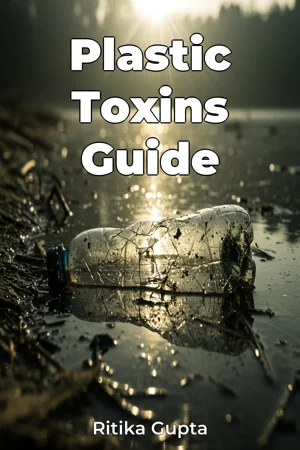
Are the plastics in your life silently jeopardizing your health? "Plastic Toxins Guide" is your comprehensive resource for understanding the hidden dangers lurking within everyday plastic products and their potential impact on your well-being and the environment. This book delves into the complex world of plastic chemicals, their pervasive presence in our lives, and the mounting evidence linking them to a range of health concerns. The book will cover two critical areas: the identification of harmful chemicals commonly found in plastics, such as phthalates, bisphenols (including BPA), and PFAS, and an exploration of the potential health risks associated with exposure to these substances. These risks range from endocrine disruption and reproductive issues to increased susceptibility to certain cancers and developmental problems. We consider these topics essential, as the widespread use of plastics has resulted in near-ubiquitous human exposure, making it crucial for individuals to comprehend and mitigate these risks to protect their health. To provide context, the book will briefly trace the history of plastics production and their integration into modern society, highlighting the exponential growth in plastic usage since the mid-20th century. It will also touch upon the regulatory landscape surrounding plastic chemicals, examining the current limitations in testing and oversight. Readers will not need prior scientific knowledge; explanations will be clear and accessible. The central argument of "Plastic Toxins Guide" is that while plastics have undeniably revolutionized numerous industries, the potential health consequences of exposure to their chemical components have been inadequately addressed. By providing a comprehensive overview of the science, this book empowers readers to make informed decisions about their plastic consumption and advocate for safer alternatives. The book is structured to guide the reader from basic concepts to practical applications. First, it introduces the different types of plastics and the chemicals commonly added during their production. Second, it delves into the science of how these chemicals can leach from plastics into food, water, and air, and how they interact with the human body. Subsequent chapters focus on specific health risks linked to these chemicals, providing detailed explanations of the scientific evidence. The book culminates with a guide to reducing plastic exposure in various aspects of daily life, including food and beverage consumption, personal care products, and home furnishings. The book draws on a wide range of scientific literature, including peer-reviewed studies, government reports, and expert opinions from toxicologists and environmental health scientists. Particular emphasis is placed on studies that assess human exposure levels and their correlation with health outcomes. "Plastic Toxins Guide" connects to several interconnected fields, including environmental science, public health, and toxicology. The book will also touch upon the economic implications of plastic production and waste management, and the social justice issues related to disproportionate exposure in vulnerable communities. This book distinguishes itself by providing an accessible and practical guide to navigating the complex science of plastic toxins. It aims to empower readers with actionable information, enabling them to make informed choices to protect their health and advocate for broader systemic changes. The tone is informative and balanced, presenting scientific evidence in a clear and understandable manner without resorting to alarmism. The target audience includes health-conscious individuals, parents, environmental advocates, and anyone seeking to understand the potential health risks associated with plastic exposure. This book will be valuable to those seeking practical guidance on reducing their exposure and making informed consumer choices. As a book in the 'Health & Fitness, Health Fitness, Environment' genres it delivers practical advise while ensuring scientifically valid information. The book focuses primarily on the health risks associated with exposure to chemicals in plastics. While it touches on the environmental impact of plastic waste, it does not delve deeply into issues such as ocean pollution or microplastics. Readers will learn practical strategies for reducing their exposure to plastic toxins, such as choosing alternative materials, avoiding certain types of plastic containers, and advocating for safer products. The book will address existing debates regarding the safety of certain plastic chemicals, acknowledging the varying perspectives of industry groups, regulatory agencies, and scientific researchers. It will present a balanced overview of the evidence, allowing readers to draw their own informed conclusions.
Are the plastics in your life silently jeopardizing your health? "Plastic Toxins Guide" is your comprehensive resource for understanding the hidden dangers lurking within everyday plastic products and their potential impact on your well-being and the environment. This book delves into the complex world of plastic chemicals, their pervasive presence in our lives, and the mounting evidence linking them to a range of health concerns. The book will cover two critical areas: the identification of harmful chemicals commonly found in plastics, such as phthalates, bisphenols (including BPA), and PFAS, and an exploration of the potential health risks associated with exposure to these substances. These risks range from endocrine disruption and reproductive issues to increased susceptibility to certain cancers and developmental problems. We consider these topics essential, as the widespread use of plastics has resulted in near-ubiquitous human exposure, making it crucial for individuals to comprehend and mitigate these risks to protect their health. To provide context, the book will briefly trace the history of plastics production and their integration into modern society, highlighting the exponential growth in plastic usage since the mid-20th century. It will also touch upon the regulatory landscape surrounding plastic chemicals, examining the current limitations in testing and oversight. Readers will not need prior scientific knowledge; explanations will be clear and accessible. The central argument of "Plastic Toxins Guide" is that while plastics have undeniably revolutionized numerous industries, the potential health consequences of exposure to their chemical components have been inadequately addressed. By providing a comprehensive overview of the science, this book empowers readers to make informed decisions about their plastic consumption and advocate for safer alternatives. The book is structured to guide the reader from basic concepts to practical applications. First, it introduces the different types of plastics and the chemicals commonly added during their production. Second, it delves into the science of how these chemicals can leach from plastics into food, water, and air, and how they interact with the human body. Subsequent chapters focus on specific health risks linked to these chemicals, providing detailed explanations of the scientific evidence. The book culminates with a guide to reducing plastic exposure in various aspects of daily life, including food and beverage consumption, personal care products, and home furnishings. The book draws on a wide range of scientific literature, including peer-reviewed studies, government reports, and expert opinions from toxicologists and environmental health scientists. Particular emphasis is placed on studies that assess human exposure levels and their correlation with health outcomes. "Plastic Toxins Guide" connects to several interconnected fields, including environmental science, public health, and toxicology. The book will also touch upon the economic implications of plastic production and waste management, and the social justice issues related to disproportionate exposure in vulnerable communities. This book distinguishes itself by providing an accessible and practical guide to navigating the complex science of plastic toxins. It aims to empower readers with actionable information, enabling them to make informed choices to protect their health and advocate for broader systemic changes. The tone is informative and balanced, presenting scientific evidence in a clear and understandable manner without resorting to alarmism. The target audience includes health-conscious individuals, parents, environmental advocates, and anyone seeking to understand the potential health risks associated with plastic exposure. This book will be valuable to those seeking practical guidance on reducing their exposure and making informed consumer choices. As a book in the 'Health & Fitness, Health Fitness, Environment' genres it delivers practical advise while ensuring scientifically valid information. The book focuses primarily on the health risks associated with exposure to chemicals in plastics. While it touches on the environmental impact of plastic waste, it does not delve deeply into issues such as ocean pollution or microplastics. Readers will learn practical strategies for reducing their exposure to plastic toxins, such as choosing alternative materials, avoiding certain types of plastic containers, and advocating for safer products. The book will address existing debates regarding the safety of certain plastic chemicals, acknowledging the varying perspectives of industry groups, regulatory agencies, and scientific researchers. It will present a balanced overview of the evidence, allowing readers to draw their own informed conclusions.
"Plastic Toxins Guide" tackles the pervasive issue of harmful plastic chemicals and their impact on human health and the environment. It highlights how everyday plastics can expose us to toxins like phthalates, bisphenols (including BPA), and PFAS, which are linked to endocrine disruption, reproductive issues, and even increased cancer risk. Understanding the potential health risks associated with plastic exposure is crucial, especially given the exponential increase in plastic usage since the mid-20th century. The book navigates the complex science behind how these chemicals leach into our food, water, and air, and subsequently interact with our bodies. By drawing upon scientific literature, government reports, and expert opinions, "Plastic Toxins Guide" empowers readers to make informed decisions about their plastic consumption. It uniquely progresses from basic concepts to practical applications, culminating in a guide to reducing plastic exposure in daily life, from food choices to home furnishings. Ultimately, this guide provides actionable information for health-conscious individuals and environmental advocates alike. It addresses the science in an accessible way, enabling readers to reduce their exposure and advocate for systemic changes towards safer alternatives.
Book Details
ISBN
9788235208927
Publisher
Publifye AS
Your Licenses
You don't own any licenses for this book
Purchase a license below to unlock this book and download the EPUB.
Purchase License
Select a tier to unlock this book
Need bulk licensing?
Contact us for enterprise agreements.