
About This Book
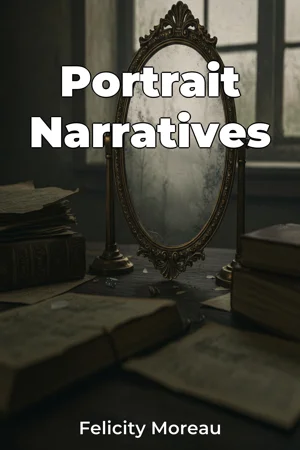
How have authors throughout history constructed identity through the art of portraiture in literature, and what do these representations reveal about both the subject and the society in which they were created? "Portrait Narratives" delves into the rich history of literary portraiture, examining how writers have used descriptive techniques to shape perceptions of character and convey deeper cultural meanings. This book explores the dual nature of portraits as both reflections of individual identity and products of their time, offering readers a comprehensive understanding of their enduring significance. This book addresses three central topics. First, it examines the evolution of portraiture from ancient texts to modern novels, charting changes in style, purpose, and cultural context. Second, it investigates the techniques authors employ to construct character through physical description, inner monologue, and social interactions. Third, it analyzes how these portraits reflect broader societal values, biases, and power dynamics. These topics are crucial as they illuminate the complex interplay between literature, identity, and history. To fully appreciate the nuances of literary portraiture, readers will benefit from a basic understanding of literary analysis and historical context. Familiarity with major literary movements and social history will enhance comprehension but is not strictly required, as key concepts will be explained. "Portrait Narratives" argues that literary portraits are not merely descriptive passages; they are active constructions of identity that reflect both individual subjectivity and prevailing social ideologies. By examining how authors choose to represent their characters, we gain insight into the cultural values, biases, and power structures embedded within the text and the society it reflects. The book begins by introducing the concept of literary portraiture and tracing its historical development. It then proceeds with key points that are explored in depth. Chapters will analyze specific literary works, showcasing diverse approaches to character representation across different periods and genres. These analyses investigate how authors utilize elements such as physical appearance, speech, and actions to craft compelling portraits but also explore the use of the unreliable narrator whose own biases construct a questionable portrait that reveals more about the narrator. A culmination of the book will address the reader directly by discussing the implications of these portraits for understanding identity formation, social justice, and the power of representation in literature and beyond. The analysis presented is supported by close readings of literary texts, historical research on social and cultural contexts, and insights from literary criticism and art history. Data sources include primary literary works, historical documents, and secondary scholarship from various disciplines. "Portrait Narratives" connects to other fields of study, including sociology, psychology, and art history. The book analyzes how literary portraits reflect and shape social perceptions of identity, influence psychological understanding of character, and relate to visual representations of individuals in art. These connections enrich our understanding of how identity is constructed across different forms of representation. This book offers a unique perspective by examining literary portraiture as a dynamic process of negotiation between individual expression and social expectations. It moves beyond traditional approaches to character analysis by emphasizing the cultural and historical contexts in which portraits are created and interpreted. The tone will be scholarly yet accessible, blending rigorous analysis with engaging prose. The writing style aims to be clear, concise, and thought-provoking, making the book suitable for both academic and general readers. The target audience includes students and scholars of literature, history, and cultural studies, as well as general readers interested in exploring the connections between literature, identity, and society. This book will be valuable to anyone seeking a deeper understanding of how authors shape our perceptions of character and reflect the complexities of human experience. As a work of non-fiction, "Portrait Narratives" adheres to the conventions of scholarly research, providing evidence-based analysis, clear argumentation, and thorough documentation of sources. The scope is limited to literary portraiture in Western literature, with a focus on major works and authors. While acknowledging the diversity of literary traditions, the book does not attempt to provide an exhaustive survey of portraiture across all cultures and time periods. The insights gained from "Portrait Narratives" can be applied to various real-world contexts. For example, understanding how literary portraits shape perceptions of identity can inform discussions of representation in media, politics, and everyday life. Additionally, analyzing the power dynamics embedded in portraiture can help readers critically evaluate the narratives they encounter and promote greater awareness of social justice issues. "Portrait Narratives" addresses ongoing debates about the nature of identity, the role of representation in shaping perceptions, and the relationship between literature and society. By providing a nuanced and historically informed analysis of literary portraiture, this book contributes to these ongoing conversations.
How have authors throughout history constructed identity through the art of portraiture in literature, and what do these representations reveal about both the subject and the society in which they were created? "Portrait Narratives" delves into the rich history of literary portraiture, examining how writers have used descriptive techniques to shape perceptions of character and convey deeper cultural meanings. This book explores the dual nature of portraits as both reflections of individual identity and products of their time, offering readers a comprehensive understanding of their enduring significance. This book addresses three central topics. First, it examines the evolution of portraiture from ancient texts to modern novels, charting changes in style, purpose, and cultural context. Second, it investigates the techniques authors employ to construct character through physical description, inner monologue, and social interactions. Third, it analyzes how these portraits reflect broader societal values, biases, and power dynamics. These topics are crucial as they illuminate the complex interplay between literature, identity, and history. To fully appreciate the nuances of literary portraiture, readers will benefit from a basic understanding of literary analysis and historical context. Familiarity with major literary movements and social history will enhance comprehension but is not strictly required, as key concepts will be explained. "Portrait Narratives" argues that literary portraits are not merely descriptive passages; they are active constructions of identity that reflect both individual subjectivity and prevailing social ideologies. By examining how authors choose to represent their characters, we gain insight into the cultural values, biases, and power structures embedded within the text and the society it reflects. The book begins by introducing the concept of literary portraiture and tracing its historical development. It then proceeds with key points that are explored in depth. Chapters will analyze specific literary works, showcasing diverse approaches to character representation across different periods and genres. These analyses investigate how authors utilize elements such as physical appearance, speech, and actions to craft compelling portraits but also explore the use of the unreliable narrator whose own biases construct a questionable portrait that reveals more about the narrator. A culmination of the book will address the reader directly by discussing the implications of these portraits for understanding identity formation, social justice, and the power of representation in literature and beyond. The analysis presented is supported by close readings of literary texts, historical research on social and cultural contexts, and insights from literary criticism and art history. Data sources include primary literary works, historical documents, and secondary scholarship from various disciplines. "Portrait Narratives" connects to other fields of study, including sociology, psychology, and art history. The book analyzes how literary portraits reflect and shape social perceptions of identity, influence psychological understanding of character, and relate to visual representations of individuals in art. These connections enrich our understanding of how identity is constructed across different forms of representation. This book offers a unique perspective by examining literary portraiture as a dynamic process of negotiation between individual expression and social expectations. It moves beyond traditional approaches to character analysis by emphasizing the cultural and historical contexts in which portraits are created and interpreted. The tone will be scholarly yet accessible, blending rigorous analysis with engaging prose. The writing style aims to be clear, concise, and thought-provoking, making the book suitable for both academic and general readers. The target audience includes students and scholars of literature, history, and cultural studies, as well as general readers interested in exploring the connections between literature, identity, and society. This book will be valuable to anyone seeking a deeper understanding of how authors shape our perceptions of character and reflect the complexities of human experience. As a work of non-fiction, "Portrait Narratives" adheres to the conventions of scholarly research, providing evidence-based analysis, clear argumentation, and thorough documentation of sources. The scope is limited to literary portraiture in Western literature, with a focus on major works and authors. While acknowledging the diversity of literary traditions, the book does not attempt to provide an exhaustive survey of portraiture across all cultures and time periods. The insights gained from "Portrait Narratives" can be applied to various real-world contexts. For example, understanding how literary portraits shape perceptions of identity can inform discussions of representation in media, politics, and everyday life. Additionally, analyzing the power dynamics embedded in portraiture can help readers critically evaluate the narratives they encounter and promote greater awareness of social justice issues. "Portrait Narratives" addresses ongoing debates about the nature of identity, the role of representation in shaping perceptions, and the relationship between literature and society. By providing a nuanced and historically informed analysis of literary portraiture, this book contributes to these ongoing conversations.
"Portrait Narratives" explores how authors have crafted identity through literary portraiture, revealing much about both the subject and the society in which they were created. This comprehensive analysis examines techniques used to shape character perceptions and convey cultural meanings. Literary portraits, it argues, are active constructions reflecting individual subjectivity and social ideologies. For instance, the book delves into how physical descriptions, inner monologues, and social interactions are employed to construct character, further exploring how unreliable narrators can skew these portraits, revealing more about themselves. The book traces the evolution of literary portraiture from ancient texts to modern novels, highlighting changes in style and purpose. It analyzes how portraits reflect societal values, biases, and power dynamics, offering a unique perspective on the interplay between literature, identity, and history. Through close readings of literary texts and historical research, the book progresses by first introducing literary portraiture and its historical development, with later chapters analyzing specific works across periods and genres. It concludes by discussing the implications of these portraits for understanding identity formation and social justice.
Book Details
ISBN
9788235208767
Publisher
Publifye AS
Your Licenses
You don't own any licenses for this book
Purchase a license below to unlock this book and download the EPUB.
Purchase License
Select a tier to unlock this book
Need bulk licensing?
Contact us for enterprise agreements.