
About This Book
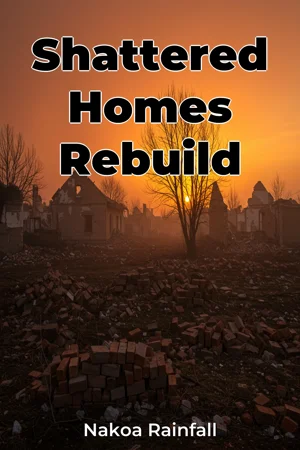
How do societies rebuild not just infrastructure, but also lives, in the aftermath of devastating conflict? "Shattered Homes Rebuild" examines the multifaceted post-war recovery process, focusing on the critical role of collective labor and resource mobilization in restoring communities. This book explores how societies, grappling with loss and destruction, utilize communal efforts to reconstruct housing, economies, and social structures, illuminating the pathways towards resilience and renewal. The central topics include collective labor initiatives, resource allocation strategies, and the evolution of community structures in post-war settings. These topics are vital because they reveal practical approaches societies employ to overcome adversity, offering insights into effective recovery models applicable across diverse contexts. Understanding these mechanisms is particularly relevant in an era marked by ongoing conflicts and humanitarian crises, providing valuable lessons for policymakers, aid organizations, and communities facing similar challenges. This analysis is framed within a historical context spanning multiple post-war scenarios, from the reconstruction efforts following World War II to more recent conflicts in various regions. Readers should have a general understanding of 20th and 21st-century history, particularly concerning the impacts of war on civilian populations and societal infrastructure. "Shattered Homes Rebuild" argues that successful post-war recovery hinges on the ability of communities to harness collective action and equitably distribute resources. This argument challenges purely top-down or market-driven approaches to reconstruction, highlighting the importance of local participation and ownership in fostering sustainable recovery. This perspective is crucial for shifting the focus from immediate relief to long-term resilience, ensuring that reconstruction efforts address the underlying social and economic factors that contributed to the conflict. The book begins by introducing the core concepts of collective labor, resource mobilization, and community resilience. It then develops these ideas through three major sections. The first examines case studies of successful collective labor initiatives, analyzing their organizational structures, funding mechanisms, and impact on housing reconstruction. The second section explores diverse resource allocation strategies, comparing the effectiveness of centralized versus decentralized approaches and assessing the role of international aid. The third section investigates the evolution of community structures, examining how post-war societies adapt traditional social networks and create new institutions to support recovery. The book culminates by synthesizing these findings to propose a framework for effective post-war reconstruction, emphasizing the integration of collective action, equitable resource distribution, and community-led development. Evidence presented includes archival data, statistical analyses of reconstruction outcomes, and firsthand accounts gathered through interviews with individuals involved in post-war recovery efforts. The book also draws upon unique datasets compiled from governmental reports and non-governmental organization records, providing a comprehensive picture of reconstruction processes. "Shattered Homes Rebuild" connects to several other fields: sociology (particularly the study of social movements and community development), economics (focusing on resource allocation and development economics), and political science (examining governance and international relations in post-conflict settings). These connections deepen the analysis by providing diverse perspectives on the challenges and opportunities of post-war recovery. The book offers a unique perspective by emphasizing the agency of local communities in shaping their own recovery trajectories. This approach challenges conventional narratives that often portray post-war populations as passive recipients of aid, highlighting their capacity for innovation and resilience. The tone of the book is academic yet accessible, presenting complex information in a clear and engaging manner. The writing style blends rigorous analysis with compelling narratives, making the book appealing to both scholars and general readers interested in post-conflict studies and international development. The target audience includes academics and students in social sciences, history, and international relations, as well as policymakers, aid workers, and individuals interested in understanding the complexities of post-war recovery. The book offers valuable insights for practitioners involved in humanitarian assistance and development, providing practical guidance on how to support community-led reconstruction efforts. As a work of social science and history, "Shattered Homes Rebuild" adheres to the genre's emphasis on empirical evidence, rigorous analysis, and clear argumentation. The book builds upon existing scholarship in post-conflict studies while offering a fresh perspective on the role of collective action in fostering sustainable recovery. The scope of the book covers a range of post-war contexts but focuses primarily on the period following World War II to the present. While the book acknowledges the diversity of post-conflict experiences, it does not attempt to provide a comprehensive overview of every reconstruction effort. Instead, it focuses on identifying common themes and patterns that can inform future interventions. The information presented has real-world applications for policymakers seeking to design effective reconstruction policies, aid organizations aiming to support community-led initiatives, and communities themselves striving to rebuild their lives and livelihoods. "Shattered Homes Rebuild" engages with ongoing debates in the field of post-conflict studies, particularly concerning the appropriate balance between top-down and bottom-up approaches to reconstruction, the role of international aid, and the importance of addressing underlying social and economic inequalities. By offering a nuanced perspective on these issues, the book aims to contribute to a more informed and effective approach to post-war recovery.
How do societies rebuild not just infrastructure, but also lives, in the aftermath of devastating conflict? "Shattered Homes Rebuild" examines the multifaceted post-war recovery process, focusing on the critical role of collective labor and resource mobilization in restoring communities. This book explores how societies, grappling with loss and destruction, utilize communal efforts to reconstruct housing, economies, and social structures, illuminating the pathways towards resilience and renewal. The central topics include collective labor initiatives, resource allocation strategies, and the evolution of community structures in post-war settings. These topics are vital because they reveal practical approaches societies employ to overcome adversity, offering insights into effective recovery models applicable across diverse contexts. Understanding these mechanisms is particularly relevant in an era marked by ongoing conflicts and humanitarian crises, providing valuable lessons for policymakers, aid organizations, and communities facing similar challenges. This analysis is framed within a historical context spanning multiple post-war scenarios, from the reconstruction efforts following World War II to more recent conflicts in various regions. Readers should have a general understanding of 20th and 21st-century history, particularly concerning the impacts of war on civilian populations and societal infrastructure. "Shattered Homes Rebuild" argues that successful post-war recovery hinges on the ability of communities to harness collective action and equitably distribute resources. This argument challenges purely top-down or market-driven approaches to reconstruction, highlighting the importance of local participation and ownership in fostering sustainable recovery. This perspective is crucial for shifting the focus from immediate relief to long-term resilience, ensuring that reconstruction efforts address the underlying social and economic factors that contributed to the conflict. The book begins by introducing the core concepts of collective labor, resource mobilization, and community resilience. It then develops these ideas through three major sections. The first examines case studies of successful collective labor initiatives, analyzing their organizational structures, funding mechanisms, and impact on housing reconstruction. The second section explores diverse resource allocation strategies, comparing the effectiveness of centralized versus decentralized approaches and assessing the role of international aid. The third section investigates the evolution of community structures, examining how post-war societies adapt traditional social networks and create new institutions to support recovery. The book culminates by synthesizing these findings to propose a framework for effective post-war reconstruction, emphasizing the integration of collective action, equitable resource distribution, and community-led development. Evidence presented includes archival data, statistical analyses of reconstruction outcomes, and firsthand accounts gathered through interviews with individuals involved in post-war recovery efforts. The book also draws upon unique datasets compiled from governmental reports and non-governmental organization records, providing a comprehensive picture of reconstruction processes. "Shattered Homes Rebuild" connects to several other fields: sociology (particularly the study of social movements and community development), economics (focusing on resource allocation and development economics), and political science (examining governance and international relations in post-conflict settings). These connections deepen the analysis by providing diverse perspectives on the challenges and opportunities of post-war recovery. The book offers a unique perspective by emphasizing the agency of local communities in shaping their own recovery trajectories. This approach challenges conventional narratives that often portray post-war populations as passive recipients of aid, highlighting their capacity for innovation and resilience. The tone of the book is academic yet accessible, presenting complex information in a clear and engaging manner. The writing style blends rigorous analysis with compelling narratives, making the book appealing to both scholars and general readers interested in post-conflict studies and international development. The target audience includes academics and students in social sciences, history, and international relations, as well as policymakers, aid workers, and individuals interested in understanding the complexities of post-war recovery. The book offers valuable insights for practitioners involved in humanitarian assistance and development, providing practical guidance on how to support community-led reconstruction efforts. As a work of social science and history, "Shattered Homes Rebuild" adheres to the genre's emphasis on empirical evidence, rigorous analysis, and clear argumentation. The book builds upon existing scholarship in post-conflict studies while offering a fresh perspective on the role of collective action in fostering sustainable recovery. The scope of the book covers a range of post-war contexts but focuses primarily on the period following World War II to the present. While the book acknowledges the diversity of post-conflict experiences, it does not attempt to provide a comprehensive overview of every reconstruction effort. Instead, it focuses on identifying common themes and patterns that can inform future interventions. The information presented has real-world applications for policymakers seeking to design effective reconstruction policies, aid organizations aiming to support community-led initiatives, and communities themselves striving to rebuild their lives and livelihoods. "Shattered Homes Rebuild" engages with ongoing debates in the field of post-conflict studies, particularly concerning the appropriate balance between top-down and bottom-up approaches to reconstruction, the role of international aid, and the importance of addressing underlying social and economic inequalities. By offering a nuanced perspective on these issues, the book aims to contribute to a more informed and effective approach to post-war recovery.
"Shattered Homes Rebuild" delves into the crucial processes of post-war recovery, highlighting how collective labor and resource mobilization are essential for community resilience. The book examines various post-conflict scenarios, from World War II to more recent humanitarian crises, to understand how societies rebuild homes, economies, and social structures. It argues that successful reconstruction depends on harnessing collective action and fairly distributing resources, challenging top-down approaches. For example, examining how communities adapted traditional social networks or created new institutions can provide insights into effective recovery models. The book unfolds by initially introducing core concepts like collective labor and resource mobilization. It then progresses through case studies of successful initiatives, explores diverse resource allocation strategies, and investigates the evolution of community structures. By emphasizing local participation and ownership, "Shattered Homes Rebuild" offers a unique perspective on fostering sustainable recovery, shifting the focus from immediate relief to long-term resilience. The book is valuable for policymakers, aid organizations, and anyone interested in understanding effective post-conflict recovery strategies.
Book Details
ISBN
9788235208606
Publisher
Publifye AS
Your Licenses
You don't own any licenses for this book
Purchase a license below to unlock this book and download the EPUB.
Purchase License
Select a tier to unlock this book
Need bulk licensing?
Contact us for enterprise agreements.