
About This Book
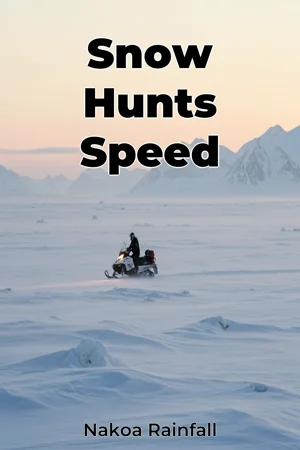
How did a machine transform a centuries-old hunting tradition and reshape Inuit society? "Snow Hunts Speed" delves into the profound impact of the snowmobile on Inuit hunting practices and community life, exploring how this seemingly simple technology revolutionized resource acquisition and social structures in the Arctic. This book examines the multifaceted consequences of snowmobile adoption, making it crucial for understanding modern Inuit history and the ongoing interplay between technology and traditional cultures. Three key interconnected topics drive the narrative: the technological innovation of the snowmobile itself, its influence on hunting efficiency and resource management, and the broader socio-cultural shifts it triggered within Inuit communities. The book addresses the historical context of Inuit hunting practices prior to the introduction of snowmobiles, emphasizing traditional skills, knowledge of the environment, and reliance on dog sleds. An understanding of this pre-snowmobile era is essential to appreciate the magnitude of the subsequent transformation. The central argument posits that while snowmobiles dramatically increased hunting efficiency and provided access to previously unreachable resources, this technological advancement also instigated significant social and economic changes, including increased dependence on wage labor for fuel and maintenance, shifts in traditional knowledge transmission, and alterations in social hierarchies. This argument challenges simplistic narratives of technological progress and emphasizes the complex and often unintended consequences of integrating new technologies into established cultural systems. "Snow Hunts Speed" is organized to systematically explore these themes. The book begins by introducing the history and mechanics of the snowmobile, tracing its adaptation for Arctic conditions. It then moves into a detailed analysis of how snowmobiles enhanced hunting efficiency by reducing travel time, expanding hunting ranges, and allowing access to more game. Concluding sections explore the cascading social and economic effects, including the increased need for cash income, the changing role of elders in transmitting traditional knowledge, and the emergence of new forms of social stratification linked to snowmobile ownership. Finally, it considers the lasting impact of altered hunting practices on wildlife populations and habitat. The book’s analysis is grounded in diverse sources, incorporating oral histories collected from Inuit hunters, archival records from trading posts and government agencies, and quantitative data on hunting yields and community demographics. It also draws upon ethnographic studies and archaeological findings to provide a well-rounded perspective. Interdisciplinary connections are vital to understanding the full scope of the snowmobile's impact. The book engages with the fields of anthropology, to analyze the social and cultural transformations; environmental studies, to assess the ecological consequences of altered hunting patterns; and technology studies, to examine the processes of technological adoption and adaptation in a remote cultural setting. This cross-disciplinary approach enriches the analysis and provides a more nuanced understanding of the complex interplay between technology, culture, and environment. A unique aspect of "Snow Hunts Speed" is its focus on the lived experiences of Inuit hunters, incorporating their voices and perspectives to offer a more authentic and human-centered account of the technological transition. It employs a narrative non-fiction approach, blending detailed historical analysis with compelling personal stories to engage a broad readership. The target audience includes students and scholars of Arctic studies, environmental history, indigenous studies, and the history of technology, as well as general readers interested in learning about the Inuit and the Arctic. It appeals because it provides a richly detailed case study of the transformative power of technology in a unique cultural context. As a work of social science and history, "Snow Hunts Speed" adheres to the rigorous standards of academic scholarship, presenting well-supported arguments and thoroughly documented evidence. The scope of the book centers primarily on the period from the mid-20th century, when snowmobiles became widely adopted, to the present day, focusing on communities across the Arctic regions of North America. It acknowledges limitations in covering all Inuit groups equally due to variations in access to resources and data. The insights in "Snow Hunts Speed" have practical applications for policymakers and community leaders working to promote sustainable resource management and cultural preservation in the Arctic. Understanding the historical impact of technology is crucial for making informed decisions about future development and ensuring the well-being of Inuit communities. The book also addresses ongoing debates about the appropriate balance between traditional hunting practices and modern technology, and about the responsibilities of governments and industries in protecting the Arctic environment. It contributes to broader conversations about cultural change, technological innovation, and the preservation of indigenous knowledge in a rapidly changing world.
How did a machine transform a centuries-old hunting tradition and reshape Inuit society? "Snow Hunts Speed" delves into the profound impact of the snowmobile on Inuit hunting practices and community life, exploring how this seemingly simple technology revolutionized resource acquisition and social structures in the Arctic. This book examines the multifaceted consequences of snowmobile adoption, making it crucial for understanding modern Inuit history and the ongoing interplay between technology and traditional cultures. Three key interconnected topics drive the narrative: the technological innovation of the snowmobile itself, its influence on hunting efficiency and resource management, and the broader socio-cultural shifts it triggered within Inuit communities. The book addresses the historical context of Inuit hunting practices prior to the introduction of snowmobiles, emphasizing traditional skills, knowledge of the environment, and reliance on dog sleds. An understanding of this pre-snowmobile era is essential to appreciate the magnitude of the subsequent transformation. The central argument posits that while snowmobiles dramatically increased hunting efficiency and provided access to previously unreachable resources, this technological advancement also instigated significant social and economic changes, including increased dependence on wage labor for fuel and maintenance, shifts in traditional knowledge transmission, and alterations in social hierarchies. This argument challenges simplistic narratives of technological progress and emphasizes the complex and often unintended consequences of integrating new technologies into established cultural systems. "Snow Hunts Speed" is organized to systematically explore these themes. The book begins by introducing the history and mechanics of the snowmobile, tracing its adaptation for Arctic conditions. It then moves into a detailed analysis of how snowmobiles enhanced hunting efficiency by reducing travel time, expanding hunting ranges, and allowing access to more game. Concluding sections explore the cascading social and economic effects, including the increased need for cash income, the changing role of elders in transmitting traditional knowledge, and the emergence of new forms of social stratification linked to snowmobile ownership. Finally, it considers the lasting impact of altered hunting practices on wildlife populations and habitat. The book’s analysis is grounded in diverse sources, incorporating oral histories collected from Inuit hunters, archival records from trading posts and government agencies, and quantitative data on hunting yields and community demographics. It also draws upon ethnographic studies and archaeological findings to provide a well-rounded perspective. Interdisciplinary connections are vital to understanding the full scope of the snowmobile's impact. The book engages with the fields of anthropology, to analyze the social and cultural transformations; environmental studies, to assess the ecological consequences of altered hunting patterns; and technology studies, to examine the processes of technological adoption and adaptation in a remote cultural setting. This cross-disciplinary approach enriches the analysis and provides a more nuanced understanding of the complex interplay between technology, culture, and environment. A unique aspect of "Snow Hunts Speed" is its focus on the lived experiences of Inuit hunters, incorporating their voices and perspectives to offer a more authentic and human-centered account of the technological transition. It employs a narrative non-fiction approach, blending detailed historical analysis with compelling personal stories to engage a broad readership. The target audience includes students and scholars of Arctic studies, environmental history, indigenous studies, and the history of technology, as well as general readers interested in learning about the Inuit and the Arctic. It appeals because it provides a richly detailed case study of the transformative power of technology in a unique cultural context. As a work of social science and history, "Snow Hunts Speed" adheres to the rigorous standards of academic scholarship, presenting well-supported arguments and thoroughly documented evidence. The scope of the book centers primarily on the period from the mid-20th century, when snowmobiles became widely adopted, to the present day, focusing on communities across the Arctic regions of North America. It acknowledges limitations in covering all Inuit groups equally due to variations in access to resources and data. The insights in "Snow Hunts Speed" have practical applications for policymakers and community leaders working to promote sustainable resource management and cultural preservation in the Arctic. Understanding the historical impact of technology is crucial for making informed decisions about future development and ensuring the well-being of Inuit communities. The book also addresses ongoing debates about the appropriate balance between traditional hunting practices and modern technology, and about the responsibilities of governments and industries in protecting the Arctic environment. It contributes to broader conversations about cultural change, technological innovation, and the preservation of indigenous knowledge in a rapidly changing world.
"Snow Hunts Speed" explores the snowmobile's transformative impact on Inuit hunting and Arctic society. This book examines how this technological innovation revolutionized Inuit life, affecting everything from resource management to social structures. Prior to snowmobiles, Inuit hunters relied on dog sleds and traditional knowledge, exhibiting remarkable skill in navigating the harsh Arctic environment. The introduction of snowmobiles dramatically increased hunting efficiency, allowing access to previously unreachable areas. However, this technological advancement instigated complex social and economic shifts. The book argues that while snowmobiles enhanced hunting, they also increased dependence on wage labor for fuel and maintenance, altering traditional knowledge transmission among elders. By incorporating oral histories and archival records, "Snow Hunts Speed" presents a nuanced perspective on the interplay between technology, culture, and environment. Organized thematically, the book first details the snowmobile's history and adaptation to Arctic conditions. It then analyzes how snowmobiles enhanced hunting efficiency. Concluding sections explore the social and economic consequences, including the changing role of elders and new social hierarchies linked to snowmobile ownership, making it a valuable resource in Arctic Studies.
Book Details
ISBN
9788235208552
Publisher
Publifye AS
Your Licenses
You don't own any licenses for this book
Purchase a license below to unlock this book and download the EPUB.
Purchase License
Select a tier to unlock this book
Need bulk licensing?
Contact us for enterprise agreements.