
About This Book
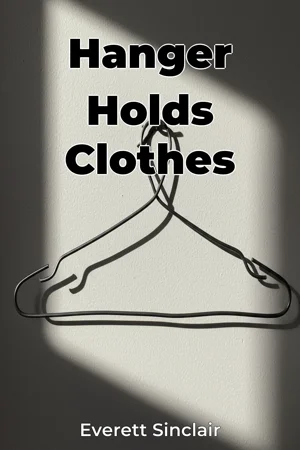
Have you ever considered the simple wire hanger, an object so ubiquitous it often goes unnoticed? *Hanger Holds Clothes* explores the fascinating history and surprisingly complex design evolution of this everyday essential, tracing its origins from a humble 1903 invention to its pervasive presence in wardrobes worldwide. This book delves into the intersection of history, general design, and specific design applications, revealing how a seemingly insignificant object reflects broader trends in manufacturing, consumer culture, and domestic organization. This book addresses the historical context surrounding the invention of the wire hanger, examining the social and economic factors that spurred its creation and rapid adoption. Understanding these factors is crucial for appreciating the hanger's profound impact on how clothing is stored and presented. Furthermore, *Hanger Holds Clothes* analyzes the hanger's design, considering the principles of functionality, ergonomics, and aesthetics that have shaped its evolution. The central argument is that the wire hanger, far from being a mere utilitarian object, embodies a complex interplay of form and function, reflecting changing societal needs and design philosophies. Its journey from a simple wire loop to the sophisticated variations available today reveals much about our relationship with clothing and the spaces we inhabit. The book begins by introducing the key figures involved in the hanger's early development, focusing on the 1903 invention as a pivotal moment. It then progresses through stages of its life, including its adoption, redesign, and impact. The central chapters will examine the evolution of hanger design through the 20th and 21st centuries, analyzing how factors such as material availability, manufacturing processes, and consumer preferences have influenced its form. Consideration is given to the historical patent filings, advertisements, and manufacturing records. The book culminates in an assessment of the hanger's contemporary relevance, exploring innovative materials and designs that address issues of sustainability and space optimization. Practical applications, such as organizing wardrobes, are highlighted throughout the book to demonstrate the hanger's enduring utility. *Hanger Holds Clothes* draws upon a range of sources, including historical patent documents, manufacturing catalogs, archival photographs, and design reviews. It also incorporates insights from material science and ergonomic studies to provide a comprehensive understanding of the hanger's design and functionality. Regarding interdisciplinary connections, the book intersects with fields such as material science (examining the properties of wire and plastics used in hanger construction), consumer behavior (analyzing how marketing and lifestyle trends influence hanger design and usage), and environmental studies (assessing the sustainability of different hanger materials and manufacturing processes). The book's approach offers a fresh perspective by treating the wire hanger not just as a functional object but as a cultural artifact that reflects broader societal trends. *Hanger Holds Clothes* is written in a clear and engaging style, making it accessible to a wide audience. The intended readership includes design enthusiasts, historians of technology, students of material culture, and anyone interested in the hidden stories behind everyday objects. The book is valuable to them as it provides insights into the often-overlooked aspects of design and consumption that shape our daily lives. As a work of non-fiction, the book adheres to the conventions of historical accuracy and thorough research, presenting a balanced and well-supported account of the hanger's evolution. The scope of *Hanger Holds Clothes* is intentionally focused on the wire hanger, allowing for an in-depth exploration of its design and history. While the book touches upon other types of hangers, its primary focus remains on this specific object, allowing a better understanding of it. By examining the wire hanger through a multidisciplinary lens, the book offers a unique and insightful perspective on the relationship between design, technology, and consumer culture.
Have you ever considered the simple wire hanger, an object so ubiquitous it often goes unnoticed? *Hanger Holds Clothes* explores the fascinating history and surprisingly complex design evolution of this everyday essential, tracing its origins from a humble 1903 invention to its pervasive presence in wardrobes worldwide. This book delves into the intersection of history, general design, and specific design applications, revealing how a seemingly insignificant object reflects broader trends in manufacturing, consumer culture, and domestic organization. This book addresses the historical context surrounding the invention of the wire hanger, examining the social and economic factors that spurred its creation and rapid adoption. Understanding these factors is crucial for appreciating the hanger's profound impact on how clothing is stored and presented. Furthermore, *Hanger Holds Clothes* analyzes the hanger's design, considering the principles of functionality, ergonomics, and aesthetics that have shaped its evolution. The central argument is that the wire hanger, far from being a mere utilitarian object, embodies a complex interplay of form and function, reflecting changing societal needs and design philosophies. Its journey from a simple wire loop to the sophisticated variations available today reveals much about our relationship with clothing and the spaces we inhabit. The book begins by introducing the key figures involved in the hanger's early development, focusing on the 1903 invention as a pivotal moment. It then progresses through stages of its life, including its adoption, redesign, and impact. The central chapters will examine the evolution of hanger design through the 20th and 21st centuries, analyzing how factors such as material availability, manufacturing processes, and consumer preferences have influenced its form. Consideration is given to the historical patent filings, advertisements, and manufacturing records. The book culminates in an assessment of the hanger's contemporary relevance, exploring innovative materials and designs that address issues of sustainability and space optimization. Practical applications, such as organizing wardrobes, are highlighted throughout the book to demonstrate the hanger's enduring utility. *Hanger Holds Clothes* draws upon a range of sources, including historical patent documents, manufacturing catalogs, archival photographs, and design reviews. It also incorporates insights from material science and ergonomic studies to provide a comprehensive understanding of the hanger's design and functionality. Regarding interdisciplinary connections, the book intersects with fields such as material science (examining the properties of wire and plastics used in hanger construction), consumer behavior (analyzing how marketing and lifestyle trends influence hanger design and usage), and environmental studies (assessing the sustainability of different hanger materials and manufacturing processes). The book's approach offers a fresh perspective by treating the wire hanger not just as a functional object but as a cultural artifact that reflects broader societal trends. *Hanger Holds Clothes* is written in a clear and engaging style, making it accessible to a wide audience. The intended readership includes design enthusiasts, historians of technology, students of material culture, and anyone interested in the hidden stories behind everyday objects. The book is valuable to them as it provides insights into the often-overlooked aspects of design and consumption that shape our daily lives. As a work of non-fiction, the book adheres to the conventions of historical accuracy and thorough research, presenting a balanced and well-supported account of the hanger's evolution. The scope of *Hanger Holds Clothes* is intentionally focused on the wire hanger, allowing for an in-depth exploration of its design and history. While the book touches upon other types of hangers, its primary focus remains on this specific object, allowing a better understanding of it. By examining the wire hanger through a multidisciplinary lens, the book offers a unique and insightful perspective on the relationship between design, technology, and consumer culture.
"Hanger Holds Clothes" unveils the surprisingly complex story behind the humble wire hanger, transforming it from an unnoticed object into a lens through which to view history, design, and consumer culture. From its 1903 invention, the hanger's design evolution reflects shifts in manufacturing, domestic organization, and even ergonomics. Initially a simple wire loop, its journey reveals how societal needs and design philosophies shape even the most utilitarian objects. The book traces the hanger's history, examining the social and economic factors that led to its widespread adoption and the impact of material culture on its design. For instance, the availability of new materials and manufacturing processes throughout the 20th and 21st centuries directly influenced hanger design. Examining historical patents, advertisements, and manufacturing records, the book progresses from the hanger's early development to its contemporary relevance, including innovations focused on sustainability and space optimization. Through an interdisciplinary approach, "Hanger Holds Clothes" presents the wire hanger as more than just a tool for clothing storage. It highlights the hanger's role as a cultural artifact, reflecting our relationship with clothing and the spaces we inhabit. By treating this everyday object as a focal point, the book provides unique insights into the intersection of design, technology, and consumerism, making it a valuable resource for design enthusiasts, historians, and anyone curious about the hidden stories behind the objects we take for granted.
Book Details
ISBN
9788235208507
Publisher
Publifye AS
Your Licenses
You don't own any licenses for this book
Purchase a license below to unlock this book and download the EPUB.
Purchase License
Select a tier to unlock this book
Need bulk licensing?
Contact us for enterprise agreements.