
About This Book
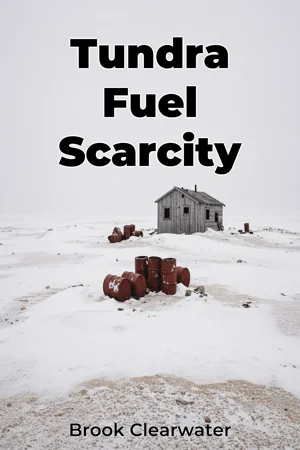
How will isolated tundra communities survive as resources dwindle and the climate changes? *Tundra Fuel Scarcity* examines the increasingly critical challenges of resource shortages and the logistical complexities of cold-weather transport in subarctic regions, blending adventure with the stark realities of Earth Sciences and Geography. These issues demand immediate attention, as they directly affect the well-being and sustainability of life in these fragile environments and hold broader implications for global resource management under pressure. This book asserts that innovative localized solutions, coupled with a deep understanding of tundra ecosystems and indigenous knowledge, are essential for mitigating the impending crisis of fuel and supply scarcity. This argument is vital because current global supply chains are proving inadequate and unsustainable in the face of climate change and geopolitical instability, particularly in regions like the tundra. The book advocates for a shift toward decentralized, resilient systems tailored to the unique challenges of this environment. To contextualize the present crisis, *Tundra Fuel Scarcity* provides a historical overview of resource extraction and transportation in tundra regions, focusing on the impact of industrial development and climate change. Readers require no prior expert knowledge, but an interest in geography, environmental science, and logistics will enhance their understanding. The book is structured into three major sections. The first section introduces the unique geographical and environmental characteristics of tundra regions, highlighting the challenges these conditions pose for resource acquisition and transport. The second section delves into the specifics of resource scarcity, analyzing the depletion of traditional fuel sources and the increasing costs and difficulties associated with importing supplies. This section presents case studies of different tundra communities and their varying levels of vulnerability. The third section explores potential solutions, examining alternative energy sources, improved cold-weather logistics, and the integration of traditional ecological knowledge. The culmination of the argument urges for immediate investment in resilient, localized solutions, emphasizing community-led initiatives and international collaboration. The evidence presented throughout *Tundra Fuel Scarcity* draws from a variety of sources, including scientific studies on climate change and resource depletion, logistical data on transportation costs and efficiency, and ethnographic research on indigenous resource management practices. Unique data sources include firsthand accounts from tundra residents and previously unpublished reports from governmental and non-governmental organizations operating in the region. The book connects to fields such as environmental economics, examining the economic implications of resource scarcity and the potential for sustainable development; political science, analyzing the role of governance and policy in resource management; and anthropology, exploring the cultural and social impacts of resource scarcity on tundra communities. These interdisciplinary connections enrich the analysis and provide a more holistic understanding of the challenges and opportunities. *Tundra Fuel Scarcity* distinguishes itself through its focus on practical, community-based solutions, and its integration of indigenous perspectives. Rather than offering broad, theoretical solutions, the book emphasizes the importance of adapting strategies to the specific environmental and social contexts of individual tundra communities. The writing style is accessible and informative, blending scientific rigor with engaging storytelling. The book is targeted toward policymakers, environmental scientists, logistics professionals, and anyone interested in the challenges of sustainable development in extreme environments. It is also useful for university courses covering geography, environmental studies, and arctic policy. While the book provides a comprehensive overview of resource scarcity and cold travel logistics in tundra regions, it focuses primarily on terrestrial transportation and energy solutions, with limited coverage of maritime transport or specific industrial processes. Practical applications of the information in this book include informing policy decisions related to resource management, guiding the development of sustainable energy solutions, and improving logistical planning for cold-weather environments. The book also provides valuable insights for communities seeking to build resilience in the face of growing environmental and economic pressures. The book addresses the ongoing debate about the role of industrial development in tundra regions, examining the trade-offs between economic growth and environmental protection. It also explores controversies surrounding the use of traditional ecological knowledge in modern resource management practices.
How will isolated tundra communities survive as resources dwindle and the climate changes? *Tundra Fuel Scarcity* examines the increasingly critical challenges of resource shortages and the logistical complexities of cold-weather transport in subarctic regions, blending adventure with the stark realities of Earth Sciences and Geography. These issues demand immediate attention, as they directly affect the well-being and sustainability of life in these fragile environments and hold broader implications for global resource management under pressure. This book asserts that innovative localized solutions, coupled with a deep understanding of tundra ecosystems and indigenous knowledge, are essential for mitigating the impending crisis of fuel and supply scarcity. This argument is vital because current global supply chains are proving inadequate and unsustainable in the face of climate change and geopolitical instability, particularly in regions like the tundra. The book advocates for a shift toward decentralized, resilient systems tailored to the unique challenges of this environment. To contextualize the present crisis, *Tundra Fuel Scarcity* provides a historical overview of resource extraction and transportation in tundra regions, focusing on the impact of industrial development and climate change. Readers require no prior expert knowledge, but an interest in geography, environmental science, and logistics will enhance their understanding. The book is structured into three major sections. The first section introduces the unique geographical and environmental characteristics of tundra regions, highlighting the challenges these conditions pose for resource acquisition and transport. The second section delves into the specifics of resource scarcity, analyzing the depletion of traditional fuel sources and the increasing costs and difficulties associated with importing supplies. This section presents case studies of different tundra communities and their varying levels of vulnerability. The third section explores potential solutions, examining alternative energy sources, improved cold-weather logistics, and the integration of traditional ecological knowledge. The culmination of the argument urges for immediate investment in resilient, localized solutions, emphasizing community-led initiatives and international collaboration. The evidence presented throughout *Tundra Fuel Scarcity* draws from a variety of sources, including scientific studies on climate change and resource depletion, logistical data on transportation costs and efficiency, and ethnographic research on indigenous resource management practices. Unique data sources include firsthand accounts from tundra residents and previously unpublished reports from governmental and non-governmental organizations operating in the region. The book connects to fields such as environmental economics, examining the economic implications of resource scarcity and the potential for sustainable development; political science, analyzing the role of governance and policy in resource management; and anthropology, exploring the cultural and social impacts of resource scarcity on tundra communities. These interdisciplinary connections enrich the analysis and provide a more holistic understanding of the challenges and opportunities. *Tundra Fuel Scarcity* distinguishes itself through its focus on practical, community-based solutions, and its integration of indigenous perspectives. Rather than offering broad, theoretical solutions, the book emphasizes the importance of adapting strategies to the specific environmental and social contexts of individual tundra communities. The writing style is accessible and informative, blending scientific rigor with engaging storytelling. The book is targeted toward policymakers, environmental scientists, logistics professionals, and anyone interested in the challenges of sustainable development in extreme environments. It is also useful for university courses covering geography, environmental studies, and arctic policy. While the book provides a comprehensive overview of resource scarcity and cold travel logistics in tundra regions, it focuses primarily on terrestrial transportation and energy solutions, with limited coverage of maritime transport or specific industrial processes. Practical applications of the information in this book include informing policy decisions related to resource management, guiding the development of sustainable energy solutions, and improving logistical planning for cold-weather environments. The book also provides valuable insights for communities seeking to build resilience in the face of growing environmental and economic pressures. The book addresses the ongoing debate about the role of industrial development in tundra regions, examining the trade-offs between economic growth and environmental protection. It also explores controversies surrounding the use of traditional ecological knowledge in modern resource management practices.
"Tundra Fuel Scarcity" explores the intensifying resource shortages and complex logistics of cold-weather transport in tundra regions, a pressing issue given climate change and geopolitical instability. It highlights the critical need for immediate action to ensure the sustainability and well-being of these fragile environments. One key insight is that current global supply chains are inadequate for these regions, necessitating localized, resilient systems. The book emphasizes the importance of understanding tundra ecosystems and incorporating indigenous knowledge for effective solutions. The book progresses through three sections: first, it introduces tundra geography and its challenges for resource acquisition; second, resource scarcity is examined through case studies, highlighting vulnerabilities; and third, potential solutions like alternative energy and improved logistics are explored. The narrative blends scientific rigor with accessible storytelling, drawing from diverse sources, including scientific studies, logistical data, and indigenous accounts. Ultimately, "Tundra Fuel Scarcity" advocates for community-led initiatives and international collaboration, distinguishing itself by focusing on practical, community-based solutions tailored to specific environmental and social contexts. It stresses adapting strategies to individual tundra communities, rather than offering broad theoretical solutions, making it a valuable resource for policymakers, environmental scientists, and anyone interested in sustainable development in extreme environments.
Book Details
ISBN
9788235208361
Publisher
Publifye AS
Your Licenses
You don't own any licenses for this book
Purchase a license below to unlock this book and download the EPUB.
Purchase License
Select a tier to unlock this book
Need bulk licensing?
Contact us for enterprise agreements.