
About This Book
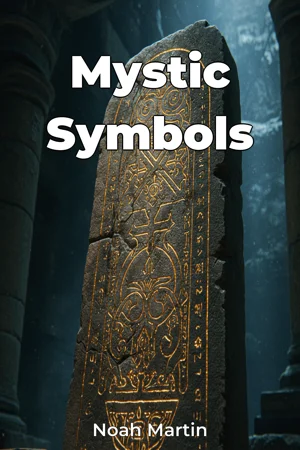
Have you ever wondered what secrets lie hidden in plain sight, encrypted within the symbols of ancient texts and mystic traditions? "Mystic Symbols" delves into the captivating world of esoteric emblems, exploring their profound influence across religion, secret societies, and magical practices throughout history. This book examines how these symbols have served as vessels of hidden knowledge, tools for spiritual transformation, and keys to unlocking deeper understanding of the human experience. We will embark on a journey through the historical context, tracing the evolution of symbolic language from ancient civilizations to modern interpretations. The significance of this exploration lies in its capacity to reveal the interconnectedness of seemingly disparate belief systems and cultural practices, highlighting the shared human quest for meaning and transcendence. The book's central argument posits that secret symbols are not merely decorative motifs but rather sophisticated communication systems designed to transmit complex ideas, initiate individuals into esoteric knowledge, and facilitate psychological and spiritual growth. Understanding these symbols provides invaluable insights into the beliefs, rituals, and worldviews of the cultures that created them. The structure of "Mystic Symbols" unfolds in a logical progression. First, the book introduces fundamental concepts of symbology, semiotics, and the psychology of symbols. It then explores the use of symbols within major religious traditions, such as Christianity, Islam, and Hinduism, analyzing specific emblems like the cross, the crescent moon, and the Om. Next, the narrative turns to secret societies, including the Freemasons, the Rosicrucians, and other hermetic orders, deciphering the symbolic language used to convey their esoteric teachings and identify members. The book then examines how these symbols are applied in magical traditions, exploring their role in alchemy, astrology, and ceremonial magic. "Mystic Symbols" culminates by providing practical applications of symbolic interpretation, empowering readers to analyze symbols they encounter in art, literature, and their own lives, fostering a deeper appreciation for the hidden dimensions of reality. The arguments presented are supported by a wealth of evidence drawn from primary source materials, including religious texts, grimoires, alchemical treatises, and historical documents. The book also incorporates insights from academic research in fields such as religious studies, art history, anthropology, and psychology. "Mystic Symbols" makes connections to several interdisciplinary fields. Firstly, it engages with psychology by exploring how symbols influence the subconscious mind and shape human perception. Secondly, it connects with art history, analyzing the visual representations of symbols across diverse cultures and time periods. Thirdly, the book intersects with anthropology, examining how symbols reflect and reinforce cultural values and social structures. This book stands out by offering a holistic and comparative approach to the study of secret symbols, moving beyond superficial interpretations to reveal their underlying meanings and functions. It avoids sensationalism, focusing instead on a grounded, academic presentation accessible to a broad audience. The tone of "Mystic Symbols" is both informative and engaging. The writing style is clear, concise, and avoids jargon, ensuring that the complex subject matter is easily understood by readers with varying levels of prior knowledge. The target audience for this book includes students of religion, history, and art history, as well as individuals interested in spirituality, esoteric traditions, and the power of symbols. It will appeal to anyone seeking a deeper understanding of the hidden meanings that shape our world. As a work within the genres of Spirituality and Religion, this book respects the diversity of belief systems while maintaining a critical and analytical perspective. "Mystic Symbols" aims to illuminate, not to proselytize. The scope of the book is intentionally broad, encompassing a wide range of religious, esoteric, and magical traditions. However, it does not delve into the specific practices or beliefs of any one tradition in exhaustive detail, focusing instead on the common threads that connect them. The information in this book can be applied practically by readers to enhance their understanding of art, literature, mythology, and their own dreams and intuitions. Finally, "Mystic Symbols" acknowledges the ongoing debates surrounding the interpretation of certain symbols and the validity of esoteric knowledge. It approaches these controversies with an open mind, presenting different perspectives and encouraging readers to form their own informed opinions.
Have you ever wondered what secrets lie hidden in plain sight, encrypted within the symbols of ancient texts and mystic traditions? "Mystic Symbols" delves into the captivating world of esoteric emblems, exploring their profound influence across religion, secret societies, and magical practices throughout history. This book examines how these symbols have served as vessels of hidden knowledge, tools for spiritual transformation, and keys to unlocking deeper understanding of the human experience. We will embark on a journey through the historical context, tracing the evolution of symbolic language from ancient civilizations to modern interpretations. The significance of this exploration lies in its capacity to reveal the interconnectedness of seemingly disparate belief systems and cultural practices, highlighting the shared human quest for meaning and transcendence. The book's central argument posits that secret symbols are not merely decorative motifs but rather sophisticated communication systems designed to transmit complex ideas, initiate individuals into esoteric knowledge, and facilitate psychological and spiritual growth. Understanding these symbols provides invaluable insights into the beliefs, rituals, and worldviews of the cultures that created them. The structure of "Mystic Symbols" unfolds in a logical progression. First, the book introduces fundamental concepts of symbology, semiotics, and the psychology of symbols. It then explores the use of symbols within major religious traditions, such as Christianity, Islam, and Hinduism, analyzing specific emblems like the cross, the crescent moon, and the Om. Next, the narrative turns to secret societies, including the Freemasons, the Rosicrucians, and other hermetic orders, deciphering the symbolic language used to convey their esoteric teachings and identify members. The book then examines how these symbols are applied in magical traditions, exploring their role in alchemy, astrology, and ceremonial magic. "Mystic Symbols" culminates by providing practical applications of symbolic interpretation, empowering readers to analyze symbols they encounter in art, literature, and their own lives, fostering a deeper appreciation for the hidden dimensions of reality. The arguments presented are supported by a wealth of evidence drawn from primary source materials, including religious texts, grimoires, alchemical treatises, and historical documents. The book also incorporates insights from academic research in fields such as religious studies, art history, anthropology, and psychology. "Mystic Symbols" makes connections to several interdisciplinary fields. Firstly, it engages with psychology by exploring how symbols influence the subconscious mind and shape human perception. Secondly, it connects with art history, analyzing the visual representations of symbols across diverse cultures and time periods. Thirdly, the book intersects with anthropology, examining how symbols reflect and reinforce cultural values and social structures. This book stands out by offering a holistic and comparative approach to the study of secret symbols, moving beyond superficial interpretations to reveal their underlying meanings and functions. It avoids sensationalism, focusing instead on a grounded, academic presentation accessible to a broad audience. The tone of "Mystic Symbols" is both informative and engaging. The writing style is clear, concise, and avoids jargon, ensuring that the complex subject matter is easily understood by readers with varying levels of prior knowledge. The target audience for this book includes students of religion, history, and art history, as well as individuals interested in spirituality, esoteric traditions, and the power of symbols. It will appeal to anyone seeking a deeper understanding of the hidden meanings that shape our world. As a work within the genres of Spirituality and Religion, this book respects the diversity of belief systems while maintaining a critical and analytical perspective. "Mystic Symbols" aims to illuminate, not to proselytize. The scope of the book is intentionally broad, encompassing a wide range of religious, esoteric, and magical traditions. However, it does not delve into the specific practices or beliefs of any one tradition in exhaustive detail, focusing instead on the common threads that connect them. The information in this book can be applied practically by readers to enhance their understanding of art, literature, mythology, and their own dreams and intuitions. Finally, "Mystic Symbols" acknowledges the ongoing debates surrounding the interpretation of certain symbols and the validity of esoteric knowledge. It approaches these controversies with an open mind, presenting different perspectives and encouraging readers to form their own informed opinions.
"Mystic Symbols" unveils the hidden world of esoteric emblems and their profound influence on religion, secret societies, and magical practices. Exploring how symbols have served as vessels of hidden knowledge, the book reveals their role in spiritual transformation and unlocking deeper understanding. Did you know that symbols aren't merely decorative motifs, but sophisticated communication systems? Or that they initiate individuals into esoteric knowledge, facilitating psychological and spiritual growth? The book begins by introducing the fundamentals of symbology and the psychology of symbols before exploring their use across major religious traditions like Christianity, Islam, and Hinduism. It then moves into secret societies such as the Freemasons and Rosicrucians, deciphering their symbolic language, and further examines the application of these symbols in magical traditions, including alchemy and astrology. "Mystic Symbols" culminates with practical applications, empowering readers to analyze symbols in art, literature, and their own lives, fostering a deeper appreciation for the hidden dimensions of reality, offering a unique and valuable holistic approach to understanding these pervasive and powerful images.
Book Details
ISBN
9788235208354
Publisher
Publifye AS
Your Licenses
You don't own any licenses for this book
Purchase a license below to unlock this book and download the EPUB.
Purchase License
Select a tier to unlock this book
Need bulk licensing?
Contact us for enterprise agreements.