
About This Book
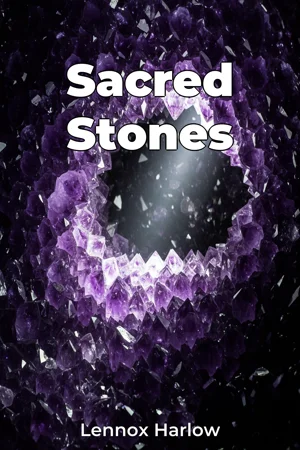
Have stones and crystals served as more than just geological formations throughout human history? "Sacred Stones" delves into the profound and enduring belief that certain stones and crystals possess spiritual energy, healing properties, and the capacity to transmit divine messages. This exploration is vital because it sheds light on the intersection of spirituality, religion, and the natural world, revealing how ancient cultures and contemporary practices alike attribute immense power to these earthly objects. This book will primarily focus on three key topics: the historical veneration of stones in various religions and spiritual traditions, the scientific basis (or lack thereof) for purported healing properties, and the role of stones as conduits for symbolic communication and divination. Understanding these facets is crucial for appreciating the multifaceted relationship between humanity and the mineral kingdom. Historically, stones have been central to religious rituals and cosmological beliefs across the globe. From the megalithic structures of Stonehenge to the use of crystals in Ayurvedic medicine and the sacred stones revered in Indigenous cultures, stones have consistently occupied a significant place in spiritual practices. We will investigate the social and cultural contexts that underpin these beliefs, examining how stones became imbued with sacred meaning. The central argument of "Sacred Stones" is that the perceived power of stones, whether based on tangible effects or symbolic association, has profoundly shaped human spirituality and continues to influence contemporary practices. This argument is important because it bridges the gap between ancient traditions and modern-day beliefs, encouraging a more nuanced understanding of how we interact with the natural world in our search for meaning and well-being. The book is structured to provide a comprehensive overview of this topic. First it introduces the fundamental concepts of stone lore and their historical origins. Secondly, it develops these ideas through focused explorations. One part will examine the use of stones in healing practices, analyzing both anecdotal evidence and scientific studies. A second part discusses how crystals are used in practices like tarot, providing insights into their symbolic roles. Finally, the book culminates in a discussion of the ethical and cultural considerations surrounding the sourcing and use of sacred stones. The evidence presented throughout "Sacred Stones" will be diverse, drawing from archaeological findings, historical texts, ethnographic studies, and scientific research on crystal structures and materials science. We will consider both qualitative accounts of spiritual experiences and quantitative data from scientific experiments, maintaining a balanced and critical approach. This book connects to various fields of study including geology, anthropology, religious studies, and psychology. Geology explains the physical formation and properties of stones, while anthropology provides insight into their cultural significance. Religious studies examines their role in spiritual practices, and psychology explores the placebo effect and cognitive biases that may influence perceptions of their power. "Sacred Stones" adopts a respectful yet critical approach, acknowledging the deeply held beliefs surrounding stones while also examining these beliefs through a scientific lens. The writing style balances academic rigor with accessibility, aiming to engage both scholars andgeneral readers. The target audience includes individuals interested in spirituality, alternative medicine, comparative religion, and the history of esoteric beliefs. This book would be valuable to them because it offers a comprehensive and nuanced exploration of a topic that is often approached with either blind faith or outright dismissal. As a work in the genres of Spirituality and Religion, the book respects the traditions it discusses while maintaining objectivity. It analyzes beliefs and practices rather than promoting any specific point of view. The scope of "Sacred Stones" is broad, encompassing a global survey of stone beliefs across cultures and time periods. However, it acknowledges the limitations of covering such a vast topic and focuses primarily on the most prominent and well-documented examples. The information in this book can be applied in several ways. Readers can gain a deeper understanding of the cultural and historical context of their own spiritual practices, make more informed decisions about the use of crystals in personal well-being, and develop a more critical perspective on the claims made about the power of stones. Finally, "Sacred Stones" addresses the ongoing debates surrounding the efficacy of crystal healing and the cultural appropriation of indigenous spiritual practices. By presenting diverse perspectives and encouraging critical thinking, this book aims to contribute to a more informed and respectful dialogue on these complex issues.
Have stones and crystals served as more than just geological formations throughout human history? "Sacred Stones" delves into the profound and enduring belief that certain stones and crystals possess spiritual energy, healing properties, and the capacity to transmit divine messages. This exploration is vital because it sheds light on the intersection of spirituality, religion, and the natural world, revealing how ancient cultures and contemporary practices alike attribute immense power to these earthly objects. This book will primarily focus on three key topics: the historical veneration of stones in various religions and spiritual traditions, the scientific basis (or lack thereof) for purported healing properties, and the role of stones as conduits for symbolic communication and divination. Understanding these facets is crucial for appreciating the multifaceted relationship between humanity and the mineral kingdom. Historically, stones have been central to religious rituals and cosmological beliefs across the globe. From the megalithic structures of Stonehenge to the use of crystals in Ayurvedic medicine and the sacred stones revered in Indigenous cultures, stones have consistently occupied a significant place in spiritual practices. We will investigate the social and cultural contexts that underpin these beliefs, examining how stones became imbued with sacred meaning. The central argument of "Sacred Stones" is that the perceived power of stones, whether based on tangible effects or symbolic association, has profoundly shaped human spirituality and continues to influence contemporary practices. This argument is important because it bridges the gap between ancient traditions and modern-day beliefs, encouraging a more nuanced understanding of how we interact with the natural world in our search for meaning and well-being. The book is structured to provide a comprehensive overview of this topic. First it introduces the fundamental concepts of stone lore and their historical origins. Secondly, it develops these ideas through focused explorations. One part will examine the use of stones in healing practices, analyzing both anecdotal evidence and scientific studies. A second part discusses how crystals are used in practices like tarot, providing insights into their symbolic roles. Finally, the book culminates in a discussion of the ethical and cultural considerations surrounding the sourcing and use of sacred stones. The evidence presented throughout "Sacred Stones" will be diverse, drawing from archaeological findings, historical texts, ethnographic studies, and scientific research on crystal structures and materials science. We will consider both qualitative accounts of spiritual experiences and quantitative data from scientific experiments, maintaining a balanced and critical approach. This book connects to various fields of study including geology, anthropology, religious studies, and psychology. Geology explains the physical formation and properties of stones, while anthropology provides insight into their cultural significance. Religious studies examines their role in spiritual practices, and psychology explores the placebo effect and cognitive biases that may influence perceptions of their power. "Sacred Stones" adopts a respectful yet critical approach, acknowledging the deeply held beliefs surrounding stones while also examining these beliefs through a scientific lens. The writing style balances academic rigor with accessibility, aiming to engage both scholars andgeneral readers. The target audience includes individuals interested in spirituality, alternative medicine, comparative religion, and the history of esoteric beliefs. This book would be valuable to them because it offers a comprehensive and nuanced exploration of a topic that is often approached with either blind faith or outright dismissal. As a work in the genres of Spirituality and Religion, the book respects the traditions it discusses while maintaining objectivity. It analyzes beliefs and practices rather than promoting any specific point of view. The scope of "Sacred Stones" is broad, encompassing a global survey of stone beliefs across cultures and time periods. However, it acknowledges the limitations of covering such a vast topic and focuses primarily on the most prominent and well-documented examples. The information in this book can be applied in several ways. Readers can gain a deeper understanding of the cultural and historical context of their own spiritual practices, make more informed decisions about the use of crystals in personal well-being, and develop a more critical perspective on the claims made about the power of stones. Finally, "Sacred Stones" addresses the ongoing debates surrounding the efficacy of crystal healing and the cultural appropriation of indigenous spiritual practices. By presenting diverse perspectives and encouraging critical thinking, this book aims to contribute to a more informed and respectful dialogue on these complex issues.
"Sacred Stones" explores the enduring human fascination with stones and crystals, examining their role in spirituality, religion, and healing practices across cultures. From ancient civilizations to modern-day crystal healing, stones have been believed to possess spiritual energy and the ability to transmit divine messages. This book investigates the historical veneration of stones, their purported healing properties, and their use in divination, offering a comprehensive look at the intersection of humanity and the mineral kingdom. The book uniquely bridges ancient traditions with modern beliefs, encouraging a nuanced understanding of our interaction with the natural world. For example, megalithic structures like Stonehenge and crystals in Ayurvedic medicine highlight the consistent significance of stones in spiritual practices. The book progresses from fundamental concepts of stone lore and their origins to focused explorations of healing practices and symbolic roles, such as in tarot. "Sacred Stones" adopts a respectful yet critical approach, balancing academic rigor with accessibility. Ultimately, this exploration sheds light on how the perceived power of stones has shaped human spirituality and continues to influence contemporary practices. The book culminates in a discussion of the ethical and cultural considerations surrounding the sourcing and use of sacred stones, analyzing beliefs and practices without promoting any specific point of view.
Book Details
ISBN
9788235208323
Publisher
Publifye AS
Your Licenses
You don't own any licenses for this book
Purchase a license below to unlock this book and download the EPUB.
Purchase License
Select a tier to unlock this book
Need bulk licensing?
Contact us for enterprise agreements.