
About This Book
Have you ever considered the intricate dance between tradition, preservation, and commerce that sustains a family legacy through something as simple as a spice? "Pepper Drying Life" delves into this very question, exploring the multifaceted world of pepper preservation and its instrumental role in the economic and cultural fabric of family spice trading businesses. This book will illuminate the journey of pepper from field to family fortune, revealing the techniques, challenges, and interconnectedness that define this age-old practice. This book focuses on three principal themes: the science and art of pepper preservation, the socio-economic dynamics of family-run spice enterprises, and the historical context shaping both. These topics are critical because they reveal how traditional methods, passed down through generations, intersect with modern economic realities, influencing livelihoods and shaping cultural identity. Understanding these elements offers insights into the resilience and adaptability of small-scale businesses in a globalized world. Historically, pepper has been a commodity of immense value, driving trade routes and influencing economies. The ability to preserve pepper effectively was crucial for its transport and storage, enabling families to participate in these lucrative markets. Socially, these businesses fostered strong kinship ties while contributing significantly to local communities. Scientifically, understanding the processes of drying, fermentation, and pest control became essential knowledge for ensuring product quality and longevity. Readers should ideally have a basic understanding of agricultural practices and rudimentary business principles to fully appreciate the nuances discussed. The central argument of "Pepper Drying Life" asserts that the sustainable preservation of pepper, coupled with astute business practices, is not merely about economic survival for family enterprises; it is a crucial act of cultural preservation, enabling the continuation of traditions and the safeguarding of specialized knowledge. This argument is significant because it challenges the often-simplistic view of globalization as purely disruptive, highlighting the ways in which traditional businesses can adapt and thrive by leveraging their unique expertise. The book's structure begins with an introduction to the history and significance of pepper in global trade. It then explores traditional and modern pepper preservation techniques, detailing drying methods, smoking, fermentation, and the use of natural preservatives. These chapters will discuss the science behind each method, assessing their effectiveness and impact on the pepper's flavor profile. Following this, the book examines the business strategies employed by successful family spice businesses, including sourcing, quality control, marketing, and distribution. Finally, it investigates the challenges faced by these enterprises, such as climate change, market competition, and evolving consumer preferences, offering potential solutions and strategies for long-term sustainability. The book will draw upon a diverse range of evidence, including historical trade records, interviews with pepper farmers and spice merchants, scientific studies on pepper preservation, and case studies of successful family-run spice businesses. Unique data sources include family archives, containing generations of accumulated knowledge about pepper cultivation and preservation, and ethnographic studies documenting the social and cultural significance of pepper in specific communities. "Pepper Drying Life" connects to several disciplines, including agricultural science (specifically food preservation), economics (small business management and trade), and anthropology (cultural preservation and family dynamics). These interdisciplinary connections enrich the book's argument by providing a holistic understanding of the factors influencing the success and sustainability of family spice businesses. This book provides new insights by combining historical analysis, scientific investigation, and on-the-ground perspectives from families deeply involved in the pepper trade. It moves beyond a purely economic analysis to consider the cultural and social dimensions of this traditional practice. The tone of the book will be informative and accessible, blending academic rigor with engaging storytelling. The writing style will be clear and concise, making complex concepts understandable to a broad audience. The target audience includes food enthusiasts, culinary professionals, entrepreneurs interested in small business management, students of agricultural science and economics, and anyone interested in the intersection of culture, commerce, and food. This book would be valuable to them because it provides a comprehensive and insightful look into a fascinating and often-overlooked aspect of the global food system. As a work in the business and cooking genres, "Pepper Drying Life" delivers practical information while also appealing to a reader's interest in culinary traditions and the stories behind the food we consume. The book aims to provide a comprehensive overview of pepper preservation and its role in family spice trade, with a focus on specific geographical regions known for their pepper production. The book does exclude an in-depth analysis of laboratory-based synthetic preservation methods. The information within can be applied practically by readers looking to start or improve their own spice business, to understand the complexities of food preservation, or to gain a deeper appreciation for the cultural significance of spices. While pepper preservation techniques have been established for a long time, debates continue regarding the impact of modern drying techniques on the pepper's flavor profile and nutritional value. The book will address these controversies by presenting different perspectives and evaluating the available evidence.
Have you ever considered the intricate dance between tradition, preservation, and commerce that sustains a family legacy through something as simple as a spice? "Pepper Drying Life" delves into this very question, exploring the multifaceted world of pepper preservation and its instrumental role in the economic and cultural fabric of family spice trading businesses. This book will illuminate the journey of pepper from field to family fortune, revealing the techniques, challenges, and interconnectedness that define this age-old practice. This book focuses on three principal themes: the science and art of pepper preservation, the socio-economic dynamics of family-run spice enterprises, and the historical context shaping both. These topics are critical because they reveal how traditional methods, passed down through generations, intersect with modern economic realities, influencing livelihoods and shaping cultural identity. Understanding these elements offers insights into the resilience and adaptability of small-scale businesses in a globalized world. Historically, pepper has been a commodity of immense value, driving trade routes and influencing economies. The ability to preserve pepper effectively was crucial for its transport and storage, enabling families to participate in these lucrative markets. Socially, these businesses fostered strong kinship ties while contributing significantly to local communities. Scientifically, understanding the processes of drying, fermentation, and pest control became essential knowledge for ensuring product quality and longevity. Readers should ideally have a basic understanding of agricultural practices and rudimentary business principles to fully appreciate the nuances discussed. The central argument of "Pepper Drying Life" asserts that the sustainable preservation of pepper, coupled with astute business practices, is not merely about economic survival for family enterprises; it is a crucial act of cultural preservation, enabling the continuation of traditions and the safeguarding of specialized knowledge. This argument is significant because it challenges the often-simplistic view of globalization as purely disruptive, highlighting the ways in which traditional businesses can adapt and thrive by leveraging their unique expertise. The book's structure begins with an introduction to the history and significance of pepper in global trade. It then explores traditional and modern pepper preservation techniques, detailing drying methods, smoking, fermentation, and the use of natural preservatives. These chapters will discuss the science behind each method, assessing their effectiveness and impact on the pepper's flavor profile. Following this, the book examines the business strategies employed by successful family spice businesses, including sourcing, quality control, marketing, and distribution. Finally, it investigates the challenges faced by these enterprises, such as climate change, market competition, and evolving consumer preferences, offering potential solutions and strategies for long-term sustainability. The book will draw upon a diverse range of evidence, including historical trade records, interviews with pepper farmers and spice merchants, scientific studies on pepper preservation, and case studies of successful family-run spice businesses. Unique data sources include family archives, containing generations of accumulated knowledge about pepper cultivation and preservation, and ethnographic studies documenting the social and cultural significance of pepper in specific communities. "Pepper Drying Life" connects to several disciplines, including agricultural science (specifically food preservation), economics (small business management and trade), and anthropology (cultural preservation and family dynamics). These interdisciplinary connections enrich the book's argument by providing a holistic understanding of the factors influencing the success and sustainability of family spice businesses. This book provides new insights by combining historical analysis, scientific investigation, and on-the-ground perspectives from families deeply involved in the pepper trade. It moves beyond a purely economic analysis to consider the cultural and social dimensions of this traditional practice. The tone of the book will be informative and accessible, blending academic rigor with engaging storytelling. The writing style will be clear and concise, making complex concepts understandable to a broad audience. The target audience includes food enthusiasts, culinary professionals, entrepreneurs interested in small business management, students of agricultural science and economics, and anyone interested in the intersection of culture, commerce, and food. This book would be valuable to them because it provides a comprehensive and insightful look into a fascinating and often-overlooked aspect of the global food system. As a work in the business and cooking genres, "Pepper Drying Life" delivers practical information while also appealing to a reader's interest in culinary traditions and the stories behind the food we consume. The book aims to provide a comprehensive overview of pepper preservation and its role in family spice trade, with a focus on specific geographical regions known for their pepper production. The book does exclude an in-depth analysis of laboratory-based synthetic preservation methods. The information within can be applied practically by readers looking to start or improve their own spice business, to understand the complexities of food preservation, or to gain a deeper appreciation for the cultural significance of spices. While pepper preservation techniques have been established for a long time, debates continue regarding the impact of modern drying techniques on the pepper's flavor profile and nutritional value. The book will address these controversies by presenting different perspectives and evaluating the available evidence.
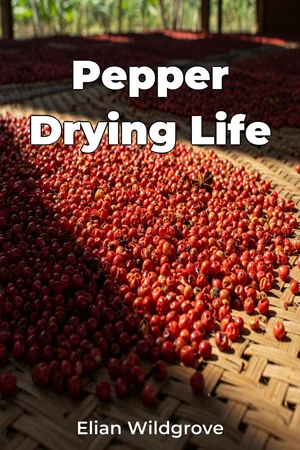
"Pepper Drying Life" explores the fascinating world of pepper preservation, revealing its crucial role in sustaining family-run spice businesses and preserving cultural heritage. The book highlights how traditional drying methods, passed down through generations, intersect with modern economic realities. Did you know that effective pepper preservation was essential for its transport and storage, influencing trade routes and economies? Or that these family businesses fostered strong kinship ties while significantly contributing to local communities? The book delves into the science and art of pepper preservation techniques, examining both traditional and modern methods, including drying, smoking, and fermentation. It also investigates the business strategies employed by successful family spice businesses, from sourcing to marketing. The book progresses from the history of pepper in global trade to the challenges these enterprises face, such as climate change and market competition, offering strategies for long-term sustainability. Ultimately, the book argues that sustainable pepper preservation, combined with smart business practices, is not just about economic survival; it's an act of cultural preservation, safeguarding traditions and specialized knowledge in the spice trade. By combining historical analysis, scientific investigation, and real-world perspectives, "Pepper Drying Life" provides a unique and insightful look into this often-overlooked aspect of the global food system.
Book Details
ISBN
9788235208279
Publisher
Publifye AS
Your Licenses
You don't own any licenses for this book
Purchase a license below to unlock this book and download the EPUB.
Purchase License
Select a tier to unlock this book
Need bulk licensing?
Contact us for enterprise agreements.