
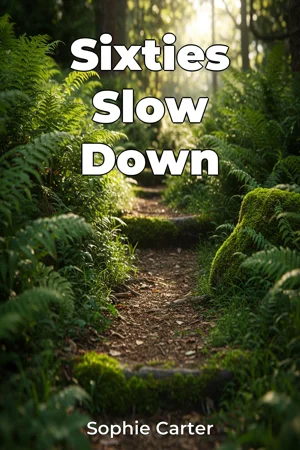
About This Book
Are we living our later years at the right pace? "Sixties Slow Down" explores the evolving science behind aging and the potential benefits of adjusting our lifestyle to align with the natural rhythms of later life. This book delves into the intersection of psychology, life sciences, and biology, offering a comprehensive examination of how pacing one's life during the sixties and beyond can profoundly impact well-being, cognitive function, and overall health. The core of "Sixties Slow Down" rests on three key pillars: the psychological impact of societal expectations on aging, the biological realities of the aging process as revealed by gerontology, and the potential advantages of consciously slowing down one's lifestyle in response to these factors. The book argues that modern society often imposes unrealistic expectations on older adults, pushing them to maintain a frenetic pace that is ultimately detrimental to their health and happiness. By understanding the biological changes inherent in aging and embracing a more deliberate lifestyle, individuals can unlock a wealth of benefits, enhancing their quality of life during these crucial years. We begin by providing a background on the historical perceptions of aging and how those perceptions have shaped societal expectations. We examine the relevant findings in gerontology that underscore the importance of rest, reduced stress, and mindful activity for optimal health in later life. The central argument of "Sixties Slow Down" posits that actively calibrating one's lifestyle to accommodate the natural slowdown of aging is not merely a matter of personal preference but a scientifically supported pathway to enhanced well-being. We challenge the prevailing notion that productivity and constant engagement are the ultimate measures of value, instead advocating for a more balanced approach that prioritizes self-care, meaningful connections, and cognitive stimulation at a sustainable pace. The book unfolds in three major parts. The first section introduces the core concepts, defining what it means to "slow down" in the context of aging and exploring the psychological barriers that prevent many individuals from adopting this approach. The second section delves into the biological underpinnings of aging, drawing on the latest research in gerontology to illuminate the physiological changes that occur during the sixties and beyond. This section presents evidence from studies on cellular aging, cognitive decline, and the impact of stress on the aging body. The third section synthesizes these insights to offer practical strategies for slowing down one's lifestyle. This includes guidance on adapting daily routines, cultivating mindful practices, fostering meaningful relationships, and engaging in activities that promote cognitive and physical health. The evidence presented throughout "Sixties Slow Down" draws from a variety of sources, including longitudinal studies on aging, clinical trials on the effects of lifestyle interventions, and qualitative research on the experiences of older adults. The research methodologies range from quantitative analyses of physiological data to qualitative interviews that capture the nuances of subjective experience. The discussion of pacing and its benefits also connects to other fields such as sociology, examining the societal pressures that often discourage older adults from slowing down. Additionally, links to economics are explored, addressing the financial implications of reduced work hours and the importance of financial planning for a slower-paced later life. "Sixties Slow Down" is written in an accessible style, avoiding jargon and technical language whenever possible. The tone is both informative and encouraging, reflecting the belief that everyone can benefit from a more mindful approach to aging. The primary audience for this book includes individuals in their sixties and beyond, as well as their families and caregivers. It is also relevant to healthcare professionals, gerontologists, and anyone interested in understanding the science of aging and promoting healthy aging practices. While the book offers a comprehensive overview of the benefits of slowing down in later life, it acknowledges certain limitations. The focus is primarily on individuals in Western societies, and the experiences of older adults from other cultural backgrounds may vary. "Sixties Slow Down" aims to provide readers with the knowledge and tools they need to make informed decisions about their own lives, empowering them to embrace aging as a time of growth, reflection, and renewed purpose. The book acknowledges the controversies around lifespan and healthspan extension, clarifying that its focus is not on artificially prolonging life but on enhancing the quality of life during the existing lifespan through mindful and deliberate lifestyle choices.
Are we living our later years at the right pace? "Sixties Slow Down" explores the evolving science behind aging and the potential benefits of adjusting our lifestyle to align with the natural rhythms of later life. This book delves into the intersection of psychology, life sciences, and biology, offering a comprehensive examination of how pacing one's life during the sixties and beyond can profoundly impact well-being, cognitive function, and overall health. The core of "Sixties Slow Down" rests on three key pillars: the psychological impact of societal expectations on aging, the biological realities of the aging process as revealed by gerontology, and the potential advantages of consciously slowing down one's lifestyle in response to these factors. The book argues that modern society often imposes unrealistic expectations on older adults, pushing them to maintain a frenetic pace that is ultimately detrimental to their health and happiness. By understanding the biological changes inherent in aging and embracing a more deliberate lifestyle, individuals can unlock a wealth of benefits, enhancing their quality of life during these crucial years. We begin by providing a background on the historical perceptions of aging and how those perceptions have shaped societal expectations. We examine the relevant findings in gerontology that underscore the importance of rest, reduced stress, and mindful activity for optimal health in later life. The central argument of "Sixties Slow Down" posits that actively calibrating one's lifestyle to accommodate the natural slowdown of aging is not merely a matter of personal preference but a scientifically supported pathway to enhanced well-being. We challenge the prevailing notion that productivity and constant engagement are the ultimate measures of value, instead advocating for a more balanced approach that prioritizes self-care, meaningful connections, and cognitive stimulation at a sustainable pace. The book unfolds in three major parts. The first section introduces the core concepts, defining what it means to "slow down" in the context of aging and exploring the psychological barriers that prevent many individuals from adopting this approach. The second section delves into the biological underpinnings of aging, drawing on the latest research in gerontology to illuminate the physiological changes that occur during the sixties and beyond. This section presents evidence from studies on cellular aging, cognitive decline, and the impact of stress on the aging body. The third section synthesizes these insights to offer practical strategies for slowing down one's lifestyle. This includes guidance on adapting daily routines, cultivating mindful practices, fostering meaningful relationships, and engaging in activities that promote cognitive and physical health. The evidence presented throughout "Sixties Slow Down" draws from a variety of sources, including longitudinal studies on aging, clinical trials on the effects of lifestyle interventions, and qualitative research on the experiences of older adults. The research methodologies range from quantitative analyses of physiological data to qualitative interviews that capture the nuances of subjective experience. The discussion of pacing and its benefits also connects to other fields such as sociology, examining the societal pressures that often discourage older adults from slowing down. Additionally, links to economics are explored, addressing the financial implications of reduced work hours and the importance of financial planning for a slower-paced later life. "Sixties Slow Down" is written in an accessible style, avoiding jargon and technical language whenever possible. The tone is both informative and encouraging, reflecting the belief that everyone can benefit from a more mindful approach to aging. The primary audience for this book includes individuals in their sixties and beyond, as well as their families and caregivers. It is also relevant to healthcare professionals, gerontologists, and anyone interested in understanding the science of aging and promoting healthy aging practices. While the book offers a comprehensive overview of the benefits of slowing down in later life, it acknowledges certain limitations. The focus is primarily on individuals in Western societies, and the experiences of older adults from other cultural backgrounds may vary. "Sixties Slow Down" aims to provide readers with the knowledge and tools they need to make informed decisions about their own lives, empowering them to embrace aging as a time of growth, reflection, and renewed purpose. The book acknowledges the controversies around lifespan and healthspan extension, clarifying that its focus is not on artificially prolonging life but on enhancing the quality of life during the existing lifespan through mindful and deliberate lifestyle choices.
"Sixties Slow Down" explores the science of aging, particularly focusing on the benefits of adjusting one's lifestyle to the natural rhythms of later life. It examines the psychological impact of societal expectations, the biological realities of aging, and the advantages of consciously slowing down. The book argues that society often pressures older adults to maintain an unsustainable pace, detrimental to their health. By understanding the changes inherent in aging, individuals can enhance their well-being and cognitive function. For instance, studies in gerontology reveal that rest and reduced stress are vital for optimal health in later life. The book's approach is comprehensive, blending psychology, life sciences, and biology to illustrate how pacing affects well-being. It unfolds in sections, first defining what "slowing down" means in the context of aging and exploring psychological barriers. It then delves into the biological underpinnings of aging, drawing on research about cellular aging and cognitive decline. Finally, it synthesizes these insights to offer practical strategies for adapting daily routines and cultivating mindful practices. By challenging the notion that constant productivity is the ultimate measure of value, "Sixties Slow Down" advocates for balance and self-care, making it valuable for those navigating later life.
Book Details
ISBN
9788235208231
Publisher
Publifye AS
Your Licenses
You don't own any licenses for this book
Purchase a license below to unlock this book and download the EPUB.
Purchase License
Select a tier to unlock this book
Need bulk licensing?
Contact us for enterprise agreements.