
About This Book
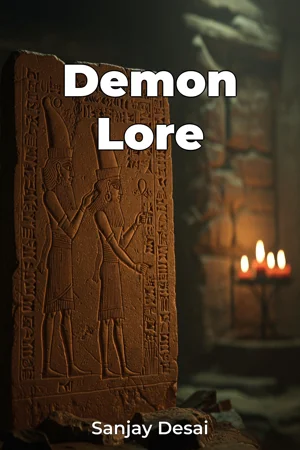
Have demons always been figures of malevolence, or have their roles and representations shifted across time and cultures? "Demon Lore" embarks on a journey to answer this question by systematically exploring the multifaceted origins, literary evolutions, and religious significances of demons. This book is important because it will provide a comprehensive analysis of demons, correcting widespread misconceptions and revealing their complex roles in shaping human history, belief systems, and artistic expressions. This exploration begins with an historical examination of the concept of demons in ancient civilizations. We will delve into Mesopotamian, Egyptian, and Greco-Roman texts to uncover the earliest understandings of these entities. This historical context is essential for understanding how later religious and literary traditions adapted and transformed these original notions. We will then trace the development of demonology through the Abrahamic religions, scrutinizing the Hebrew Bible, the New Testament, and the Quran to identify key demonic figures and their associated narratives. The central argument of "Demon Lore" is that the concept of the demon is not static but a cultural construct that reflects the fears, anxieties, and moral frameworks of diverse societies. By understanding this dynamic process, readers can gain insights into the psychology of belief, the power of storytelling, and the mechanisms of social control. The book is structured in three main parts. First, it introduces the concept and origins of demons in ancient cultures, establishing a foundation for understanding their initial roles and attributes. Second, it examines the evolving depictions of demons in literature and art, from medieval grimoires to modern-day novels and films, analyzing how societal changes influence their portrayal. Third, it analyzes the role and significance of demons within major religious traditions, focusing on their functions in theological doctrines, ritual practices, and ethical frameworks. The book culminates by exploring the enduring influence of demons on contemporary society, examining their presence in popular culture and their role in shaping modern understandings of evil. The arguments will be supported by a wide range of evidence, including primary source texts from ancient religious scriptures, medieval demonological treatises, and contemporary literary works. Scholarly analyses from diverse disciplines, such as religious studies, history, literature, and cultural anthropology, will also be incorporated. This multidisciplinary approach ensures a nuanced and comprehensive understanding of the subject matter. "Demon Lore" connects to several other fields of study, including psychology (examining the psychological projections associated with demons), sociology (analyzing the social functions of demon beliefs in maintaining order), and art history (exploring the visual representations of demons across different periods). Exploring these interdisciplinary connections enhance the understanding of how demons are not merely supernatural entities but reflections of human psychology, social dynamics, and artistic expression. This book offers a unique perspective by integrating historical, literary, and religious analyses to provide a holistic understanding of demons. This approach transcends the simplistic portrayals often found in popular culture, offering instead a nuanced and scholarly exploration of their complex origins and evolving roles. The tone is academic and rigorous, but written in a clear and accessible style suitable for both scholars and general readers. "Demon Lore" aims to provide a comprehensive, fact-based analysis, avoiding sensationalism and focusing on scholarly accuracy. The target audience includes students and scholars of religion, history, and literature, as well as general readers interested in mythology, folklore, and the history of ideas. The book will be valuable to them because it provides a comprehensive and authoritative resource on a topic that is often misrepresented or misunderstood. As a work of non-fiction in the genres of Religion and History, "Demon Lore" adheres to the conventions of academic rigor and factual accuracy. It presents a balanced and objective analysis, avoiding subjective interpretations and relying on verifiable evidence. The scope of the book is broad, covering a wide range of historical periods and cultural contexts. However, it is limited to a focus on the major religious and literary traditions of Western civilization and the ancient Near East, with less attention given to other regions of the world. The information in "Demon Lore" can be applied practically by readers to enhance their understanding of religious and cultural phenomena, to critically analyze literary and artistic works that feature demons, and to develop a more informed perspective on the nature of evil and the psychology of belief. The book addresses ongoing debates in the field regarding the interpretation of demonic figures in religious texts and the ethical implications of representing demons in popular culture. By presenting diverse perspectives and offering a nuanced analysis, "Demon Lore" aims to contribute to a more informed and constructive dialogue on these complex issues.
Have demons always been figures of malevolence, or have their roles and representations shifted across time and cultures? "Demon Lore" embarks on a journey to answer this question by systematically exploring the multifaceted origins, literary evolutions, and religious significances of demons. This book is important because it will provide a comprehensive analysis of demons, correcting widespread misconceptions and revealing their complex roles in shaping human history, belief systems, and artistic expressions. This exploration begins with an historical examination of the concept of demons in ancient civilizations. We will delve into Mesopotamian, Egyptian, and Greco-Roman texts to uncover the earliest understandings of these entities. This historical context is essential for understanding how later religious and literary traditions adapted and transformed these original notions. We will then trace the development of demonology through the Abrahamic religions, scrutinizing the Hebrew Bible, the New Testament, and the Quran to identify key demonic figures and their associated narratives. The central argument of "Demon Lore" is that the concept of the demon is not static but a cultural construct that reflects the fears, anxieties, and moral frameworks of diverse societies. By understanding this dynamic process, readers can gain insights into the psychology of belief, the power of storytelling, and the mechanisms of social control. The book is structured in three main parts. First, it introduces the concept and origins of demons in ancient cultures, establishing a foundation for understanding their initial roles and attributes. Second, it examines the evolving depictions of demons in literature and art, from medieval grimoires to modern-day novels and films, analyzing how societal changes influence their portrayal. Third, it analyzes the role and significance of demons within major religious traditions, focusing on their functions in theological doctrines, ritual practices, and ethical frameworks. The book culminates by exploring the enduring influence of demons on contemporary society, examining their presence in popular culture and their role in shaping modern understandings of evil. The arguments will be supported by a wide range of evidence, including primary source texts from ancient religious scriptures, medieval demonological treatises, and contemporary literary works. Scholarly analyses from diverse disciplines, such as religious studies, history, literature, and cultural anthropology, will also be incorporated. This multidisciplinary approach ensures a nuanced and comprehensive understanding of the subject matter. "Demon Lore" connects to several other fields of study, including psychology (examining the psychological projections associated with demons), sociology (analyzing the social functions of demon beliefs in maintaining order), and art history (exploring the visual representations of demons across different periods). Exploring these interdisciplinary connections enhance the understanding of how demons are not merely supernatural entities but reflections of human psychology, social dynamics, and artistic expression. This book offers a unique perspective by integrating historical, literary, and religious analyses to provide a holistic understanding of demons. This approach transcends the simplistic portrayals often found in popular culture, offering instead a nuanced and scholarly exploration of their complex origins and evolving roles. The tone is academic and rigorous, but written in a clear and accessible style suitable for both scholars and general readers. "Demon Lore" aims to provide a comprehensive, fact-based analysis, avoiding sensationalism and focusing on scholarly accuracy. The target audience includes students and scholars of religion, history, and literature, as well as general readers interested in mythology, folklore, and the history of ideas. The book will be valuable to them because it provides a comprehensive and authoritative resource on a topic that is often misrepresented or misunderstood. As a work of non-fiction in the genres of Religion and History, "Demon Lore" adheres to the conventions of academic rigor and factual accuracy. It presents a balanced and objective analysis, avoiding subjective interpretations and relying on verifiable evidence. The scope of the book is broad, covering a wide range of historical periods and cultural contexts. However, it is limited to a focus on the major religious and literary traditions of Western civilization and the ancient Near East, with less attention given to other regions of the world. The information in "Demon Lore" can be applied practically by readers to enhance their understanding of religious and cultural phenomena, to critically analyze literary and artistic works that feature demons, and to develop a more informed perspective on the nature of evil and the psychology of belief. The book addresses ongoing debates in the field regarding the interpretation of demonic figures in religious texts and the ethical implications of representing demons in popular culture. By presenting diverse perspectives and offering a nuanced analysis, "Demon Lore" aims to contribute to a more informed and constructive dialogue on these complex issues.
"Demon Lore" delves into the captivating history and evolving representations of demons across cultures, challenging common misconceptions. It explores how these figures, often associated with evil, have been shaped by human societies' fears, moral frameworks, and belief systems. The book traces the origins of demons from ancient civilizations, like Mesopotamia and Egypt, through their transformation in Abrahamic religions, examining key demonic figures in the Hebrew Bible, New Testament, and the Quran. The book argues that the concept of a demon is a cultural construct, revealing insights into the psychology of belief and the power of storytelling. It’s structured in three parts, beginning with the origins of demons in ancient cultures, then examining their depictions in literature and art, and finally analyzing their role within major religious traditions. By integrating historical, literary, and religious analyses, "Demon Lore" offers a unique perspective on demons, exploring their enduring influence on contemporary society and their presence in popular culture.
Book Details
ISBN
9788235208088
Publisher
Publifye AS
Your Licenses
You don't own any licenses for this book
Purchase a license below to unlock this book and download the EPUB.
Purchase License
Select a tier to unlock this book
Need bulk licensing?
Contact us for enterprise agreements.