
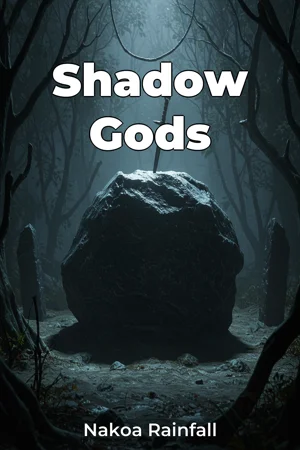
About This Book
Have you ever wondered about the gods humanity prefers not to discuss, the figures lurking in the shadows of our revered pantheons? "Shadow Gods" delves into the often-overlooked realm of darker deities, examining their pervasive influence on human fears, societal structures, and the evolution of ancient religious traditions. This book explores why these figures, representing chaos, death, and the untamed aspects of nature, are as crucial to understanding ancient belief systems as their benevolent counterparts. The central argument of "Shadow Gods" posits that understanding deities of destruction, the underworld, and transgression is essential for a complete comprehension of ancient religions. By examining these figures, we gain insight into how ancient societies grappled with universal human anxieties about death, the unknown, and the darker aspects of human nature. This argument is vital because it challenges the traditional, often sanitized, view of ancient religions, revealing the complex interplay between light and darkness in shaping human belief and behavior. This book offers a comprehensive survey of various shadow gods across different mythologies. First, we introduce relevant concepts of comparative mythology, Jungian archetypes, and the historical context of ancient religious practices. Then, the book explores three major themes. We begin with deities of death and the underworld, such as Hades, Anubis, and Ereshkigal, examining their roles in funerary rites, conceptions of the afterlife, and the psychological impact of mortality on ancient cultures. Next, we investigate deities associated with chaos and destruction, like Set, Kali, and Apophis, analyzing how they embodied societal fears of natural disasters, social upheaval, and the unknown. The book then turns to deities of transgression and the liminal, figures such as Loki, Lilith, and Hecate, who represent the breaking of social norms, the allure of forbidden knowledge, and the power of marginal spaces. The culmination of the argument ties these figures together, demonstrating how their enduring presence in mythology reflects humanity’s ongoing struggle to understand and integrate the darker aspects of existence. To support these arguments, "Shadow Gods" draws upon a wide range of evidence, including primary source texts (ancient hymns, myths, and religious treatises), archaeological findings (funerary artifacts, temple inscriptions), and secondary scholarship in religious studies, anthropology, and psychology. The book utilizes a comparative methodology, analyzing common themes and variations in the portrayal and worship of shadow gods across different cultures. "Shadow Gods" intersects with several other fields of study. It connects with psychology by examining the archetypal representations of the shadow self. It relates to anthropology through the study of ritual practices and social structures associated with these deities. The book also touches on art history, analyzing the visual representations of shadow gods in ancient art and iconography and how artistic depictions reflect cultural attitudes toward these figures. This book offers a unique perspective by focusing primarily on deities that are typically marginalized in mainstream discussions of mythology. It provides a more nuanced understanding of ancient religions by acknowledging the vital role of these darker figures. Written in a fact-based, academic yet accessible style, "Shadow Gods" aims to appeal to a broad audience, including students of religion, history enthusiasts, mythology buffs, and anyone interested in exploring the darker aspects of human belief. The book’s scope is intentionally broad, covering a wide range of cultures and time periods to demonstrate the universality of the themes explored. However, it does not delve into contemporary religions, focusing instead on ancient traditions. The information presented in "Shadow Gods" can be applied practically by examining how contemporary society continues to grapple with similar fears and anxieties reflected in these ancient myths. Understanding ancient religious practices provides valuable insights into the enduring power of symbolism and ritual in shaping human behavior. "Shadow Gods" also addresses ongoing debates within religious studies concerning the interpretation of ancient texts and the role of cultural bias in shaping our understanding of these beliefs.
Have you ever wondered about the gods humanity prefers not to discuss, the figures lurking in the shadows of our revered pantheons? "Shadow Gods" delves into the often-overlooked realm of darker deities, examining their pervasive influence on human fears, societal structures, and the evolution of ancient religious traditions. This book explores why these figures, representing chaos, death, and the untamed aspects of nature, are as crucial to understanding ancient belief systems as their benevolent counterparts. The central argument of "Shadow Gods" posits that understanding deities of destruction, the underworld, and transgression is essential for a complete comprehension of ancient religions. By examining these figures, we gain insight into how ancient societies grappled with universal human anxieties about death, the unknown, and the darker aspects of human nature. This argument is vital because it challenges the traditional, often sanitized, view of ancient religions, revealing the complex interplay between light and darkness in shaping human belief and behavior. This book offers a comprehensive survey of various shadow gods across different mythologies. First, we introduce relevant concepts of comparative mythology, Jungian archetypes, and the historical context of ancient religious practices. Then, the book explores three major themes. We begin with deities of death and the underworld, such as Hades, Anubis, and Ereshkigal, examining their roles in funerary rites, conceptions of the afterlife, and the psychological impact of mortality on ancient cultures. Next, we investigate deities associated with chaos and destruction, like Set, Kali, and Apophis, analyzing how they embodied societal fears of natural disasters, social upheaval, and the unknown. The book then turns to deities of transgression and the liminal, figures such as Loki, Lilith, and Hecate, who represent the breaking of social norms, the allure of forbidden knowledge, and the power of marginal spaces. The culmination of the argument ties these figures together, demonstrating how their enduring presence in mythology reflects humanity’s ongoing struggle to understand and integrate the darker aspects of existence. To support these arguments, "Shadow Gods" draws upon a wide range of evidence, including primary source texts (ancient hymns, myths, and religious treatises), archaeological findings (funerary artifacts, temple inscriptions), and secondary scholarship in religious studies, anthropology, and psychology. The book utilizes a comparative methodology, analyzing common themes and variations in the portrayal and worship of shadow gods across different cultures. "Shadow Gods" intersects with several other fields of study. It connects with psychology by examining the archetypal representations of the shadow self. It relates to anthropology through the study of ritual practices and social structures associated with these deities. The book also touches on art history, analyzing the visual representations of shadow gods in ancient art and iconography and how artistic depictions reflect cultural attitudes toward these figures. This book offers a unique perspective by focusing primarily on deities that are typically marginalized in mainstream discussions of mythology. It provides a more nuanced understanding of ancient religions by acknowledging the vital role of these darker figures. Written in a fact-based, academic yet accessible style, "Shadow Gods" aims to appeal to a broad audience, including students of religion, history enthusiasts, mythology buffs, and anyone interested in exploring the darker aspects of human belief. The book’s scope is intentionally broad, covering a wide range of cultures and time periods to demonstrate the universality of the themes explored. However, it does not delve into contemporary religions, focusing instead on ancient traditions. The information presented in "Shadow Gods" can be applied practically by examining how contemporary society continues to grapple with similar fears and anxieties reflected in these ancient myths. Understanding ancient religious practices provides valuable insights into the enduring power of symbolism and ritual in shaping human behavior. "Shadow Gods" also addresses ongoing debates within religious studies concerning the interpretation of ancient texts and the role of cultural bias in shaping our understanding of these beliefs.
"Shadow Gods" explores the intriguing world of dark deities and their significant influence on ancient religious traditions. It argues that understanding gods of death, chaos, and transgression is crucial for a complete picture of ancient belief systems. These figures, often representing humanity's deepest fears, reveal how ancient societies grappled with universal anxieties like death and the unknown. For example, deities like Hades and Anubis played key roles in funerary rites and conceptions of the afterlife, highlighting the psychological impact of mortality. The book examines various shadow gods across mythologies, drawing from ancient texts, archaeological findings, and scholarly research. It begins by introducing comparative mythology and historical contexts, then progresses through themes of death, chaos, and transgression. Deities such as Set and Loki are analyzed to uncover their roles in embodying societal fears and challenging social norms. This approach provides a more nuanced understanding of how ancient religions used these figures to address the darker aspects of human existence, offering a unique perspective for those interested in religion and history.
Book Details
ISBN
9788235208064
Publisher
Publifye AS
Your Licenses
You don't own any licenses for this book
Purchase a license below to unlock this book and download the EPUB.
Purchase License
Select a tier to unlock this book
Need bulk licensing?
Contact us for enterprise agreements.