
About This Book
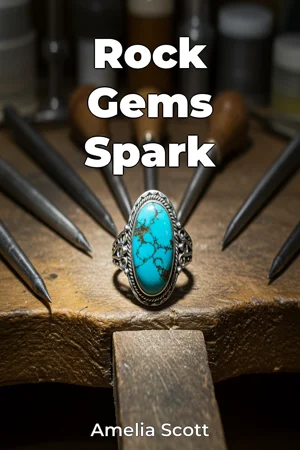
Can a single craft tradition reshape the economic landscape of an entire community? "Rock Gems Spark" delves into the fascinating story of Zuni jewelry and its pivotal role in fostering economic prosperity within the Zuni Pueblo. This book explores the intricate relationship between Zuni artistry, cultural heritage, and economic empowerment, offering a detailed examination of how a specific art form can serve as a catalyst for local wealth generation and community development. The core topics of "Rock Gems Spark" revolve around three key areas: the historical evolution of Zuni jewelry making, the economic structures that support its production and distribution, and the cultural significance of the art form within the Zuni community. Understanding these aspects is crucial for appreciating the profound impact of Zuni jewelry on the Pueblo's economy and its capacity to sustain cultural identity. To provide a comprehensive understanding, the book contextualizes Zuni jewelry within the broader history of the Zuni people, their traditions, and their interactions with the outside world. It examines the pre-Columbian roots of lapidary work in the region, the influence of Spanish colonization, and the development of unique Zuni styles. An understanding of basic economic principles, such as supply and demand and the dynamics of local economies, will enhance the reader's grasp of the economic analysis presented. The central argument of "Rock Gems Spark" is that Zuni jewelry functions not only as a form of artistic expression but also as a vital engine of economic growth and cultural preservation for the Zuni people. This argument is significant because it challenges conventional notions of art as purely aesthetic and highlights its potential as a tool for community empowerment and sustainable development. The book is structured to systematically explore this argument. It begins by introducing the history and cultural context of Zuni jewelry. Major sections then delve into the specific techniques and materials used in creating Zuni jewelry, the market forces that drive its production and sale, and the social structures that support the artisans. The book culminates by examining the long-term implications of Zuni jewelry for the community's economic future and cultural identity. "Rock Gems Spark" draws upon diverse evidence, including historical archives, ethnographic studies, economic data, and interviews with Zuni artisans and community members. It uses quantitative data on jewelry sales and income levels, alongside qualitative analysis of the cultural values embedded in the art form. The book makes interdisciplinary connections between art history, economics, and cultural anthropology. By examining Zuni jewelry through these diverse lenses, "Rock Gems Spark" provides a richer and more nuanced understanding of its significance. "Rock Gems Spark" offers a unique perspective by combining rigorous economic analysis with deep cultural sensitivity. It avoids romanticizing the narrative and instead presents a balanced account of the challenges and opportunities facing Zuni artisans in the global marketplace. The book offers insights into the complexities of cultural preservation in a modern economic context. The book adopts a fact-based, non-fiction approach, presenting information in a clear and accessible manner. While grounded in academic research, the writing style is engaging and avoids overly technical jargon. The target audience includes art enthusiasts, collectors, economists interested in community development, cultural anthropologists, and anyone interested in the intersection of art, culture, and economics. It offers valuable insights for policymakers and development practitioners seeking to promote sustainable economic growth in indigenous communities. As a work of non-fiction within the genres of art and economics, the book prioritizes accuracy, objectivity, and thorough research. It adheres to the conventions of academic rigor while aiming for accessibility and engagement. The scope of "Rock Gems Spark" focuses specifically on the economic and cultural impact of Zuni jewelry. It does not delve into other forms of Zuni art or craft traditions in detail. The information in "Rock Gems Spark" can be applied to other indigenous communities seeking to leverage their cultural assets for economic development. It offers a model for how art and cultural heritage can be harnessed to promote sustainable growth and cultural preservation. The book addresses ongoing debates about the ethical sourcing of materials used in Zuni jewelry, the appropriation of indigenous designs, and the fair distribution of economic benefits within the community.
Can a single craft tradition reshape the economic landscape of an entire community? "Rock Gems Spark" delves into the fascinating story of Zuni jewelry and its pivotal role in fostering economic prosperity within the Zuni Pueblo. This book explores the intricate relationship between Zuni artistry, cultural heritage, and economic empowerment, offering a detailed examination of how a specific art form can serve as a catalyst for local wealth generation and community development. The core topics of "Rock Gems Spark" revolve around three key areas: the historical evolution of Zuni jewelry making, the economic structures that support its production and distribution, and the cultural significance of the art form within the Zuni community. Understanding these aspects is crucial for appreciating the profound impact of Zuni jewelry on the Pueblo's economy and its capacity to sustain cultural identity. To provide a comprehensive understanding, the book contextualizes Zuni jewelry within the broader history of the Zuni people, their traditions, and their interactions with the outside world. It examines the pre-Columbian roots of lapidary work in the region, the influence of Spanish colonization, and the development of unique Zuni styles. An understanding of basic economic principles, such as supply and demand and the dynamics of local economies, will enhance the reader's grasp of the economic analysis presented. The central argument of "Rock Gems Spark" is that Zuni jewelry functions not only as a form of artistic expression but also as a vital engine of economic growth and cultural preservation for the Zuni people. This argument is significant because it challenges conventional notions of art as purely aesthetic and highlights its potential as a tool for community empowerment and sustainable development. The book is structured to systematically explore this argument. It begins by introducing the history and cultural context of Zuni jewelry. Major sections then delve into the specific techniques and materials used in creating Zuni jewelry, the market forces that drive its production and sale, and the social structures that support the artisans. The book culminates by examining the long-term implications of Zuni jewelry for the community's economic future and cultural identity. "Rock Gems Spark" draws upon diverse evidence, including historical archives, ethnographic studies, economic data, and interviews with Zuni artisans and community members. It uses quantitative data on jewelry sales and income levels, alongside qualitative analysis of the cultural values embedded in the art form. The book makes interdisciplinary connections between art history, economics, and cultural anthropology. By examining Zuni jewelry through these diverse lenses, "Rock Gems Spark" provides a richer and more nuanced understanding of its significance. "Rock Gems Spark" offers a unique perspective by combining rigorous economic analysis with deep cultural sensitivity. It avoids romanticizing the narrative and instead presents a balanced account of the challenges and opportunities facing Zuni artisans in the global marketplace. The book offers insights into the complexities of cultural preservation in a modern economic context. The book adopts a fact-based, non-fiction approach, presenting information in a clear and accessible manner. While grounded in academic research, the writing style is engaging and avoids overly technical jargon. The target audience includes art enthusiasts, collectors, economists interested in community development, cultural anthropologists, and anyone interested in the intersection of art, culture, and economics. It offers valuable insights for policymakers and development practitioners seeking to promote sustainable economic growth in indigenous communities. As a work of non-fiction within the genres of art and economics, the book prioritizes accuracy, objectivity, and thorough research. It adheres to the conventions of academic rigor while aiming for accessibility and engagement. The scope of "Rock Gems Spark" focuses specifically on the economic and cultural impact of Zuni jewelry. It does not delve into other forms of Zuni art or craft traditions in detail. The information in "Rock Gems Spark" can be applied to other indigenous communities seeking to leverage their cultural assets for economic development. It offers a model for how art and cultural heritage can be harnessed to promote sustainable growth and cultural preservation. The book addresses ongoing debates about the ethical sourcing of materials used in Zuni jewelry, the appropriation of indigenous designs, and the fair distribution of economic benefits within the community.
"Rock Gems Spark" explores the dynamic relationship between Zuni jewelry, cultural heritage, and economic development within the Zuni Pueblo. The book argues that this art form serves as a vital engine for both economic growth and cultural preservation. It examines how Zuni lapidary work, rooted in pre-Columbian traditions and shaped by interactions with the outside world, has become central to the community's financial well-being. The book offers a unique perspective by combining rigorous economic analysis with cultural sensitivity, highlighting the potential of art as a tool for economic empowerment. The book progresses systematically, starting with the history and cultural context of Zuni jewelry. It then delves into the specific techniques and materials used, the market forces that drive its production, and the social structures that support the artisans. For example, the book uses economic data to analyze jewelry sales and income levels, alongside qualitative analysis of the cultural values embedded in the art form. Ultimately, the book examines the long-term implications of Zuni jewelry for the community's economic future and cultural identity, addressing ongoing debates about ethical sourcing and the fair distribution of economic benefits.
Book Details
ISBN
9788235208057
Publisher
Publifye AS
Your Licenses
You don't own any licenses for this book
Purchase a license below to unlock this book and download the EPUB.
Purchase License
Select a tier to unlock this book
Need bulk licensing?
Contact us for enterprise agreements.