
About This Book
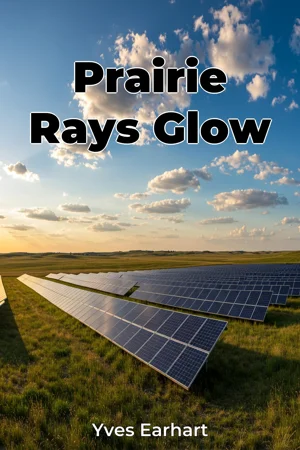
Can a shift in energy production truly empower a people and reshape their future? "Prairie Rays Glow" explores this question through an in-depth examination of solar energy initiatives on Lakota tribal lands, focusing on its potential to foster self-sufficiency, environmental stewardship, and economic development within these historically marginalized communities. This book delves into three core themes: the practical application of solar technology in remote reservation settings, the intricate interplay between energy independence and tribal sovereignty, and the environmental impact of transitioning from fossil fuels to renewable energy sources in ecologically sensitive areas. These topics are critical because they address the urgent need for sustainable energy solutions while simultaneously confronting issues of social justice and environmental equity. Understanding the challenges and successes of these projects offers valuable lessons for other indigenous communities and provides a model for broader energy transitions. The narrative unfolds against a backdrop of complex historical and social realities, including a legacy of broken treaties, systemic poverty, and limited access to essential resources such as reliable electricity. It examines the historical context of energy exploitation on tribal lands and the resulting environmental degradation. Readers will benefit from a basic understanding of renewable energy technologies and the fundamentals of tribal governance structures, though the book avoids technical jargon and provides clear explanations of essential concepts. The central argument of "Prairie Rays Glow" posits that tribally-led solar energy projects are not merely technological implementations but powerful acts of self-determination that can revitalize Lakota communities and foster a more sustainable future. This argument is vital because it reframes the energy transition narrative, placing indigenous voices and perspectives at the forefront. The book is structured in four parts. Part 1 introduces the concepts of energy sovereignty and environmental justice, outlining the historical context of energy access on Lakota lands. Part 2 details specific solar energy projects undertaken by various Lakota tribes, examining their planning, implementation, and impact. This section highlights the Lower Brule and Rosebud Sioux tribes and their distinct approaches. Part 3 analyzes the socio-economic and environmental effects of these projects, focusing on job creation, reduced energy costs, and diminished carbon footprints. Finally, Part 4 synthesizes the findings, offering a comprehensive assessment of the potential for solar energy to transform tribal communities and contribute to a more equitable energy landscape. The evidence presented in the book draws from diverse sources, including interviews with tribal leaders, energy experts, and community members; project reports and data from solar installations; and policy documents related to energy development on tribal lands. Unique data is used to identify the specific energy needs of families living on reservations, which is then compared with energy production data to quantify the positive impacts of solar production. "Prairie Rays Glow" operates at the intersection of earth sciences, geography, environmental studies, Native American studies, and economics by connecting climate science with socio-political implications. It provides a geographical context for solar energy development and analyzes the economic impacts within tribal communities. This enhances the book's argument by demonstrating the multi-faceted benefits of solar energy beyond purely environmental considerations. This book distinguishes itself by adopting a community-centered approach, prioritizing the voices and experiences of Lakota people directly involved in the energy transition. It offers a nuanced perspective on the challenges and opportunities associated with implementing renewable energy projects in marginalized communities, moving beyond simplistic narratives of technological progress. The book adopts a clear and accessible writing style, making complex topics understandable to a broad audience. It employs narrative non-fiction techniques to engage readers emotionally while maintaining a commitment to factual accuracy and academic rigor. The target audience includes students and scholars in environmental studies, Native American studies, and energy policy; policymakers interested in renewable energy development and tribal affairs; and general readers seeking to learn more about energy sovereignty and climate justice. The book will be valuable to them by offering a nuanced understanding of the challenges and opportunities associated with implementing renewable energy projects in marginalized communities. As a work of environmental non-fiction, "Prairie Rays Glow" adheres to the genre's standards by presenting factual information in a clear and engaging manner, backing up claims with evidence, and addressing complex environmental issues from multiple perspectives. The scope of the book is limited to solar endeavors on Lakota tribal lands, excluding other renewable energy sources and tribal nations. The information presented could be used by readers to advocate for policy changes that support tribal energy sovereignty, replicate successful project models in other communities, and inform investment decisions in renewable energy initiatives. The book also addresses the inherent debates surrounding energy development on tribal lands, including discussions on balancing economic development with environmental protection and navigating the complexities of tribal sovereignty in the context of federal energy policy.
Can a shift in energy production truly empower a people and reshape their future? "Prairie Rays Glow" explores this question through an in-depth examination of solar energy initiatives on Lakota tribal lands, focusing on its potential to foster self-sufficiency, environmental stewardship, and economic development within these historically marginalized communities. This book delves into three core themes: the practical application of solar technology in remote reservation settings, the intricate interplay between energy independence and tribal sovereignty, and the environmental impact of transitioning from fossil fuels to renewable energy sources in ecologically sensitive areas. These topics are critical because they address the urgent need for sustainable energy solutions while simultaneously confronting issues of social justice and environmental equity. Understanding the challenges and successes of these projects offers valuable lessons for other indigenous communities and provides a model for broader energy transitions. The narrative unfolds against a backdrop of complex historical and social realities, including a legacy of broken treaties, systemic poverty, and limited access to essential resources such as reliable electricity. It examines the historical context of energy exploitation on tribal lands and the resulting environmental degradation. Readers will benefit from a basic understanding of renewable energy technologies and the fundamentals of tribal governance structures, though the book avoids technical jargon and provides clear explanations of essential concepts. The central argument of "Prairie Rays Glow" posits that tribally-led solar energy projects are not merely technological implementations but powerful acts of self-determination that can revitalize Lakota communities and foster a more sustainable future. This argument is vital because it reframes the energy transition narrative, placing indigenous voices and perspectives at the forefront. The book is structured in four parts. Part 1 introduces the concepts of energy sovereignty and environmental justice, outlining the historical context of energy access on Lakota lands. Part 2 details specific solar energy projects undertaken by various Lakota tribes, examining their planning, implementation, and impact. This section highlights the Lower Brule and Rosebud Sioux tribes and their distinct approaches. Part 3 analyzes the socio-economic and environmental effects of these projects, focusing on job creation, reduced energy costs, and diminished carbon footprints. Finally, Part 4 synthesizes the findings, offering a comprehensive assessment of the potential for solar energy to transform tribal communities and contribute to a more equitable energy landscape. The evidence presented in the book draws from diverse sources, including interviews with tribal leaders, energy experts, and community members; project reports and data from solar installations; and policy documents related to energy development on tribal lands. Unique data is used to identify the specific energy needs of families living on reservations, which is then compared with energy production data to quantify the positive impacts of solar production. "Prairie Rays Glow" operates at the intersection of earth sciences, geography, environmental studies, Native American studies, and economics by connecting climate science with socio-political implications. It provides a geographical context for solar energy development and analyzes the economic impacts within tribal communities. This enhances the book's argument by demonstrating the multi-faceted benefits of solar energy beyond purely environmental considerations. This book distinguishes itself by adopting a community-centered approach, prioritizing the voices and experiences of Lakota people directly involved in the energy transition. It offers a nuanced perspective on the challenges and opportunities associated with implementing renewable energy projects in marginalized communities, moving beyond simplistic narratives of technological progress. The book adopts a clear and accessible writing style, making complex topics understandable to a broad audience. It employs narrative non-fiction techniques to engage readers emotionally while maintaining a commitment to factual accuracy and academic rigor. The target audience includes students and scholars in environmental studies, Native American studies, and energy policy; policymakers interested in renewable energy development and tribal affairs; and general readers seeking to learn more about energy sovereignty and climate justice. The book will be valuable to them by offering a nuanced understanding of the challenges and opportunities associated with implementing renewable energy projects in marginalized communities. As a work of environmental non-fiction, "Prairie Rays Glow" adheres to the genre's standards by presenting factual information in a clear and engaging manner, backing up claims with evidence, and addressing complex environmental issues from multiple perspectives. The scope of the book is limited to solar endeavors on Lakota tribal lands, excluding other renewable energy sources and tribal nations. The information presented could be used by readers to advocate for policy changes that support tribal energy sovereignty, replicate successful project models in other communities, and inform investment decisions in renewable energy initiatives. The book also addresses the inherent debates surrounding energy development on tribal lands, including discussions on balancing economic development with environmental protection and navigating the complexities of tribal sovereignty in the context of federal energy policy.
"Prairie Rays Glow" examines solar energy initiatives on Lakota tribal lands, highlighting their potential to drive self-sufficiency, environmental stewardship, and economic development. The book explores how these projects are not just about technology but are powerful acts of self-determination. It addresses historical injustices and the need for sustainable energy solutions in marginalized communities. Did you know that switching to solar can significantly cut energy costs for families on reservations? The book emphasizes the importance of renewable energy in ecologically sensitive areas and its role in promoting climate justice. The book takes a community-centered approach, prioritizing the voices and experiences of Lakota people. It unfolds in four parts, starting with the historical context of energy access and then detailing specific solar energy projects, like those of the Lower Brule and Rosebud Sioux tribes. It analyzes the socio-economic and environmental effects, focusing on job creation and reduced carbon footprints. This approach provides a nuanced understanding of the challenges and opportunities associated with implementing renewable energy projects. The narrative connects earth sciences with socio-political implications, providing a geographical context for solar energy development and analyzing the economic impacts within tribal communities. It emphasizes the multi-faceted benefits of solar energy, demonstrating how it can transform tribal communities and contribute to a more equitable energy landscape.
Book Details
ISBN
9788235208033
Publisher
Publifye AS
Your Licenses
You don't own any licenses for this book
Purchase a license below to unlock this book and download the EPUB.
Purchase License
Select a tier to unlock this book
Need bulk licensing?
Contact us for enterprise agreements.