
About This Book
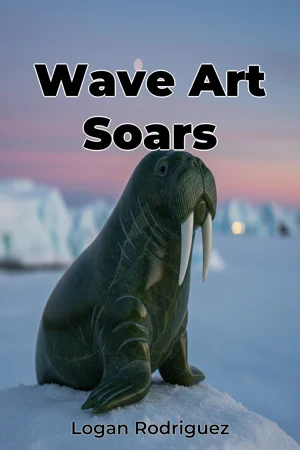
How can a culture seemingly isolated by geography and tradition exert a powerful influence on global artistic movements? "Wave Art Soars" explores the captivating journey of Inuit art, revealing its profound impact on the broader landscape of artistic expression throughout the 20th and 21st centuries. This book delves into the core aesthetic principles of Inuit art, its historical evolution, and its surprising resonance with contemporary global trends. Understanding the interplay between traditional forms and modern interpretations is critical to appreciating the depth and lasting significance of this unique art form. The book examines three main themes. First, it analyzes the fundamental characteristics of Inuit art, focusing on its deep connection to the Arctic environment, its traditional materials and techniques, and its role in Inuit culture and spirituality. Second, it traces the historical development of Inuit art, from its roots in ancient carving traditions to its emergence as a recognized artistic movement in the mid-20th century and its subsequent diversification. Third, it investigates the interactions between Inuit art and global art trends, exploring how Inuit artists have both drawn inspiration from and contributed to international artistic dialogues. To provide a rich context, "Wave Art Soars" will explore the history of the Inuit people, their relationship with the Arctic ecosystem, and the cultural transformations they have experienced, particularly during the period of increased contact with the outside world. Readers will gain an understanding of the social and economic factors that shaped the development of Inuit art, as well as the role of cooperatives and government initiatives in promoting its production and distribution. The central argument of "Wave Art Soars" suggests that Inuit art is not merely a relic of a vanishing culture, but a vibrant and evolving art form that continues to resonate with contemporary audiences. It asserts that Inuit art has made significant contributions to global art trends, particularly in its innovative use of materials, its exploration of themes related to nature and spirituality, and its ability to convey profound messages through seemingly simple forms. The book is structured in three parts. The first part introduces the history of Inuit art, from ancient artifacts to contemporary pieces. The second section highlights how artists adapted to new materials and outside influences. The final part connects Inuit art to global art trends, showing how it has influenced and been influenced by other art forms. This analysis is supported by a range of evidence, including in-depth studies of individual artworks, archival research in museum collections and historical documents, and interviews with Inuit artists and art specialists. The book also draws on anthropological research to provide insights into the cultural context of Inuit art. Primary source material, such as artist statements and exhibition catalogs, provides a direct connection to the voices and perspectives of Inuit artists themselves. "Wave Art Soars" connects to several academic fields, including anthropology, art history, and cultural studies. By examining Inuit art within these broader frameworks, the book contributes to a more nuanced and comprehensive understanding of its significance. This book offers a fresh perspective by focusing on the reciprocal relationship between Inuit artistic traditions and global art trends. It emphasizes the agency of Inuit artists in shaping their own artistic identities and in contributing to wider cultural dialogues. Written in an accessible and engaging style, "Wave Art Soars" is intended for a broad audience, including art enthusiasts, students, researchers, and anyone interested in learning more about Inuit culture and art. It offers valuable insights into the creative processes, cultural values, and historical experiences of the Inuit people. As a work of art history, "Wave Art Soars" adheres to the conventions of scholarly research and documentation, while also employing a narrative approach to engage readers and bring the stories behind the art to life. The scope of the book is limited to the modern period, focusing primarily on the development of Inuit art from the mid-20th century to the present day. It does not attempt to provide a comprehensive survey of all forms of Inuit artistic expression throughout history. The book has real-world applications for readers, including enhancing their appreciation of Inuit art, informing their engagement with Inuit culture, and promoting cross-cultural understanding. It encourages readers to consider the ethical implications of collecting and displaying Inuit art and to support the work of contemporary Inuit artists. While the recognition and appreciation of Inuit art have grown, debates persist around issues such as cultural appropriation, representation, and the role of the market in shaping artistic production. "Wave Art Soars" engages with these debates by presenting a balanced and nuanced perspective that acknowledges the complexities of the relationship between Inuit art and the wider world.
How can a culture seemingly isolated by geography and tradition exert a powerful influence on global artistic movements? "Wave Art Soars" explores the captivating journey of Inuit art, revealing its profound impact on the broader landscape of artistic expression throughout the 20th and 21st centuries. This book delves into the core aesthetic principles of Inuit art, its historical evolution, and its surprising resonance with contemporary global trends. Understanding the interplay between traditional forms and modern interpretations is critical to appreciating the depth and lasting significance of this unique art form. The book examines three main themes. First, it analyzes the fundamental characteristics of Inuit art, focusing on its deep connection to the Arctic environment, its traditional materials and techniques, and its role in Inuit culture and spirituality. Second, it traces the historical development of Inuit art, from its roots in ancient carving traditions to its emergence as a recognized artistic movement in the mid-20th century and its subsequent diversification. Third, it investigates the interactions between Inuit art and global art trends, exploring how Inuit artists have both drawn inspiration from and contributed to international artistic dialogues. To provide a rich context, "Wave Art Soars" will explore the history of the Inuit people, their relationship with the Arctic ecosystem, and the cultural transformations they have experienced, particularly during the period of increased contact with the outside world. Readers will gain an understanding of the social and economic factors that shaped the development of Inuit art, as well as the role of cooperatives and government initiatives in promoting its production and distribution. The central argument of "Wave Art Soars" suggests that Inuit art is not merely a relic of a vanishing culture, but a vibrant and evolving art form that continues to resonate with contemporary audiences. It asserts that Inuit art has made significant contributions to global art trends, particularly in its innovative use of materials, its exploration of themes related to nature and spirituality, and its ability to convey profound messages through seemingly simple forms. The book is structured in three parts. The first part introduces the history of Inuit art, from ancient artifacts to contemporary pieces. The second section highlights how artists adapted to new materials and outside influences. The final part connects Inuit art to global art trends, showing how it has influenced and been influenced by other art forms. This analysis is supported by a range of evidence, including in-depth studies of individual artworks, archival research in museum collections and historical documents, and interviews with Inuit artists and art specialists. The book also draws on anthropological research to provide insights into the cultural context of Inuit art. Primary source material, such as artist statements and exhibition catalogs, provides a direct connection to the voices and perspectives of Inuit artists themselves. "Wave Art Soars" connects to several academic fields, including anthropology, art history, and cultural studies. By examining Inuit art within these broader frameworks, the book contributes to a more nuanced and comprehensive understanding of its significance. This book offers a fresh perspective by focusing on the reciprocal relationship between Inuit artistic traditions and global art trends. It emphasizes the agency of Inuit artists in shaping their own artistic identities and in contributing to wider cultural dialogues. Written in an accessible and engaging style, "Wave Art Soars" is intended for a broad audience, including art enthusiasts, students, researchers, and anyone interested in learning more about Inuit culture and art. It offers valuable insights into the creative processes, cultural values, and historical experiences of the Inuit people. As a work of art history, "Wave Art Soars" adheres to the conventions of scholarly research and documentation, while also employing a narrative approach to engage readers and bring the stories behind the art to life. The scope of the book is limited to the modern period, focusing primarily on the development of Inuit art from the mid-20th century to the present day. It does not attempt to provide a comprehensive survey of all forms of Inuit artistic expression throughout history. The book has real-world applications for readers, including enhancing their appreciation of Inuit art, informing their engagement with Inuit culture, and promoting cross-cultural understanding. It encourages readers to consider the ethical implications of collecting and displaying Inuit art and to support the work of contemporary Inuit artists. While the recognition and appreciation of Inuit art have grown, debates persist around issues such as cultural appropriation, representation, and the role of the market in shaping artistic production. "Wave Art Soars" engages with these debates by presenting a balanced and nuanced perspective that acknowledges the complexities of the relationship between Inuit art and the wider world.
"Wave Art Soars" explores the captivating story of Inuit art, revealing its significant impact on global artistic movements. The book argues that Inuit art is not a relic but a dynamic art form that resonates with contemporary audiences. It delves into the aesthetic principles rooted in the Arctic environment, traditional techniques, and the deep connection to Inuit culture and spirituality. One intriguing fact is the innovative use of materials by Inuit artists, transforming resources like stone, bone, and ivory into powerful expressions of their world. Another insight is how Inuit art explores themes of nature and spirituality in ways that have influenced global art trends. The book traces the historical evolution of Inuit art from ancient carvings to its recognition as a distinct artistic movement in the mid-20th century. It examines the interplay between traditional forms and modern interpretations, highlighting the reciprocal relationship between Inuit artistic traditions and global trends. "Wave Art Soars" presents its information through in-depth studies of individual artworks, archival research, and interviews with Inuit artists, offering a rich context for understanding this unique art form. Structured in three parts, the book first introduces the history, then highlights artists' adaptations, and finally connects Inuit art to global art trends, enhancing the reader's appreciation of Inuit culture and art.
Book Details
ISBN
9788235207951
Publisher
Publifye AS
Your Licenses
You don't own any licenses for this book
Purchase a license below to unlock this book and download the EPUB.
Purchase License
Select a tier to unlock this book
Need bulk licensing?
Contact us for enterprise agreements.