
About This Book
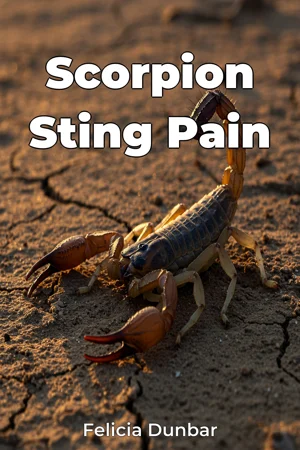
Have you ever wondered what lies beneath the sand, beyond the mirage, in the world's most unforgiving deserts? This book, *Scorpion Sting Pain*, delves into the often-overlooked but critical intersection of venomous creature encounters and medical treatment during desert treks. We will explore the effects of scorpion venom and the essential medical interventions necessary for survival when faced with these dangers. This exploration is vital for several reasons. Firstly, as recreational and professional activities in desert environments increase, so does the potential for encounters with venomous creatures. Secondly, understanding the specific mechanisms of scorpion venom is crucial for developing effective treatments, and thirdly, the practical application of this knowledge can save lives by empowering individuals with the skills and information needed to respond appropriately to envenomation. We will provide an understanding of venomous desert scorpions. It builds upon foundational knowledge of basic biology, particularly zoology and physiology. Familiarity with first aid principles will also be beneficial for understanding treatment protocols. *Scorpion Sting Pain* argues that a proactive, informed approach to understanding scorpion venom and its treatment is paramount for mitigating the risks associated with desert treks. The book's central message is providing readers with the knowledge to act as competent first responders in remote situations. The book begins by introducing the diversity of scorpion species found in desert environments and will then classify the types of venom and their effects on the human body. We then move into a discussion of current treatment methods. The core of the book comprises three major sections: (1) a detailed analysis of scorpion venom components and their physiological impacts, (2) a comprehensive review of current medical interventions and their effectiveness, and (3) practical guidelines for prevention, first aid, and evacuation protocols in desert settings. The book culminates by addressing the future directions of antivenom research and the potential for personalized treatment approaches based on individual health profiles and scorpion species. This will cover both pharmaceutical and traditional medical applications, and their interactions. The evidence presented in *Scorpion Sting Pain* is drawn from peer-reviewed scientific literature, clinical case studies, and data collected from expeditions and wilderness medicine research. Emphasis is placed on studies that utilize rigorous methodologies, such as randomized controlled trials and meta-analyses, to evaluate the effectiveness of different treatment strategies. Unique data sources include the analysis of scorpion venom samples from various desert regions, providing insights into geographical variations in venom composition and toxicity. This book connects to toxicology, wilderness medicine, and environmental science. Toxicology provides the basis for understanding venom composition, while wilderness medicine offers the practical application of treatment in remote settings. Environmental science informs the geographical distribution and ecological factors influencing scorpion populations. *Scorpion Sting Pain* emphasizes a practical, evidence-based approach to managing scorpion stings in desert environments. The information is presented in a clear, accessible style, avoiding overly technical jargon while maintaining scientific accuracy. The intended readership includes hikers, climbers, researchers, and medical professionals working in desert environments. This book equips these individuals with the knowledge and skills necessary to prevent and manage scorpion stings effectively, it is valuable because it provides a single resource for understanding the complex interplay between scorpion venom, human physiology, and medical treatment. As a fact-based book in the medical and life sciences genre, the book adheres to the standards of accuracy, objectivity, and transparency. Information is presented fairly, and claims are supported by credible evidence. The scope of *Scorpion Sting Pain* is limited to scorpion stings and their treatment. The information in this book has real-world applications for individuals traveling, working, or living in desert regions. The guidelines for prevention, first aid, and evacuation can be directly implemented to reduce the morbidity and mortality associated with scorpion envenomation. While the scientific community generally agrees on the fundamental principles of scorpion venom toxicity and treatment, there are ongoing debates regarding the optimal dosage and administration of antivenom. This book addresses these controversies by presenting a balanced perspective on the available evidence and highlighting areas where further research is needed.
Have you ever wondered what lies beneath the sand, beyond the mirage, in the world's most unforgiving deserts? This book, *Scorpion Sting Pain*, delves into the often-overlooked but critical intersection of venomous creature encounters and medical treatment during desert treks. We will explore the effects of scorpion venom and the essential medical interventions necessary for survival when faced with these dangers. This exploration is vital for several reasons. Firstly, as recreational and professional activities in desert environments increase, so does the potential for encounters with venomous creatures. Secondly, understanding the specific mechanisms of scorpion venom is crucial for developing effective treatments, and thirdly, the practical application of this knowledge can save lives by empowering individuals with the skills and information needed to respond appropriately to envenomation. We will provide an understanding of venomous desert scorpions. It builds upon foundational knowledge of basic biology, particularly zoology and physiology. Familiarity with first aid principles will also be beneficial for understanding treatment protocols. *Scorpion Sting Pain* argues that a proactive, informed approach to understanding scorpion venom and its treatment is paramount for mitigating the risks associated with desert treks. The book's central message is providing readers with the knowledge to act as competent first responders in remote situations. The book begins by introducing the diversity of scorpion species found in desert environments and will then classify the types of venom and their effects on the human body. We then move into a discussion of current treatment methods. The core of the book comprises three major sections: (1) a detailed analysis of scorpion venom components and their physiological impacts, (2) a comprehensive review of current medical interventions and their effectiveness, and (3) practical guidelines for prevention, first aid, and evacuation protocols in desert settings. The book culminates by addressing the future directions of antivenom research and the potential for personalized treatment approaches based on individual health profiles and scorpion species. This will cover both pharmaceutical and traditional medical applications, and their interactions. The evidence presented in *Scorpion Sting Pain* is drawn from peer-reviewed scientific literature, clinical case studies, and data collected from expeditions and wilderness medicine research. Emphasis is placed on studies that utilize rigorous methodologies, such as randomized controlled trials and meta-analyses, to evaluate the effectiveness of different treatment strategies. Unique data sources include the analysis of scorpion venom samples from various desert regions, providing insights into geographical variations in venom composition and toxicity. This book connects to toxicology, wilderness medicine, and environmental science. Toxicology provides the basis for understanding venom composition, while wilderness medicine offers the practical application of treatment in remote settings. Environmental science informs the geographical distribution and ecological factors influencing scorpion populations. *Scorpion Sting Pain* emphasizes a practical, evidence-based approach to managing scorpion stings in desert environments. The information is presented in a clear, accessible style, avoiding overly technical jargon while maintaining scientific accuracy. The intended readership includes hikers, climbers, researchers, and medical professionals working in desert environments. This book equips these individuals with the knowledge and skills necessary to prevent and manage scorpion stings effectively, it is valuable because it provides a single resource for understanding the complex interplay between scorpion venom, human physiology, and medical treatment. As a fact-based book in the medical and life sciences genre, the book adheres to the standards of accuracy, objectivity, and transparency. Information is presented fairly, and claims are supported by credible evidence. The scope of *Scorpion Sting Pain* is limited to scorpion stings and their treatment. The information in this book has real-world applications for individuals traveling, working, or living in desert regions. The guidelines for prevention, first aid, and evacuation can be directly implemented to reduce the morbidity and mortality associated with scorpion envenomation. While the scientific community generally agrees on the fundamental principles of scorpion venom toxicity and treatment, there are ongoing debates regarding the optimal dosage and administration of antivenom. This book addresses these controversies by presenting a balanced perspective on the available evidence and highlighting areas where further research is needed.
*Scorpion Sting Pain* explores the critical intersection of desert treks and the urgent need for effective medical treatment following scorpion stings. As recreational and professional activities increase in desert environments, so does the risk of encountering venomous creatures. The book highlights the importance of understanding scorpion venom and its effects, providing readers with the knowledge to act as competent first responders in remote situations. Effective treatments are crucial for survival, and the book emphasizes a proactive, informed approach to mitigating risks associated with desert scorpions and scorpion sting pain. The book begins by introducing the diversity of scorpion species, then classifies venom types and their effects on the human body. It progresses through analyzing venom components and their physiological impacts, reviewing current medical interventions, and providing first aid and evacuation protocols. This book emphasizes a practical, evidence-based approach to managing scorpion stings in desert environments.
Book Details
ISBN
9788235207814
Publisher
Publifye AS
Your Licenses
You don't own any licenses for this book
Purchase a license below to unlock this book and download the EPUB.
Purchase License
Select a tier to unlock this book
Need bulk licensing?
Contact us for enterprise agreements.