
About This Book
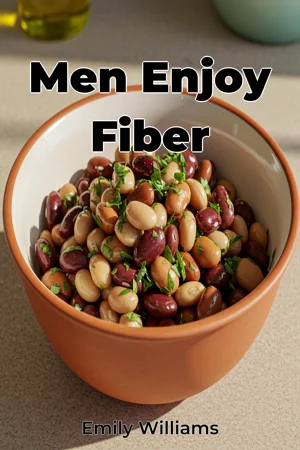
Did you know that the secret to vitality, regularly overlooked in the mid-20th century, could be found in the humble bean? "Men Enjoy Fiber" delves into the largely forgotten story of how health data from the 1960s began to reveal the crucial connection between dietary fiber, particularly from beans, and digestive health, a revelation that gradually impacted the dietary habits of men and their understanding of well-being. This book aims to resurrect this narrative, exploring the convergence of historical health trends, sociological shifts, and the science of nutrition. The central argument is that the period surrounding the 1960s represented a turning point in the recognition of fiber's importance, even if that recognition was initially slow to permeate general awareness, especially amongst men. This book will illuminate the initial health data that prompted this shift and examine the evolving cultural attitudes toward diet and health that either facilitated or hindered mainstream acceptance. The importance lies in understanding our evolving relationship with food and the slow but steady integration of scientific findings into everyday life. To provide context, the book will first explore the landscape of nutritional science and dietary habits prevalent before and during the 1960s, highlighting common misconceptions and limitations in understanding digestive health. It will then trace the emergence of epidemiological studies and clinical trials that began to pinpoint the role of fiber in preventing common digestive ailments. The book will be structured in three major parts. First, it will introduce the state of health knowledge concerning fiber prior to the 1960s. Second, it will focus on pivotal research from the era, dissecting key studies with data demonstrating beans and fiber aiding digestion, while also highlighting the role of health professionals in disseminating this developing knowledge. Third, it will culminate with an analysis into the cultural reception of this information, specifically amongst men. Evidence presented will include analysis from published research papers, dietary surveys conducted during the period, and potentially, anecdotal accounts from health professionals. The book will also tap into sociological and cultural trends of the time, using advertising and consumer data to gauge the adoption of healthier diets incorporating beans. "Men Enjoy Fiber" connects to the fields of sociology through an exploration of changing gender roles and dietary habits, to marketing through the analysis of how food products were advertised and consumed, and public health by evaluating the dissemination and impact of nutritional guidelines. This book distinguishes itself by taking a focused look at a particular historical turning point and cultural demographic (men) in the context of a broader nutritional discovery. It will be written in a style that is both accessible to the general reader and informative to those with some background in health sciences. The target audience includes readers interested in the history of health and nutrition, those seeking to understand the evolution of dietary guidelines, and anyone curious about the cultural shifts that influence our eating habits. This book will appeal due to its focus on a specific, manageable aspect of nutritional history and its exploration of the sociological factors influencing health choices. Adhering to the conventions of the 'History, Health & Fitness, Health Fitness' genres, "Men Enjoy Fiber" will maintain a fact-based approach, relying on verifiable evidence and presenting a balanced view of the evolving understanding of fiber's role in digestion. While focusing on the 1960s as a critical period, the book will acknowledge developments before and after this era to provide a comprehensive perspective. A real-world application from this book is an understanding of how data is generated, interpreted, and disseminated (or not) in the field of health. Learning from the past can help promote better nutrition in the present. The book will also touch upon potential controversies related to the limitations of early research methodologies or disagreements among researchers regarding the optimal levels of fiber intake. Addressing these controversies will offer a more nuanced and authoritative understanding of the subject.
Did you know that the secret to vitality, regularly overlooked in the mid-20th century, could be found in the humble bean? "Men Enjoy Fiber" delves into the largely forgotten story of how health data from the 1960s began to reveal the crucial connection between dietary fiber, particularly from beans, and digestive health, a revelation that gradually impacted the dietary habits of men and their understanding of well-being. This book aims to resurrect this narrative, exploring the convergence of historical health trends, sociological shifts, and the science of nutrition. The central argument is that the period surrounding the 1960s represented a turning point in the recognition of fiber's importance, even if that recognition was initially slow to permeate general awareness, especially amongst men. This book will illuminate the initial health data that prompted this shift and examine the evolving cultural attitudes toward diet and health that either facilitated or hindered mainstream acceptance. The importance lies in understanding our evolving relationship with food and the slow but steady integration of scientific findings into everyday life. To provide context, the book will first explore the landscape of nutritional science and dietary habits prevalent before and during the 1960s, highlighting common misconceptions and limitations in understanding digestive health. It will then trace the emergence of epidemiological studies and clinical trials that began to pinpoint the role of fiber in preventing common digestive ailments. The book will be structured in three major parts. First, it will introduce the state of health knowledge concerning fiber prior to the 1960s. Second, it will focus on pivotal research from the era, dissecting key studies with data demonstrating beans and fiber aiding digestion, while also highlighting the role of health professionals in disseminating this developing knowledge. Third, it will culminate with an analysis into the cultural reception of this information, specifically amongst men. Evidence presented will include analysis from published research papers, dietary surveys conducted during the period, and potentially, anecdotal accounts from health professionals. The book will also tap into sociological and cultural trends of the time, using advertising and consumer data to gauge the adoption of healthier diets incorporating beans. "Men Enjoy Fiber" connects to the fields of sociology through an exploration of changing gender roles and dietary habits, to marketing through the analysis of how food products were advertised and consumed, and public health by evaluating the dissemination and impact of nutritional guidelines. This book distinguishes itself by taking a focused look at a particular historical turning point and cultural demographic (men) in the context of a broader nutritional discovery. It will be written in a style that is both accessible to the general reader and informative to those with some background in health sciences. The target audience includes readers interested in the history of health and nutrition, those seeking to understand the evolution of dietary guidelines, and anyone curious about the cultural shifts that influence our eating habits. This book will appeal due to its focus on a specific, manageable aspect of nutritional history and its exploration of the sociological factors influencing health choices. Adhering to the conventions of the 'History, Health & Fitness, Health Fitness' genres, "Men Enjoy Fiber" will maintain a fact-based approach, relying on verifiable evidence and presenting a balanced view of the evolving understanding of fiber's role in digestion. While focusing on the 1960s as a critical period, the book will acknowledge developments before and after this era to provide a comprehensive perspective. A real-world application from this book is an understanding of how data is generated, interpreted, and disseminated (or not) in the field of health. Learning from the past can help promote better nutrition in the present. The book will also touch upon potential controversies related to the limitations of early research methodologies or disagreements among researchers regarding the optimal levels of fiber intake. Addressing these controversies will offer a more nuanced and authoritative understanding of the subject.
"Men Enjoy Fiber" explores the pivotal, yet often overlooked, shift in understanding the importance of dietary fiber, particularly from beans, for men's health and digestive well-being around the 1960s. It examines how emerging health data during this era gradually revealed fiber's crucial role, influencing dietary habits and cultural attitudes. The book uniquely focuses on this turning point, dissecting initial research and sociological factors that either promoted or hindered the acceptance of fiber-rich diets. For example, early studies began to pinpoint fiber's role in preventing common digestive ailments, but these findings were not immediately embraced by the general public. The book adopts a fact-based approach, drawing from published research, dietary surveys, and sociological trends to present a balanced view. It begins by establishing the landscape of nutritional science before the 1960s, then delves into pivotal research highlighting the benefits of fiber and beans for digestion. Finally, it culminates with an analysis of the cultural reception of this information, specifically amongst men, and their evolving understanding of health and fitness. This historical perspective offers valuable insights into how scientific findings translate into everyday life, helping readers understand our evolving relationship with food.
Book Details
ISBN
9788235207807
Publisher
Publifye AS
Your Licenses
You don't own any licenses for this book
Purchase a license below to unlock this book and download the EPUB.
Purchase License
Select a tier to unlock this book
Need bulk licensing?
Contact us for enterprise agreements.