
About This Book
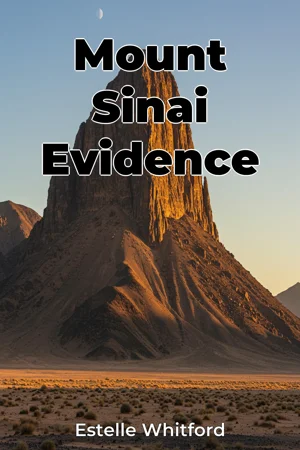
Was the Exodus a real event, and if so, can we identify physical evidence of its occurrence? This book, "Mount Sinai Evidence," investigates the possibility of locating the true Mount Sinai of the Exodus narrative described in the Bible, challenging conventional assumptions about its location and exploring potential matches based on geographical and archaeological data. It is a study that directly addresses a core question within Biblical Studies, providing a testable hypothesis using historical and geographical data. The book primarily focuses on two key areas: detailed descriptions of the Exodus account as it pertains to Mount Sinai, and geographical features of potential candidate locations in Saudi Arabia that align with these descriptions. The significance lies in its potential to offer tangible, evidence-based insights into a pivotal event in religious and world history. Understanding the Exodus is important not only for religious studies, but also for grasping the shaping of early western civilizations and their belief systems. The central argument proposes that the traditional location of Mount Sinai (Jebel Musa in the Sinai Peninsula) does not convincingly align with the biblical text and geographical considerations, and that a mountain in Saudi Arabia is a more plausible candidate. This is not just about relocating a mountain; it’s about re-evaluating the historical context and physical realities of one of the most important stories in Western culture. The book’s structure begins by laying the groundwork with an introduction to the Exodus narrative and existing theories about Mount Sinai’s location, then moving to describe the geographical criteria derived from the biblical text itself, such as size, water sources, and presence of a large plain at its base. A major portion of the work is dedicated to analyzing potential candidate mountains in Saudi Arabia, comparing their features to the Exodus descriptions. This is achieved by geographical and geological data, satellite imagery analysis, some archeological studies, and historical records. Finally, the book culminates with a presentation of the peak which most closely aligns with the Exodus criteria, and discusses the implications of this evidence for our understanding of the Exodus event. The evidence presented includes geographical analyses of potential locations, comparisons to the biblical text, and examination of any archaeological findings in the region that could date back to the period of the Exodus. The methodology is rooted in careful textual analysis of the Bible combined with a critical exploration of regional geography and recorded history. This research connects to fields beyond Biblical Studies, crossing into World History by considering the broader historical and cultural context of the Exodus story, including its impact on the development of monotheistic religions and early civilizations. It also touches on Geography, using geographical data and mapping technologies to analyze potential locations of Mount Sinai and its relation to the Exodus. These interdisciplinary connections enrich the exploration, offering a more holistic view of the topic. The approach involves directly comparing the specific textual details of the Exodus narrative to the physical attributes of potential locations in a systematic and evidence-based manner. This method stands out by not relying solely upon tradition or religious belief, but attempting to ground the Exodus story in verifiable geographical and historical data. The target audience is broad, encompassing those interested in Biblical Studies, World History, and the historical relationship between religious texts and physical reality. It fills a gap for readers seeking factual exploration of the Exodus narrative beyond solely religious or theological interpretations. Given the genres of Biblical Studies General, World History, and History World, the book is mindful of appealing to a diverse readership while also adhering to standards of academic rigor. The book’s scope primarily focuses on scrutinizing the geographical and textual evidence related to the location of Mount Sinai. While it touches on broader historical and theological questions, it intentionally limits its scope to the specific issue of geographical identification. The real-world application of this research lies in its capacity to challenge and expand our understanding of core historical and religious narratives. The debate surrounding the location of Mount Sinai is ongoing, with differing opinions held by scholars and religious groups. This book aims to contribute to the discussion by presenting a robust case for exploring alternative locations and providing a framework for future research.
Was the Exodus a real event, and if so, can we identify physical evidence of its occurrence? This book, "Mount Sinai Evidence," investigates the possibility of locating the true Mount Sinai of the Exodus narrative described in the Bible, challenging conventional assumptions about its location and exploring potential matches based on geographical and archaeological data. It is a study that directly addresses a core question within Biblical Studies, providing a testable hypothesis using historical and geographical data. The book primarily focuses on two key areas: detailed descriptions of the Exodus account as it pertains to Mount Sinai, and geographical features of potential candidate locations in Saudi Arabia that align with these descriptions. The significance lies in its potential to offer tangible, evidence-based insights into a pivotal event in religious and world history. Understanding the Exodus is important not only for religious studies, but also for grasping the shaping of early western civilizations and their belief systems. The central argument proposes that the traditional location of Mount Sinai (Jebel Musa in the Sinai Peninsula) does not convincingly align with the biblical text and geographical considerations, and that a mountain in Saudi Arabia is a more plausible candidate. This is not just about relocating a mountain; it’s about re-evaluating the historical context and physical realities of one of the most important stories in Western culture. The book’s structure begins by laying the groundwork with an introduction to the Exodus narrative and existing theories about Mount Sinai’s location, then moving to describe the geographical criteria derived from the biblical text itself, such as size, water sources, and presence of a large plain at its base. A major portion of the work is dedicated to analyzing potential candidate mountains in Saudi Arabia, comparing their features to the Exodus descriptions. This is achieved by geographical and geological data, satellite imagery analysis, some archeological studies, and historical records. Finally, the book culminates with a presentation of the peak which most closely aligns with the Exodus criteria, and discusses the implications of this evidence for our understanding of the Exodus event. The evidence presented includes geographical analyses of potential locations, comparisons to the biblical text, and examination of any archaeological findings in the region that could date back to the period of the Exodus. The methodology is rooted in careful textual analysis of the Bible combined with a critical exploration of regional geography and recorded history. This research connects to fields beyond Biblical Studies, crossing into World History by considering the broader historical and cultural context of the Exodus story, including its impact on the development of monotheistic religions and early civilizations. It also touches on Geography, using geographical data and mapping technologies to analyze potential locations of Mount Sinai and its relation to the Exodus. These interdisciplinary connections enrich the exploration, offering a more holistic view of the topic. The approach involves directly comparing the specific textual details of the Exodus narrative to the physical attributes of potential locations in a systematic and evidence-based manner. This method stands out by not relying solely upon tradition or religious belief, but attempting to ground the Exodus story in verifiable geographical and historical data. The target audience is broad, encompassing those interested in Biblical Studies, World History, and the historical relationship between religious texts and physical reality. It fills a gap for readers seeking factual exploration of the Exodus narrative beyond solely religious or theological interpretations. Given the genres of Biblical Studies General, World History, and History World, the book is mindful of appealing to a diverse readership while also adhering to standards of academic rigor. The book’s scope primarily focuses on scrutinizing the geographical and textual evidence related to the location of Mount Sinai. While it touches on broader historical and theological questions, it intentionally limits its scope to the specific issue of geographical identification. The real-world application of this research lies in its capacity to challenge and expand our understanding of core historical and religious narratives. The debate surrounding the location of Mount Sinai is ongoing, with differing opinions held by scholars and religious groups. This book aims to contribute to the discussion by presenting a robust case for exploring alternative locations and providing a framework for future research.
"Mount Sinai Evidence" delves into the age-old question of whether the Exodus was a real event and if so, where the true Mount Sinai is located. Challenging the traditional belief that Jebel Musa in the Sinai Peninsula is the sacred mountain, the book explores geographical and archaeological data to propose an alternative location in Saudi Arabia. The study highlights the importance of understanding the Exodus not only for religious studies but also for grasping the shaping of early Western civilizations and their belief systems. The book systematically compares the Exodus narrative with the physical attributes of potential locations, focusing on geographical criteria derived from the biblical text, such as the presence of a large plain at its base and accessible water sources. This approach allows readers to re-evaluate the historical context of the Exodus, moving beyond tradition to explore verifiable geographical and historical data. It begins by introducing the Exodus narrative and existing theories, then analyzes candidate mountains in Saudi Arabia using geological data and satellite imagery, culminating in a presentation of the peak that most closely aligns with the Exodus criteria. By connecting Biblical Studies with World History, "Mount Sinai Evidence" offers a unique perspective appealing to a broad audience interested in the historical relationship between religious texts and physical reality. The book contributes to the ongoing debate surrounding the location of Mount Sinai, presenting a robust case for exploring alternative locations and providing a framework for future research in this intersection of religious history and historical geography.
Book Details
ISBN
9788235207746
Publisher
Publifye AS
Your Licenses
You don't own any licenses for this book
Purchase a license below to unlock this book and download the EPUB.
Purchase License
Select a tier to unlock this book
Need bulk licensing?
Contact us for enterprise agreements.