
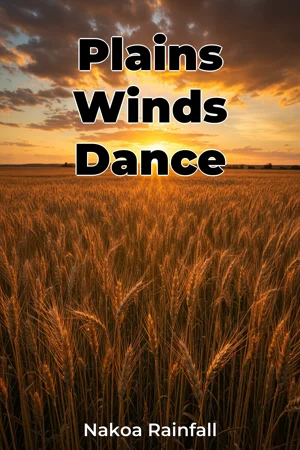
About This Book
Did you know that for centuries, the Plains tribes were not solely nomadic hunters, but also cultivated a deep connection with the land through agriculture? "Plains Winds Dance" delves into the complex interplay between farming practices and deeply rooted traditions among the Plains tribes, revealing a nuanced understanding of their history and societal structure. This exploration is crucial because it challenges conventional narratives that often oversimplify the lives and cultures of these indigenous communities, perpetuating incomplete and sometimes inaccurate portrayals. This book explores three fundamental themes. First, it examines the agricultural techniques employed by various Plains tribes, detailing the types of crops grown, the methods of cultivation, and the significance these crops held within their societies. Second, it investigates how these farming practices were interwoven with their spiritual beliefs, social structures, and seasonal rituals, highlighting the symbiosis between their agricultural pursuits and cultural identities. Third, it analyzes the historical forces, including intertribal relations, trade, and the impact of European colonization, that shaped and transformed their agricultural practices and overall way of life. Understanding the history of the Plains tribes requires acknowledging the environmental context they inhabited, a region characterized by vast grasslands, seasonal variations, and limited water resources in certain areas. Prior knowledge of basic anthropological concepts, such as cultural adaptation and social organization, would enhance the reader's comprehension, though the book offers sufficient background information. "Plains Winds Dance" posits that the agricultural practices of the Plains tribes were not merely a means of subsistence, but a central element in their cultural identity and resilience. This argument is vital because it challenges the dominant historical narrative that often casts indigenous peoples as passive recipients of historical change, instead highlighting their agency and adaptability in the face of environmental and social pressures. The book is structured to provide a comprehensive overview of the topic. The introduction establishes the historical and geographical context of the Plains tribes, outlining their diverse cultures and the prevailing misconceptions about their lifestyles. The subsequent sections detail their agricultural practices, including specific crop cultivation techniques and irrigation systems, as well as the cultural significance of agriculture within their societies. Furthermore, the book analyzes the impact of intertribal dynamics and European contact and trade on the Plains tribes' agriculture and social structures. The concluding chapter synthesizes the findings and discusses the long-term implications of these historical interactions on the contemporary lives of Plains indigenous communities. The research presented in "Plains Winds Dance" draws upon a variety of sources, including archaeological evidence, ethnobotanical studies, early European explorers' accounts, and, most importantly, oral histories collected from contemporary members of Plains tribes. The use of oral histories provides unique and invaluable insights into the lived experiences and perspectives of the people whose history is being examined. This study benefits from interdisciplinary connections to fields such as anthropology, environmental history, and Native American studies. Anthropology provides the theoretical frameworks for understanding cultural adaptation and social organization. Environmental history offers insights into the relationship between humans and their environment. Native American studies provides a critical lens for analyzing historical narratives and challenging colonial perspectives. These connections strengthen the book's argument by providing a more holistic and nuanced understanding of the Plains tribes’ history. "Plains Winds Dance" offers a unique perspective by highlighting the agency and adaptability of the Plains tribes in shaping their own history, particularly in relation to agriculture. It also sheds light on the cultural significance of farming practices, challenging the common perception of these tribes as solely nomadic hunters. The tone and writing style is academic, yet accessible, aiming to engage a broad readership without sacrificing scholarly rigor. The intended audience includes students and scholars in history, anthropology, and Native American studies, as well as anyone interested in learning more about the history and cultures of the Plains tribes. This book would be valuable to them because it offers a comprehensive and nuanced understanding of a frequently misunderstood aspect of their history. As a work of social science and history, the book adheres to standards of evidence-based analysis and objective interpretation. The scope of "Plains Winds Dance" is intentionally limited to the agricultural practices of the Plains tribes and their cultural implications. This focus allows for a more in-depth examination of this specific aspect of their history. The information presented in the book has real-world applications by providing a more accurate and nuanced understanding of the history and cultures of the Plains tribes, which can inform contemporary discussions about Native American sovereignty, cultural preservation, and environmental stewardship. The book also addresses ongoing debates about the accuracy of historical narratives and the representation of indigenous peoples.
Did you know that for centuries, the Plains tribes were not solely nomadic hunters, but also cultivated a deep connection with the land through agriculture? "Plains Winds Dance" delves into the complex interplay between farming practices and deeply rooted traditions among the Plains tribes, revealing a nuanced understanding of their history and societal structure. This exploration is crucial because it challenges conventional narratives that often oversimplify the lives and cultures of these indigenous communities, perpetuating incomplete and sometimes inaccurate portrayals. This book explores three fundamental themes. First, it examines the agricultural techniques employed by various Plains tribes, detailing the types of crops grown, the methods of cultivation, and the significance these crops held within their societies. Second, it investigates how these farming practices were interwoven with their spiritual beliefs, social structures, and seasonal rituals, highlighting the symbiosis between their agricultural pursuits and cultural identities. Third, it analyzes the historical forces, including intertribal relations, trade, and the impact of European colonization, that shaped and transformed their agricultural practices and overall way of life. Understanding the history of the Plains tribes requires acknowledging the environmental context they inhabited, a region characterized by vast grasslands, seasonal variations, and limited water resources in certain areas. Prior knowledge of basic anthropological concepts, such as cultural adaptation and social organization, would enhance the reader's comprehension, though the book offers sufficient background information. "Plains Winds Dance" posits that the agricultural practices of the Plains tribes were not merely a means of subsistence, but a central element in their cultural identity and resilience. This argument is vital because it challenges the dominant historical narrative that often casts indigenous peoples as passive recipients of historical change, instead highlighting their agency and adaptability in the face of environmental and social pressures. The book is structured to provide a comprehensive overview of the topic. The introduction establishes the historical and geographical context of the Plains tribes, outlining their diverse cultures and the prevailing misconceptions about their lifestyles. The subsequent sections detail their agricultural practices, including specific crop cultivation techniques and irrigation systems, as well as the cultural significance of agriculture within their societies. Furthermore, the book analyzes the impact of intertribal dynamics and European contact and trade on the Plains tribes' agriculture and social structures. The concluding chapter synthesizes the findings and discusses the long-term implications of these historical interactions on the contemporary lives of Plains indigenous communities. The research presented in "Plains Winds Dance" draws upon a variety of sources, including archaeological evidence, ethnobotanical studies, early European explorers' accounts, and, most importantly, oral histories collected from contemporary members of Plains tribes. The use of oral histories provides unique and invaluable insights into the lived experiences and perspectives of the people whose history is being examined. This study benefits from interdisciplinary connections to fields such as anthropology, environmental history, and Native American studies. Anthropology provides the theoretical frameworks for understanding cultural adaptation and social organization. Environmental history offers insights into the relationship between humans and their environment. Native American studies provides a critical lens for analyzing historical narratives and challenging colonial perspectives. These connections strengthen the book's argument by providing a more holistic and nuanced understanding of the Plains tribes’ history. "Plains Winds Dance" offers a unique perspective by highlighting the agency and adaptability of the Plains tribes in shaping their own history, particularly in relation to agriculture. It also sheds light on the cultural significance of farming practices, challenging the common perception of these tribes as solely nomadic hunters. The tone and writing style is academic, yet accessible, aiming to engage a broad readership without sacrificing scholarly rigor. The intended audience includes students and scholars in history, anthropology, and Native American studies, as well as anyone interested in learning more about the history and cultures of the Plains tribes. This book would be valuable to them because it offers a comprehensive and nuanced understanding of a frequently misunderstood aspect of their history. As a work of social science and history, the book adheres to standards of evidence-based analysis and objective interpretation. The scope of "Plains Winds Dance" is intentionally limited to the agricultural practices of the Plains tribes and their cultural implications. This focus allows for a more in-depth examination of this specific aspect of their history. The information presented in the book has real-world applications by providing a more accurate and nuanced understanding of the history and cultures of the Plains tribes, which can inform contemporary discussions about Native American sovereignty, cultural preservation, and environmental stewardship. The book also addresses ongoing debates about the accuracy of historical narratives and the representation of indigenous peoples.
"Plains Winds Dance" challenges conventional understandings of Plains tribes by exploring their sophisticated agricultural practices and their importance to cultural identity. Far from being solely nomadic hunters, these indigenous communities skillfully cultivated crops, integrating farming into their spiritual beliefs and social structures. For example, specific crop cultivation techniques were often tied to seasonal rituals, demonstrating the deep connection between the environment and their way of life. The book examines how historical forces, including intertribal relations and European contact, shaped these farming practices. Oral histories, archaeological evidence, and ethnobotanical studies are interwoven to present a nuanced historical narrative. The book progresses by first establishing the geographical and cultural context of the Plains tribes, then detailing their agricultural methods and the cultural significance of farming, and finally analyzing the impact of historical interactions. The book's unique value lies in highlighting the agency and adaptability of the Plains Indians, offering a more accurate and comprehensive understanding of their history.
Book Details
ISBN
9788235207722
Publisher
Publifye AS
Your Licenses
You don't own any licenses for this book
Purchase a license below to unlock this book and download the EPUB.
Purchase License
Select a tier to unlock this book
Need bulk licensing?
Contact us for enterprise agreements.