
About This Book
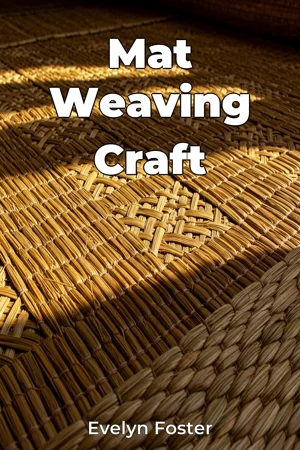
Have you ever considered the humble mat beneath your feet as a testament to human ingenuity and resourcefulness? "Mat Weaving Craft" explores the intricate art of crafting mats from reeds, a practice deeply embedded in traditional homes and cultures worldwide. This book delves into the design, techniques, and cultural significance of reed mat-making, offering a comprehensive guide for both craft enthusiasts and those interested in sustainable design practices. The book addresses key areas: the selection and preparation of reeds, various weaving techniques, and the integration of these mats into traditional home environments. Understanding these elements is crucial, as they highlight the intersection of functionality, aesthetics, and environmental consciousness in traditional crafts. The book also traces the historical roots of mat-making, showcasing how this craft evolved across different societies and time periods, often reflecting local climates, available resources, and cultural values. At its core, "Mat Weaving Craft" argues for the continued relevance of traditional crafts in a modern world increasingly dominated by mass-produced goods. It proposes that the knowledge and skills associated with mat-making represent a valuable heritage, offering sustainable and aesthetically pleasing alternatives to contemporary flooring and furnishing options. The book's structure first introduces the botanical characteristics of reeds suitable for mat-making and details the harvesting and curing processes necessary to prepare them. It then moves on to explore diverse weaving techniques, ranging from simple plaiting to complex patterned designs, with step-by-step instructions and visual aids. A dedicated section examines the role of reed mats in traditional homes, focusing on their thermal properties, their use in creating comfortable living spaces, and their cultural symbolism. The book culminates with a discussion on the potential for adapting traditional mat-making techniques to contemporary design, including eco-friendly and sustainable applications. The arguments presented are supported by a combination of historical research, ethnographic studies, and practical demonstrations. The book draws upon archival records, interviews with artisans, and analyses of extant examples of reed mats from various regions. It also incorporates original photography and diagrams to illustrate weaving techniques and design principles. "Mat Weaving Craft" connects to several other fields, including botany, anthropology, and sustainable design. The botanical aspects of reed cultivation and harvesting relate to agricultural practices and environmental conservation. The anthropological dimension explores the social and cultural contexts in which mat-making traditions have flourished. The link to sustainable design highlights the potential for eco-friendly materials and practices in contemporary architecture and interior design. A unique aspect of this book is its emphasis on practical application. Beyond theoretical discussions, it provides readers with the knowledge and skills necessary to create their own reed mats, fostering a hands-on engagement with traditional craft practices. The tone throughout is informative and accessible, aiming to demystify complex techniques and inspire readers to experiment with this versatile craft. The target audience includes craft enthusiasts, design students, architects interested in sustainable materials, and individuals seeking to connect with traditional cultures and practices. This book is valuable to them because it provides a comprehensive and practical guide to a time-honored craft, promoting creativity, sustainability, and cultural awareness. As a design and crafts book, "Mat Weaving Craft" adheres to the conventions of providing clear instructions, visual aids, and historical context. It also aligns with the broader genre of design literature by exploring the aesthetic and functional properties of its subject matter. The scope of the book is limited to reed mats, focusing on their use in traditional homes and their potential for contemporary adaptation. It does not delve into the broader category of woven floor coverings made from other materials. The information in "Mat Weaving Craft" can be applied practically by readers to create their own mats for personal use or as part of larger design projects. It also offers insights into sustainable building practices and the cultural significance of traditional crafts. While mat-making itself is not typically a subject of significant controversy, the book indirectly addresses debates surrounding the role of traditional crafts in a globalized world and the importance of preserving cultural heritage.
Have you ever considered the humble mat beneath your feet as a testament to human ingenuity and resourcefulness? "Mat Weaving Craft" explores the intricate art of crafting mats from reeds, a practice deeply embedded in traditional homes and cultures worldwide. This book delves into the design, techniques, and cultural significance of reed mat-making, offering a comprehensive guide for both craft enthusiasts and those interested in sustainable design practices. The book addresses key areas: the selection and preparation of reeds, various weaving techniques, and the integration of these mats into traditional home environments. Understanding these elements is crucial, as they highlight the intersection of functionality, aesthetics, and environmental consciousness in traditional crafts. The book also traces the historical roots of mat-making, showcasing how this craft evolved across different societies and time periods, often reflecting local climates, available resources, and cultural values. At its core, "Mat Weaving Craft" argues for the continued relevance of traditional crafts in a modern world increasingly dominated by mass-produced goods. It proposes that the knowledge and skills associated with mat-making represent a valuable heritage, offering sustainable and aesthetically pleasing alternatives to contemporary flooring and furnishing options. The book's structure first introduces the botanical characteristics of reeds suitable for mat-making and details the harvesting and curing processes necessary to prepare them. It then moves on to explore diverse weaving techniques, ranging from simple plaiting to complex patterned designs, with step-by-step instructions and visual aids. A dedicated section examines the role of reed mats in traditional homes, focusing on their thermal properties, their use in creating comfortable living spaces, and their cultural symbolism. The book culminates with a discussion on the potential for adapting traditional mat-making techniques to contemporary design, including eco-friendly and sustainable applications. The arguments presented are supported by a combination of historical research, ethnographic studies, and practical demonstrations. The book draws upon archival records, interviews with artisans, and analyses of extant examples of reed mats from various regions. It also incorporates original photography and diagrams to illustrate weaving techniques and design principles. "Mat Weaving Craft" connects to several other fields, including botany, anthropology, and sustainable design. The botanical aspects of reed cultivation and harvesting relate to agricultural practices and environmental conservation. The anthropological dimension explores the social and cultural contexts in which mat-making traditions have flourished. The link to sustainable design highlights the potential for eco-friendly materials and practices in contemporary architecture and interior design. A unique aspect of this book is its emphasis on practical application. Beyond theoretical discussions, it provides readers with the knowledge and skills necessary to create their own reed mats, fostering a hands-on engagement with traditional craft practices. The tone throughout is informative and accessible, aiming to demystify complex techniques and inspire readers to experiment with this versatile craft. The target audience includes craft enthusiasts, design students, architects interested in sustainable materials, and individuals seeking to connect with traditional cultures and practices. This book is valuable to them because it provides a comprehensive and practical guide to a time-honored craft, promoting creativity, sustainability, and cultural awareness. As a design and crafts book, "Mat Weaving Craft" adheres to the conventions of providing clear instructions, visual aids, and historical context. It also aligns with the broader genre of design literature by exploring the aesthetic and functional properties of its subject matter. The scope of the book is limited to reed mats, focusing on their use in traditional homes and their potential for contemporary adaptation. It does not delve into the broader category of woven floor coverings made from other materials. The information in "Mat Weaving Craft" can be applied practically by readers to create their own mats for personal use or as part of larger design projects. It also offers insights into sustainable building practices and the cultural significance of traditional crafts. While mat-making itself is not typically a subject of significant controversy, the book indirectly addresses debates surrounding the role of traditional crafts in a globalized world and the importance of preserving cultural heritage.
"Mat Weaving Craft" explores the age-old tradition of crafting mats from reeds, emphasizing its cultural significance and sustainable design aspects. This book offers a comprehensive guide to understanding and practicing this unique craft. Reed mats showcase ingenuity and resourcefulness, with historical roots reflecting diverse local climates and cultural values. The book uniquely emphasizes practical application, providing readers with the knowledge to create their own reed mats. Beginning with reed selection and preparation, it progresses through various weaving techniques, enhanced by visual aids, before examining the mats' role in traditional homes. It highlights their thermal properties and cultural symbolism. The book champions the relevance of traditional crafts in a modern world. This exploration of mat weaving connects to fields like botany, anthropology, and sustainable design, providing a deep dive into eco-friendly materials and practices. It moves from harvesting reeds to complex patterned designs, culminating in adapting these techniques for contemporary design.
Book Details
ISBN
9788235207661
Publisher
Publifye AS
Your Licenses
You don't own any licenses for this book
Purchase a license below to unlock this book and download the EPUB.
Purchase License
Select a tier to unlock this book
Need bulk licensing?
Contact us for enterprise agreements.