
About This Book
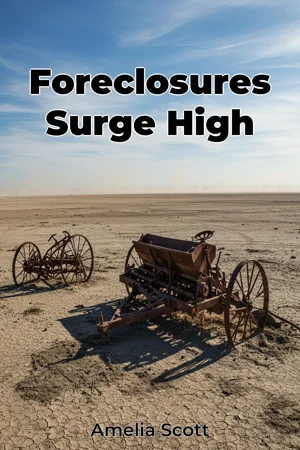
Can the past offer lessons to navigate present economic storms? "Foreclosures Surge High" delves into the heart of the Great Depression, specifically examining the devastating wave of farm and home foreclosures that reached its zenith in 1933, a period marking the deepest economic distress in American history. This book explores the confluence of economic policies, environmental factors, and social conditions that led to this crisis, offering vital insights for understanding contemporary economic vulnerabilities. The book primarily focuses on three key interconnected topics: the economic policies leading up to and during the Depression, the environmental impact of the Dust Bowl, and the human impact of mass foreclosures. The analysis of economic policies, including monetary policy and international trade, is crucial to understand the government's role in both exacerbating and attempting to alleviate the crisis. The environmental catastrophe of the Dust Bowl serves as a reminder of the fragility of agricultural systems and the potential for ecological disasters to amplify economic hardship. Finally, understanding the human cost of foreclosures provides a necessary and sobering perspective on the social consequences of economic downturns. To fully appreciate the crisis, the book provides a historical context stretching from the post-World War I economic boom through the stock market crash of 1929 and the subsequent slide into depression. Readers will gain an understanding of the prevailing economic theories of the time, the agricultural practices that contributed to the Dust Bowl, and the legal framework surrounding property ownership and foreclosure. The central argument of "Foreclosures Surge High" is that the convergence of flawed economic policies, environmental degradation, and inadequate social safety nets created a perfect storm leading to unprecedented levels of farm and home foreclosures. The book argues that understanding this historical episode is critical for developing more robust and resilient economic systems today. The book is structured in three major sections. The first part introduces the economic landscape of the 1920s, detailing the policy decisions and market behaviors that set the stage for the crash. The second section examines the environmental crisis of the Dust Bowl, analyzing its causes and its devastating effects on agricultural communities. The third section focuses on the foreclosure crisis itself, examining the legal and social processes involved, the government's response, and the long-term consequences for affected families and communities. The conclusion draws parallels between the economic challenges of the 1930s and contemporary economic vulnerabilities, offering policy recommendations aimed at preventing similar crises in the future. "Foreclosures Surge High" relies on a variety of sources to support its arguments. These include government documents from the period, such as Congressional records and reports from the Department of Agriculture; statistical data on farm income, land values, and foreclosure rates; first-person accounts from farmers and homeowners affected by the crisis; and contemporary newspaper and magazine articles. The analysis also incorporates recent research in economics, environmental history, and social history. The book connects to several other fields of study. It connects to environmental science by exploring the causes and consequences of the Dust Bowl. It connects to sociology by examining the social impact of mass foreclosures and the breakdown of communities. Finally, it connects to political science by analyzing the government's response to the crisis and the political debates surrounding economic policy. This book offers a fresh perspective by integrating economic, environmental, and social factors into a comprehensive analysis of the foreclosure crisis. It moves beyond purely economic explanations to consider the complex interplay of forces that shaped this pivotal moment in American history. The writing style is intended to be accessible to a broad audience while maintaining scholarly rigor. The book avoids technical jargon and presents complex economic concepts in a clear and understandable manner. The intended audience includes students of economics, history, and environmental studies, as well as policymakers, community leaders, and anyone interested in understanding the causes and consequences of economic crises. As a work of economic history, the book adheres to the conventions of scholarly research, including careful documentation of sources, rigorous analysis of data, and balanced presentation of different perspectives. While the book focuses on the United States during the Great Depression, it does not attempt to provide a comprehensive account of the global economic crisis of the 1930s. Its scope is limited to the specific challenges faced by American farmers and homeowners. The lessons learned from the foreclosure crisis of the 1930s have practical applications for today. By understanding the factors that contributed to the crisis, we can develop more effective policies to prevent future economic downturns, protect vulnerable populations, and promote sustainable economic development. There are ongoing debates among historians and economists about the causes of the Great Depression and the effectiveness of the New Deal policies. This book engages with these debates, offering its own interpretation of the evidence and its own recommendations for policy reform.
Can the past offer lessons to navigate present economic storms? "Foreclosures Surge High" delves into the heart of the Great Depression, specifically examining the devastating wave of farm and home foreclosures that reached its zenith in 1933, a period marking the deepest economic distress in American history. This book explores the confluence of economic policies, environmental factors, and social conditions that led to this crisis, offering vital insights for understanding contemporary economic vulnerabilities. The book primarily focuses on three key interconnected topics: the economic policies leading up to and during the Depression, the environmental impact of the Dust Bowl, and the human impact of mass foreclosures. The analysis of economic policies, including monetary policy and international trade, is crucial to understand the government's role in both exacerbating and attempting to alleviate the crisis. The environmental catastrophe of the Dust Bowl serves as a reminder of the fragility of agricultural systems and the potential for ecological disasters to amplify economic hardship. Finally, understanding the human cost of foreclosures provides a necessary and sobering perspective on the social consequences of economic downturns. To fully appreciate the crisis, the book provides a historical context stretching from the post-World War I economic boom through the stock market crash of 1929 and the subsequent slide into depression. Readers will gain an understanding of the prevailing economic theories of the time, the agricultural practices that contributed to the Dust Bowl, and the legal framework surrounding property ownership and foreclosure. The central argument of "Foreclosures Surge High" is that the convergence of flawed economic policies, environmental degradation, and inadequate social safety nets created a perfect storm leading to unprecedented levels of farm and home foreclosures. The book argues that understanding this historical episode is critical for developing more robust and resilient economic systems today. The book is structured in three major sections. The first part introduces the economic landscape of the 1920s, detailing the policy decisions and market behaviors that set the stage for the crash. The second section examines the environmental crisis of the Dust Bowl, analyzing its causes and its devastating effects on agricultural communities. The third section focuses on the foreclosure crisis itself, examining the legal and social processes involved, the government's response, and the long-term consequences for affected families and communities. The conclusion draws parallels between the economic challenges of the 1930s and contemporary economic vulnerabilities, offering policy recommendations aimed at preventing similar crises in the future. "Foreclosures Surge High" relies on a variety of sources to support its arguments. These include government documents from the period, such as Congressional records and reports from the Department of Agriculture; statistical data on farm income, land values, and foreclosure rates; first-person accounts from farmers and homeowners affected by the crisis; and contemporary newspaper and magazine articles. The analysis also incorporates recent research in economics, environmental history, and social history. The book connects to several other fields of study. It connects to environmental science by exploring the causes and consequences of the Dust Bowl. It connects to sociology by examining the social impact of mass foreclosures and the breakdown of communities. Finally, it connects to political science by analyzing the government's response to the crisis and the political debates surrounding economic policy. This book offers a fresh perspective by integrating economic, environmental, and social factors into a comprehensive analysis of the foreclosure crisis. It moves beyond purely economic explanations to consider the complex interplay of forces that shaped this pivotal moment in American history. The writing style is intended to be accessible to a broad audience while maintaining scholarly rigor. The book avoids technical jargon and presents complex economic concepts in a clear and understandable manner. The intended audience includes students of economics, history, and environmental studies, as well as policymakers, community leaders, and anyone interested in understanding the causes and consequences of economic crises. As a work of economic history, the book adheres to the conventions of scholarly research, including careful documentation of sources, rigorous analysis of data, and balanced presentation of different perspectives. While the book focuses on the United States during the Great Depression, it does not attempt to provide a comprehensive account of the global economic crisis of the 1930s. Its scope is limited to the specific challenges faced by American farmers and homeowners. The lessons learned from the foreclosure crisis of the 1930s have practical applications for today. By understanding the factors that contributed to the crisis, we can develop more effective policies to prevent future economic downturns, protect vulnerable populations, and promote sustainable economic development. There are ongoing debates among historians and economists about the causes of the Great Depression and the effectiveness of the New Deal policies. This book engages with these debates, offering its own interpretation of the evidence and its own recommendations for policy reform.
"Foreclosures Surge High" examines the confluence of economic, environmental, and social factors that triggered the devastating wave of farm and home foreclosures during the Great Depression, peaking in 1933. This period, marking the deepest economic distress in American history, offers crucial lessons for understanding contemporary economic vulnerabilities. The book uniquely integrates the analysis of flawed economic policies, like those concerning monetary policy and international trade, with the environmental catastrophe of the Dust Bowl and the human cost of mass foreclosures. By understanding the convergence of these elements, readers gain insights into how inadequate social safety nets exacerbated the crisis. The book progresses through three major sections, starting with the economic landscape of the 1920s and the policies setting the stage for the crash. It then explores the Dust Bowl's causes and effects on agricultural communities, before focusing on the foreclosure crisis itself, including the legal processes, governmental responses, and long-term consequences. A key argument is that the events of the 1930s highlight the need for robust and resilient economic systems. The study of 1933 reveals that the crisis was not solely an economic issue but a complex interplay of factors, including ecological disasters and policy decisions.
Book Details
ISBN
9788235207647
Publisher
Publifye AS
Your Licenses
You don't own any licenses for this book
Purchase a license below to unlock this book and download the EPUB.
Purchase License
Select a tier to unlock this book
Need bulk licensing?
Contact us for enterprise agreements.